


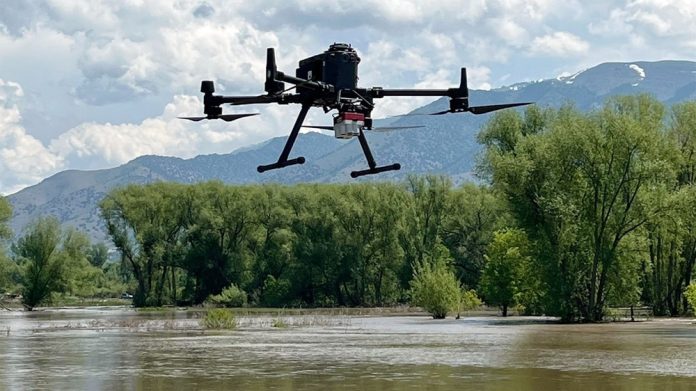
Drone Technology in Flood Surveillance: A New Era of Disaster Management in Multan
As recent floods wreak havoc across various regions, the Multan division is taking innovative steps to respond to this crisis. On August 30, the administration launched a drone technology initiative aimed at surveilling low-lying areas, ensuring efficient monitoring of flood-affected regions, and facilitating timely rescue operations. This move marks a significant shift in how authorities approach disaster management, particularly in regions prone to flooding.
Commissioner’s Commitment to Relief Efforts
In a statement, Commissioner Aamir Karim Khan emphasized the administration’s full mobilization to expedite rescue and relief efforts for those affected by the floods. His commitment to improving the situation for flood victims underscores the urgency of the ongoing crisis. With a focus on safety and well-being, the administration is employing advanced technology to navigate the challenging terrain and reach those in need more effectively.
Evacuations: The Numbers Tell a Story
According to official reports, over 257,000 individuals have been successfully evacuated to safer locations throughout the Multan division. The data reveals a targeted effort, with significant numbers coming from various districts: 238,419 people from Multan district, 14,212 from Khanewal, 2,728 from Lodhran, and 2,307 from Vehari. These statistics reflect the scale of the emergency and the administrators’ proactive stance in ensuring the safety of local communities.
Relief Camps: A Safe Haven for Displaced Families
To support those displaced by the flooding, 84 relief camps have been set up across the division. These camps play a crucial role in providing a semblance of normalcy amid chaos. There are currently 25 camps in Multan, 22 in Khanewal, 24 in Lodhran, and 13 in Vehari. Each camp is equipped to supply uninterrupted food and medical facilities, proving vital in alleviating the burden on those affected. Moreover, provisions for livestock, including fodder and clean water, have been arranged to support families facing additional challenges during this crisis.
Future Assessments and Compensation
Looking ahead, Commissioner Khan mentioned that a thorough damage assessment will be conducted once waters recede. This step is essential for understanding the full impact of the floods and the needs of the affected populations. The administration has assured that compensation will be provided to those who have suffered losses, marking a promise of support and recovery.
Collaboration and Community Support
While the local administration and government institutions are working tirelessly to aid flood victims, Commissioner Khan stresses the importance of cooperation from the affected communities. He acknowledges that some individuals remain hesitant to evacuate their homes, despite ongoing appeals for safety. The commissioner reassured the public that rescue teams are diligently working to reach these individuals, prioritizing their safety above all.
A Call to Action: The Role of Citizens
“This is a difficult time,” Khan stated, highlighting the urgency of the situation. He called for individuals to cooperate with the administration in these challenging circumstances, emphasizing that collective action is vital for effective disaster management. By fostering a sense of community and collaboration, both authorities and citizens can work together to navigate these trying times.
In summary, the implementation of drone technology for surveillance reflects a progressive approach to disaster management in Multan. With ongoing evacuations and the establishment of relief camps, the local administration is committed to providing immediate assistance to flood victims while laying the groundwork for future recovery and support.