


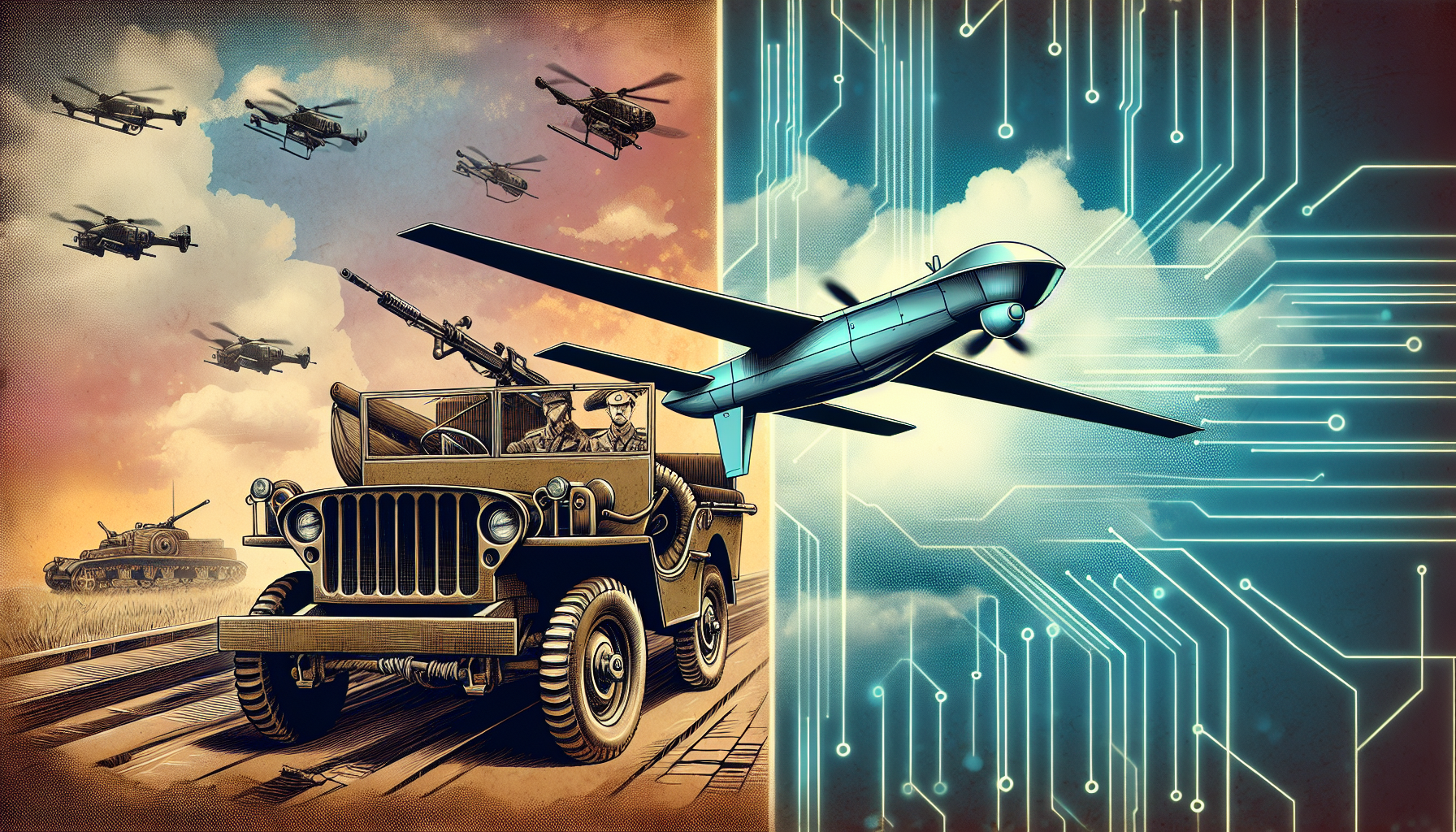
Drones: The Dual Nature of Technology in the Age of Surveillance and Resistance
The Weaponization of Drones in Global Policing
During the Trump administration, the U.S. engaged in numerous controversial drone strikes targeting “drug boats” in the Caribbean and Pacific. This troubling trend aligns with the ideas presented by philosopher Grégoire Chamayou, who argues that drones serve as instruments of globalized policing. Rather than merely functioning as tools of state power, drones exemplify a complex dialectic. What begins as a mechanism of control often becomes transformed into unpredictable and dispersed weapons, effectively “emancipated” from the structures of oversight and regulation originally designed to wield them.
The expansion of drone technology isn’t just about military dominance; it reflects profound societal implications as commercial drones proliferate. Each incident that makes headlines—“mysterious drones spotted”—feeds into a self-reinforcing cycle of security accumulation. Companies like DroneShield have emerged, championing high-tech solutions to combat the very threats that their products may exacerbate. With a significant rise in stock value—454% in just one year—DroneShield’s electromagnetic pulse rifles have become sought-after tools for military organizations worldwide.
The Marketplace of Fear
This evolving landscape reveals a larger economic dynamic in which the security sector is increasingly commercialized. Airports, stadiums, and even nuclear facilities are reimagined as targets needing protection, driving an expanding militarization of everyday life. Scholars like Mark Neocleous and Deborah Cowen have highlighted how the “war-security-capital” nexus perpetuates a state of vigilance that extends far beyond battlefields, embedding military logic in central societies’ everyday realities.
Underneath this narrative lies the profitable infrastructure of fear. As discussions arise about the “drone menace,” there exists a temptation to romanticize the technology as a form of revolt against state control. Yet the reality is far more complex—and nuanced. Drones can be wielded for noble purposes—documenting injustices, delivering medical supplies, or even facilitating grassroots resistance movements. Conversely, they can also empower oppressive regimes, surveil marginalized populations, or perpetrate violence with alarming impunity.
Geopolitical Anxiety and Media Narratives
In Belgium and beyond, the rise of drone-related anxieties often manifests in geopolitical fervor. Speculations about state involvement or foreign adversaries rapidly escalate into fevered discussions laden with Cold War-style melodrama. This transformation of anxiety into public concern illustrates how discourse shapes governance. Media coverage reifies the potential dangers associated with non-military drones while conveniently diverting attention from the underlying issues of poverty, racism, and exploitation.
These narratives can morph security into a pervasive concern beyond mere policy, integrating it into the very fabric of daily life. Live coverage of drone sightings and governmental reactions perpetuates a continuous stream of anxiety that makes security an existential issue rather than a practical one. This creates a troubling irony, where legitimate fears are used to justify increased surveillance and repression against not just foreign adversaries but also domestic opposition and marginalized communities.
The Technology-Security Feedback Loop
The critical issue extends beyond the technology itself; it pertains to the social structures shaping its applications. In a capitalist framework, every innovation meant for security also breeds its own kind of insecurity. The car bomb and the drone serve as mirrors within this feedback loop, both turning essential networks of capital—transportation routes, communication services, and more—into potential battlegrounds.
As we venture further into the complexities of modern warfare, the future landscape seems less dominated by traditional military figures and more influenced by data scientists, hackers, and even everyday workers familiar with new technological systems. The fears articulated in corporate environments hint at a deeper apprehension: that radical ideas and strategic imaginations might permeate through informal channels, where they could reshape society and disrupt established power dynamics.
A New Kind of Battlefield
The future battlefield will not be confined to specific geographical territories but will manifest across multiple sites, interwoven in the fabric of society. What creative forms of social engagement and alternative systems can emerge in this diffuse terrain? Brazilian philosopher Paulo Arantes suggests the potential for a “counter-emergency,” a space where resistance and new political imaginaries can flourish.
Yet, the challenge remains: the people’s drone, much like the car bomb before it, underscores the omnipresence of class conflict, revealing that the war of capital is not restricted to distant lands but is also fought in the familiar landscapes of daily life.