


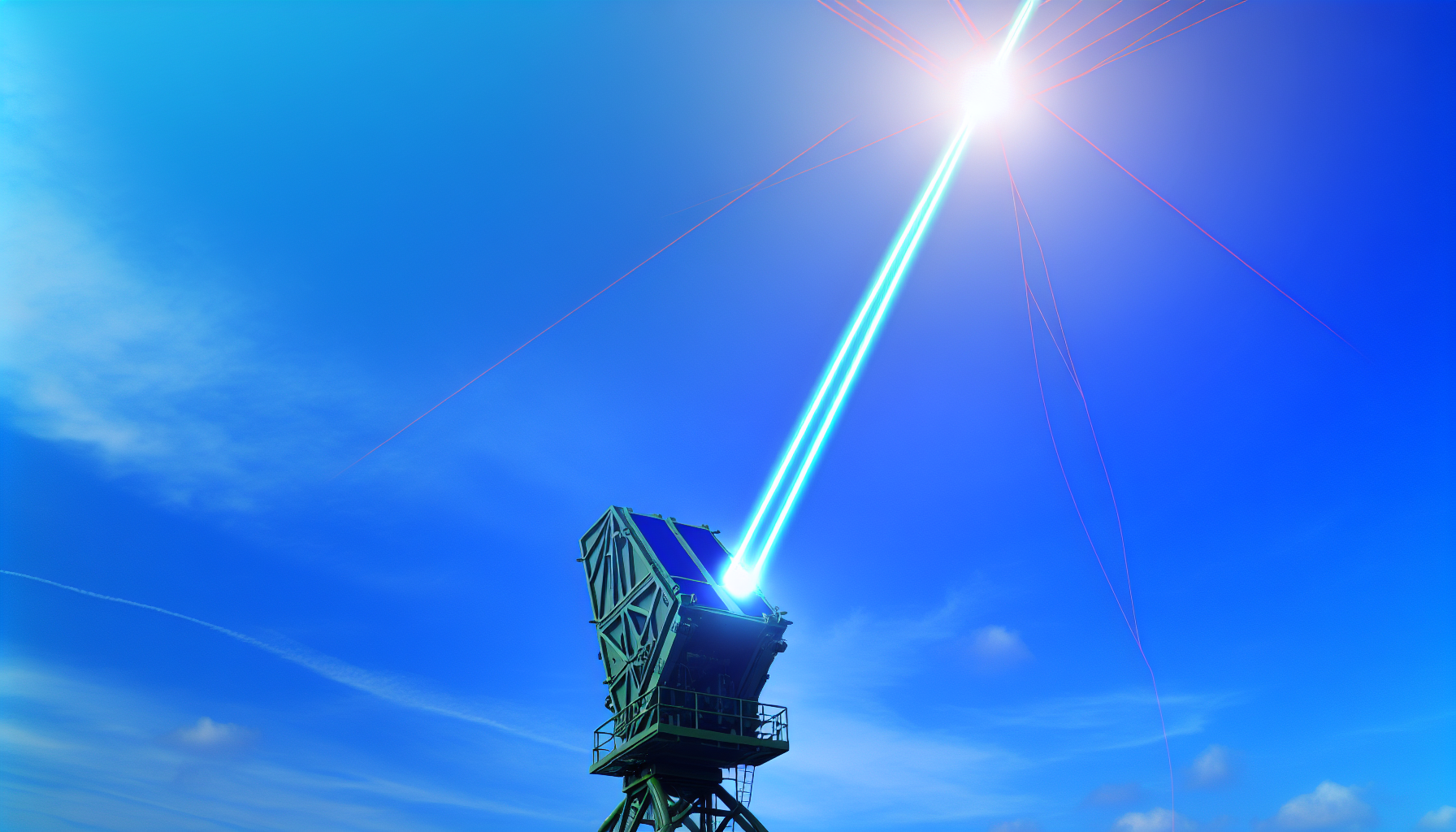
Israel Deploys Iron Beam: A Revolutionary Advancement in Air Defense Technology
Israel has recently made headlines with the field deployment of its highly anticipated Iron Beam laser air defense system. According to the country’s Defense Ministry, this cutting-edge technology is now operational, significantly enhancing Israel’s layered missile defense network. The combat performance of Iron Beam is expected to resonate not only within Israel but also influence U.S. missile defense planning.
Background and Development
The announcement, made on a recent Sunday, marks the culmination of months of testing and phased rollouts conducted by Israel’s defense establishment along with domestic industry partners. Senior defense officials have revealed that the system is being strategically positioned at multiple sites throughout the country, a move that underscores its importance in national security.
The pace at which Iron Beam has been rolled out highlights Israel’s proactive approach in response to ongoing security threats. For several years, Israel has faced sustained rocket and drone threats from regional adversaries, particularly Iran and its proxies. The development of Iron Beam represents a critical shift in how Israel plans to manage these threats in real-time.
A Game-Changer for Security
Describing the capabilities of Iron Beam, senior defense officials have emphasized that it is not merely an enhancement but a system that will “fundamentally change the rules of engagement.” This sentiment echoes the larger narrative surrounding Israel’s security innovations. With this system now in use, Israel is evolving from being primarily recognized as a “cyber nation” to a “defense-tech nation,” rooted in combat-driven innovation.
Maj. Gen. (Res.) Amir Baram, the Director General of the Defense Ministry, underlined the urgency of this shift, warning that adversaries are continuously learning and adapting. This reality necessitates the deployment of advanced technology like Iron Beam to maintain Israel’s competitive edge.
Advanced Laser Technology
What sets Iron Beam apart from traditional air defense systems is its reliance on high-energy laser technology to intercept incoming threats at the speed of light. This capability allows the system to engage drones, rockets, and mortars while dramatically lowering interception costs compared to conventional munitions. Unlike existing systems like Iron Dome, which intercepts threats with missiles, Iron Beam provides a complementary layer specifically designed to address short-range and low-cost threats.
The system’s operational debut follows the successful use of earlier, lower-power laser variants during conflicts, which effectively intercepted numerous hostile drones. Such successes prompted the acceleration of Iron Beam’s deployment, culminating in the introduction of a more powerful 100-kilowatt version now entering service.
Strategic Implications for Defense
Iron Beam is developed in collaboration with Rafael Advanced Defense Systems, a notable Israeli defense firm, and is touted as a solution to alleviate pressure on existing interceptor stockpiles. The laser system can neutralize threats early enough to minimize the need for civilian warning sirens, thereby enhancing public safety.
Rafael’s CEO, Yoav Turgeman, referred to Iron Beam as “a real game-changer,” reinforcing the notion that this system will soon occupy a central role in Israel’s air defense strategy. As deployment continues and additional batteries are planned, the system is transitioning from a wartime innovation to a cornerstone of future defense initiatives.
Broader Influence on Missile Defense
The implications of Iron Beam extend far beyond Israel’s borders. U.S. defense officials have long regarded Israel as a proving ground for emerging missile defense technologies. As Iron Beam becomes operational, its insights and lessons learned are set to inform how the U.S. military addresses low-cost interceptions amidst escalating drone and rocket threats.
With its innovative approach to air defense, Israel is not only fortifying its own security but also paving the way for advancements in global defense strategies. The integration of laser technology as a practical means to counter aerial threats stands to redefine military engagement standards in the years to come.
Perspectives from Experts
The introduction of the Iron Beam system has drawn significant interest among defense analysts and military experts worldwide. Observers are eagerly anticipating how its operational data will influence future defense technologies and strategies, particularly in the context of evolving threats that nations face in modern warfare.