


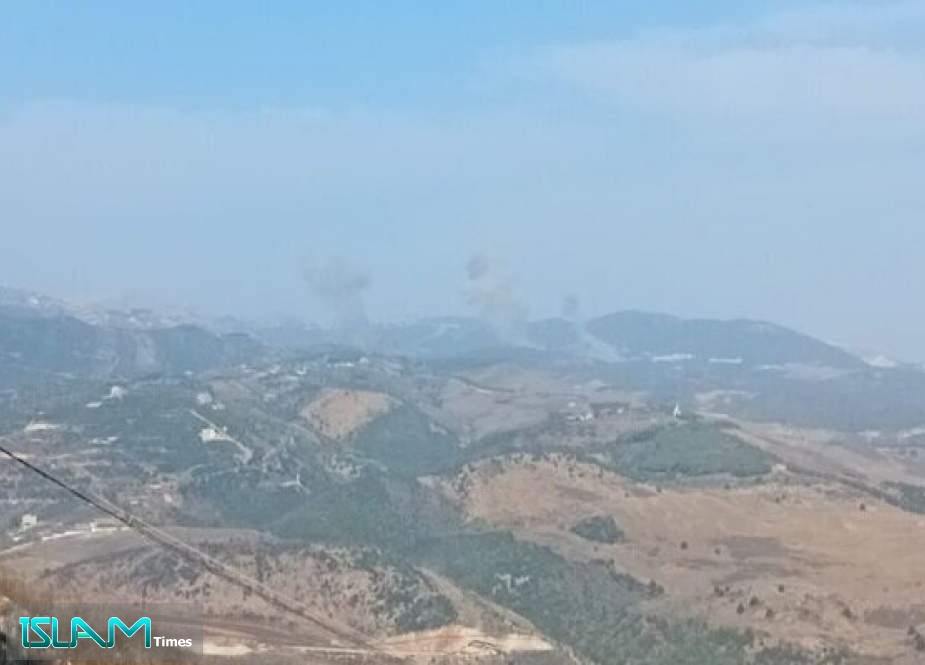
Rising Tensions: Recent Israeli Drone Attack in Southern Lebanon
In a troubling escalation of violence, local media in Lebanon reported on Saturday that an Israeli drone strike resulted in the death of a Lebanese citizen in the town of Rab Thalathin. This incident adds to the mounting tensions in the region as it highlights the precarious balance between ceasefire agreements and ongoing military actions.
The Incident
The Lebanese Ministry of Health confirmed that the drone attack, which took place in southern Lebanon, claimed the life of a civilian. This event marks another chapter in a series of aggressive actions by Israel, which has persisted despite established agreements aimed at mitigating conflict between the two nations. The targeted approach of Israeli military strategies often raises questions about the boundaries of warfare and civilian safety in conflict zones.
Historical Context
The backdrop of this incident is the ceasefire agreement that was brokered over a year ago, aimed at restoring some semblance of peace between Lebanon and Israel. The agreement was expected to curtail aggressive military actions; however, Israeli drone strikes have continued, defying the terms of this fragile truce. With the last year’s tensions still fresh, the attack serves as a reminder of the difficulties in achieving lasting peace in the region.
Tensions and Military Strategy
Israel’s boldness in conducting drone attacks can be interpreted as a manifestation of its ongoing hostilities against Lebanon, particularly against Hezbollah, the powerful militant group that influences Lebanese politics and military strategy. Israeli officials claim that these operations are necessary to thwart potential threats from Hezbollah and other factions. However, such actions often result in civilian casualties, raising ethical concerns about the methods employed in counterterrorism efforts.
Hezbollah and International Pressure
The Israeli government has, in tandem with U.S. support, been working to dismantle the Hezbollah Resistance Movement. This strategic objective involves not only military operations but also significant political pressure on the Lebanese government. Israeli officials assert that disarming Hezbollah is crucial for long-term stability in the region, yet this approach seems to provoke further animosity and tension rather than fostering cooperation.
Implications for Lebanese Sovereignty
The drone strike and Israel’s continued military interventions pose serious questions about Lebanese sovereignty. While international bodies advocate for peace and respect for territorial integrity, incidents like these reveal the fragility of such resolutions in the context of entrenched hostilities. As the Lebanese government grapples with the aftermath of this attack, its position becomes increasingly tenuous, especially against the backdrop of heightened regional tensions.
The Role of International Communities
The role of international communities, particularly in mediating conflicts, cannot be understated. Diplomatic approaches are essential in de-escalating these types of situations; however, their efficacy is often hindered by complex geopolitical realities. The push for disarmament of Hezbollah, intertwined with diplomatic efforts, presents a multifaceted challenge; addressing it requires not only a comprehensive understanding of local dynamics but also a commitment from global powers to pursue dialogue rather than unilateral military actions.
Civilian Impact and Humanitarian Concerns
Perhaps the most critical aspect of this cycle of violence is the impact on civilians. With missile strikes and drone attacks becoming a tragic part of daily life in southern Lebanon, the humanitarian consequences are dire. Displacement, loss of life, and psychological trauma underline the urgent need for comprehensive humanitarian efforts alongside diplomatic resolutions.
The aftermath of the recent Israeli drone strike serves as a stark reminder of the volatile situation in which civilians live, often bearing the brunt of conflicts driven by political and military objectives. Addressing the humanitarian crisis in regions affected by warfare is not just an ethical imperative but also a crucial component of any strategy aimed at achieving peace.
In summary, the recent killing resulting from an Israeli drone attack is not merely a singular event but a reflection of broader tensions, historical grievances, and the challenging path toward peace in a conflict-ridden region. The complexities involved demand careful consideration from global stakeholders, emphasizing the need for dialogue, respect for sovereignty, and a commitment to protecting civilian lives amidst political strife.