


Japan’s Drone Regulation Expansion: A Response to Rising Concerns
Introduction to Drone Technology
Drones have rapidly evolved in the last decade, transforming from niche gadgets into integral tools across various sectors, including photography, agriculture, and delivery services. High-performance drones capable of achieving greater speeds and extended functionality have entered the consumer market. As this technology becomes increasingly mainstream, concerns about safety and security have also escalated, particularly in urban environments.
The Planned Expansion of No-Fly Zones
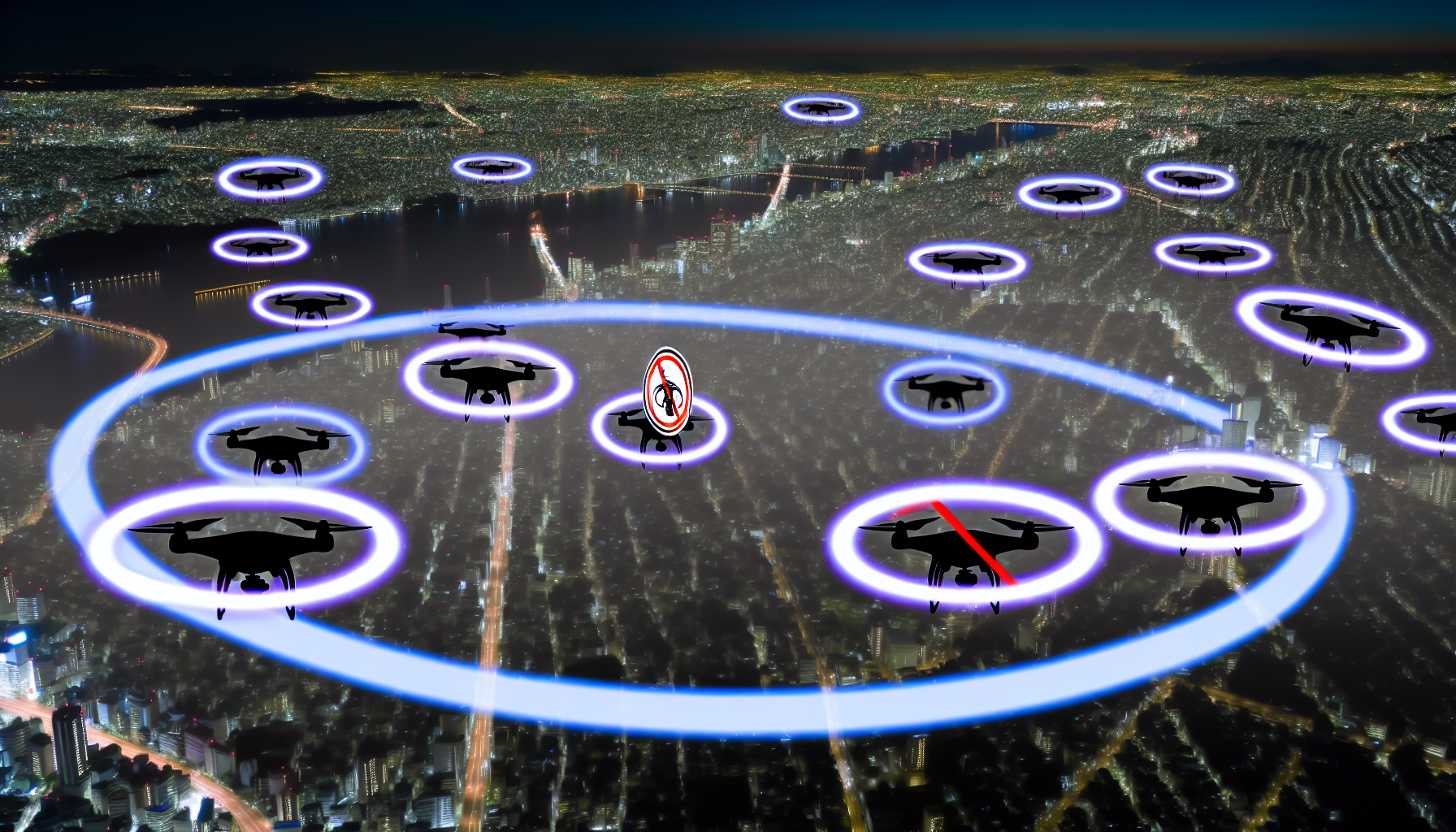
In light of recent developments in drone technology and a growing awareness of potential threats, Japan has announced plans to expand no-fly zones around critical locations. According to insider reports from Nikkei, these areas will extend to a radius of 1,000 meters from designated sensitive sites. This initiative is primarily driven by heightened terrorism threats, aiming to prevent unauthorized drone operations that could pose serious risks.
Understanding the Motivation Behind Restrictions
As drone technology becomes more sophisticated, so too do the potential risks associated with their misuse. High-profile incidents involving drones disrupting public events or infiltrating secure facilities underline the urgent need for robust regulations. Japan’s decision to implement these new restrictions reflects a proactive stance towards national security, recognizing that the increasing availability of drones can lead to malicious applications.
A Broader Global Context
Japan’s move mirrors similar actions taken by governments worldwide. Countries such as the United States and the United Kingdom have also rolled out measures to enhance drone regulation, often citing security concerns as a primary motivation. These global efforts reinforce the importance of creating a legal framework that ensures safe drone operation, balancing innovation with public safety.
Implications for Drone Users
For commercial and recreational drone users, these new regulations could significantly impact their operations. Enthusiasts could find their flying activities limited, particularly near urban centers, airports, and other sensitive areas. The need for heightened awareness and compliance with local regulations is essential for anyone operating a drone in Japan.
Commercial drone operators may also need to reassess their strategies. Companies relying on drone technology for delivery services, agricultural monitoring, or aerial photography must adapt to the changing landscape, potentially redesigning flight paths and securing necessary permits for operations.
The Role of Technology in Enforcement
With these expanded regulations, technology will play a crucial role in enforcement. The development of advanced drone detection systems is expected to help authorities monitor compliance effectively. These systems can identify unauthorized drones entering restricted airspace, enabling prompt responses to potential threats. As drone technology evolves, so must the tools and methods used to regulate it.
The Future of Drone Regulations
As Japan implements these new regulations, the ongoing dialogue surrounding drone technology and its societal implications will continue to evolve. Engaging stakeholders—ranging from government agencies to drone manufacturers and users—will be key to navigating this complex landscape. Mitigating risks while fostering innovation presents a significant challenge that requires collaborative efforts and adaptive strategies.
Conclusion
The expansion of no-fly zones around critical locations in Japan marks a significant shift in how the country approaches drone regulation. As concerns about security grow, balancing the benefits of drone technology with public safety will remain a pressing issue. Stakeholders across all sectors must work together to ensure the responsible use of drones, paving the way for a safer and more innovative future.