


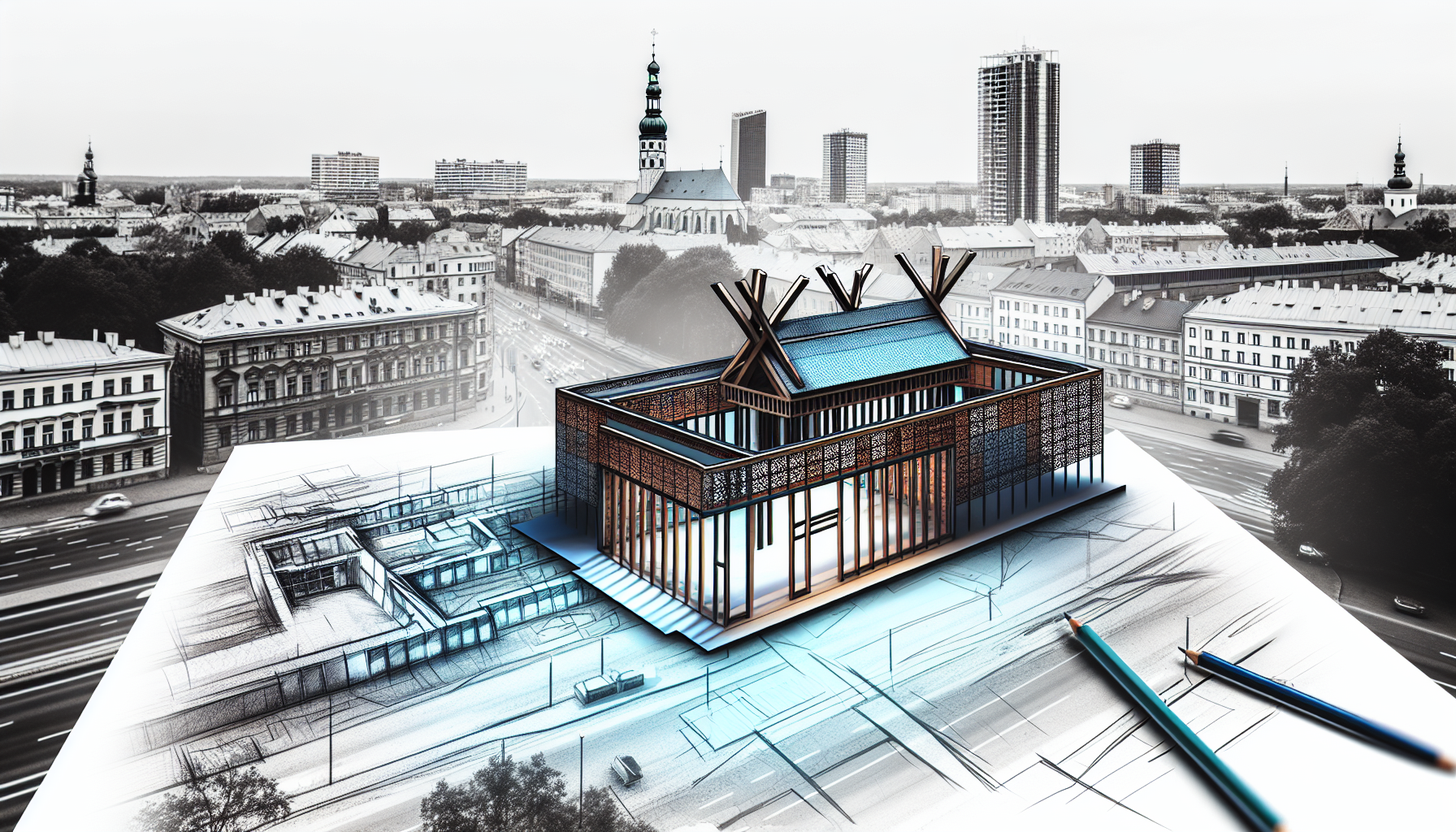
The Latvian Pavilion at the 2025 Venice Architecture Biennale
The Latvian Pavilion at the 19th International Architecture Exhibition – La Biennale di Venezia promises to be a thought-provoking exploration of how military defense shapes both landscape and lifestyle. With a focus on the geographical implications of Latvia’s position on NATO’s external border, the pavilion invites visitors to engage in a critical dialogue on the spatial impact of conflict.
Curatorial Vision
Commissioned by Jānis Dripe and curated by Liene Jākobsone and Ilka Ruby, the pavilion’s design is crafted by SAMPLING and Nomad Architects. The curatorial team aims to present the unique conditions that define Latvia’s border landscape, emphasizing how ongoing geopolitical tensions influence everyday experiences of its inhabitants. The exhibition will question what it means to live under the constant shadow of military threat.
Thematic Elements
At the heart of this exhibition lies an exploration of military defense and its concrete manifestations. The pavilion will feature various defense installations, including:
- Fences
- Anti-tank barricades (“hedgehogs”)
- Concrete “dragon’s teeth”
- Anti-tank trenches
These elements are positioned within a coherent system that showcases Latvia’s approach to national security, prompting viewers to ponder the emotional and physical realities faced by the local population.
Design Features
Incorporating striking visual elements, such as neon accents and interactive installations, the exhibition invites participants to reflect on the psychological effects of border fortifications. The design serves not merely as a representation of military infrastructure but as a catalyst for conversation about security, resilience, and the complex spatial conditions shaped by conflict.
Connection to Everyday Life
The pavilion aims to bridge the gap between architectural discourse and the lived experience of residents in border areas. By examining the relationship between people and their defensive landscape, it goes beyond mere aesthetics, encouraging visitors to consider the implications of living in a fortified environment. The curators pose essential questions about how military arrangements impact community life and individual psyche against a backdrop of ongoing geopolitical strife.
Experts Behind the Pavilion
Liene Jākobsone, co-curator and architect, is a founding partner of SAMPLING and the director of the Institute of Contemporary Art, Design, and Architecture at the Art Academy of Latvia. Her background encompasses architecture, interior, and exhibition design, which informs the thoughtful narrative of the pavilion.
Ilka Ruby, based in Berlin, is an accomplished curator and author, known for her influential work across various platforms including the Venice Architecture Biennale. Her extensive experience lends depth to the pavilion’s thematic exploration, providing a context rich with historical and contemporary references.
A Call for Engagement
The Latvian Pavilion serves as more than just an exhibition space; it is a call to action for architects, urban planners, policymakers, and military specialists alike. It challenges these figures to contemplate the implications of defense strategies on both territory and people. By creating a dialogue around spatial qualities, the exhibition invites stakeholders to envision a future where architecture supports not just defense, but also community well-being.
The Bigger Picture
The 2025 Venice Biennale features participation from 65 nations, including first-timers like Azerbaijan, Oman, Qatar, and Togo, each contributing their unique narratives to the global architectural conversation. As these diverse pavilions unfold their stories, the Latvian Pavilion stands as a poignant reminder of how landscapes are more than mere backdrops — they are shaped by conflict and resilience, influencing the lives of those who inhabit them.
With its engaging and relevant themes, the Latvian Pavilion is set to spark discussions that resonate not only within the realm of architecture but also within broader societal contexts. It pushes for a deeper understanding of how security is architected into our realities, making it a must-visit at the Venice Biennale.