


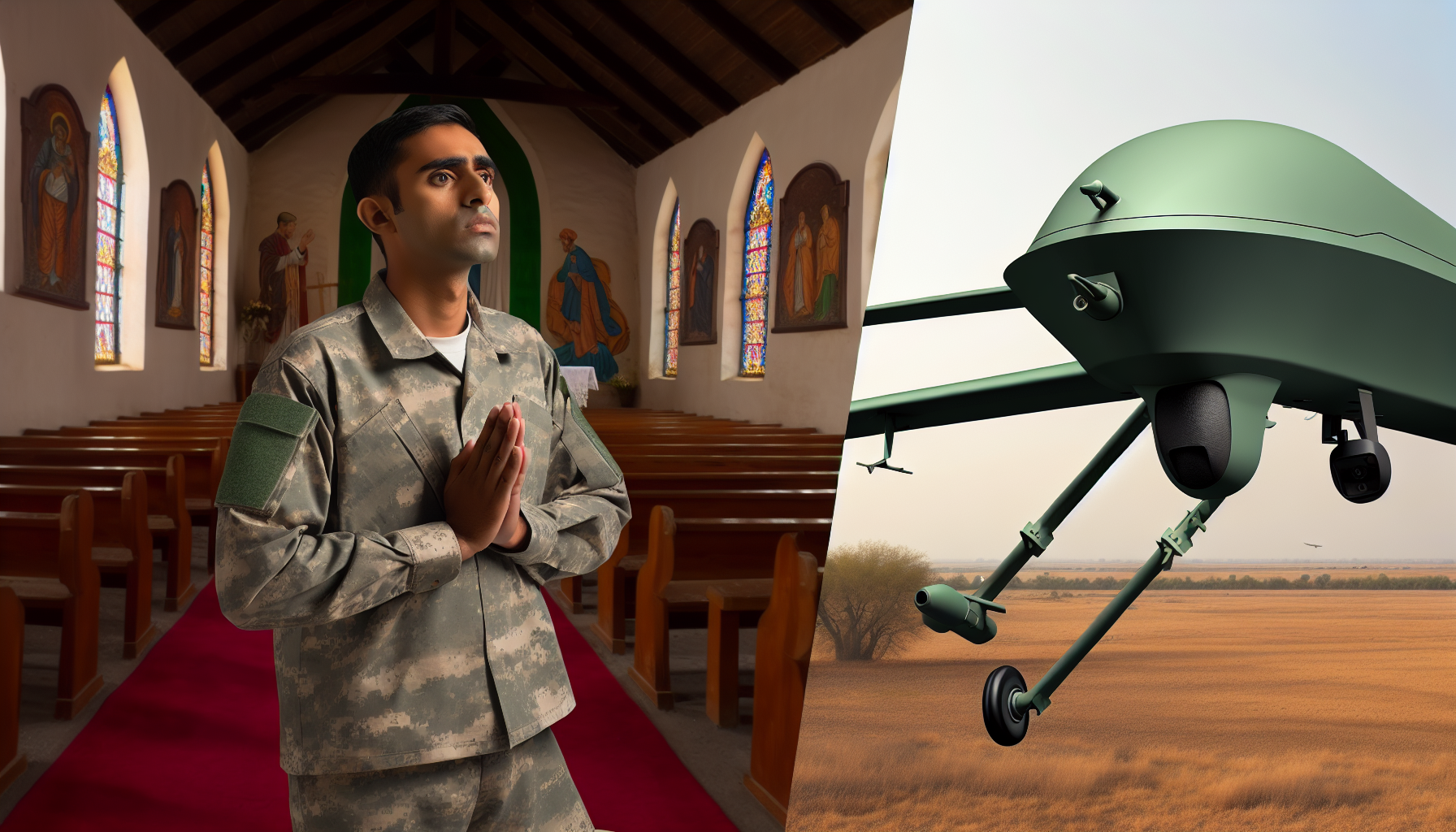
The Legitimacy of U.S. Drone Strikes: A Multifaceted Discussion
Are drone strikes a legitimate tool in modern warfare? This question reverberates through both public discourse and military policy as the United States continues to employ these tactics against terrorist and insurgent leaders. The perception of legitimacy surrounding U.S. drone strikes is central to understanding how and why the government can persist with these operations.
The Public’s Perspective
The American public generally tends to back military actions that are viewed as righteous. U.S. policymakers often reference the perceived legitimacy of drone strikes to gain public support. A significant observation is that the U.S. military itself has adopted “legitimacy” as a core principle in its counterterrorism operations. However, the factors shaping public perceptions of drone warfare and the accompanying legitimacy remain somewhat elusive.
Surprisingly, despite the ethical concerns and criticisms drone strikes frequently attract, they have become a staple in U.S. counterterrorism policy, particularly in regions like Afghanistan and beyond. The stark reality of drone warfare lies in the remoteness of its execution; operators are often thousands of miles away from their targets, relying on camera feeds and sensors, which can sometimes result in tragic misidentifications and civilian casualties.
Defining Drone Warfare
A critical aspect of understanding drone warfare is the need for a comprehensive definition. Military scholars often debate what constitutes this form of warfare, which directly influences how legitimacy is perceived. For our research on the subject, we’ve defined drone warfare by its attributes—namely, the methods and reasons behind its deployment.
This framework indicates that a country’s approach in employing and regulating drones plays a substantial role in shaping public perceptions of their legitimacy. Notably, a significant difference exists in how U.S. citizens and military personnel, especially chaplains, view these strikes.
Uses and Constraints in Drone Warfare
Drones can be utilized for various purposes, which further complicates discussions surrounding their legitimacy. Tactical strikes aim to fulfill immediate battlefield goals, like neutralizing enemy strongholds. On the other hand, strategic strikes are designed to dismantle terrorist organizations, often through specific operations aimed at key leaders—what some refer to as “decapitation operations.”
Countries also differ in how they constrain drone usage. Some impose self-regulated guidelines, like stringent targeting standards that weigh operational effectiveness against the risk of civilian harm. Others find themselves subject to external constraints often based on international approval.
Views of U.S. Citizens
Research has shown that U.S. citizens perceive over-the-horizon drone strikes—those carried out without external oversight—as the most legitimate. This method has characterized much of the U.S.’s international approach. Nonetheless, this perception erodes when civilian casualties occur, prompting citizens to seek greater international governance over such actions.
Interestingly, while American public support for drone strikes can be robust, it does appear to hinge heavily on a thorough understanding of operational transparency and accountability, especially concerning potential collateral damage.
Insights from U.S. Army Chaplains
In contrast to public opinion, U.S. Army chaplains—who serve as moral advisors during military conflicts—hold a more skeptical view of drone warfare. Our research indicates that chaplains tend to regard tactical strikes as the most legitimate. Yet even among these, their level of support often wavers due to ethics surrounding legality and intelligence reliability. This “legitimacy paradox” reflects the complexity of their roles as they navigate the moral terrain of modern warfare.
Chaplains minister not just to soldiers but also to drone operators, who may experience ‘moral injury’—the emotional toll from decisions made during warfare. Their role is vital, but as some experts argue, the influence of chaplains may not be as strong or straightforward as one might expect—particularly in the context of drone operations against non-state adversaries.
Implications for Policy and Strategy
The varying perceptions of legitimacy between U.S. citizens and military personnel highlight essential considerations for policymakers.
To bolster the legitimacy of the U.S. drone program:
- Transparency is Key: Elected officials need to openly justify drone strikes, particularly when negotiating issues of international sovereignty.
- Clarifying Intelligence: Military leaders ought to share detailed information about the intelligence that informs drone operations, outlining how these align with international legal standards and civilian protection measures.
- Assessing Internal Perspectives: As military technology evolves—especially with the rise of autonomous drones—there’s a pressing need to investigate differing perceptions concerning legitimacy within military ranks, emphasizing the role of legal advisors who may interpret laws of conflict in unique ways compared to chaplains.
These findings underline the critical need for deliberation and transparency, essential not only for public support but also for maintaining ethical standards in modern warfare.