


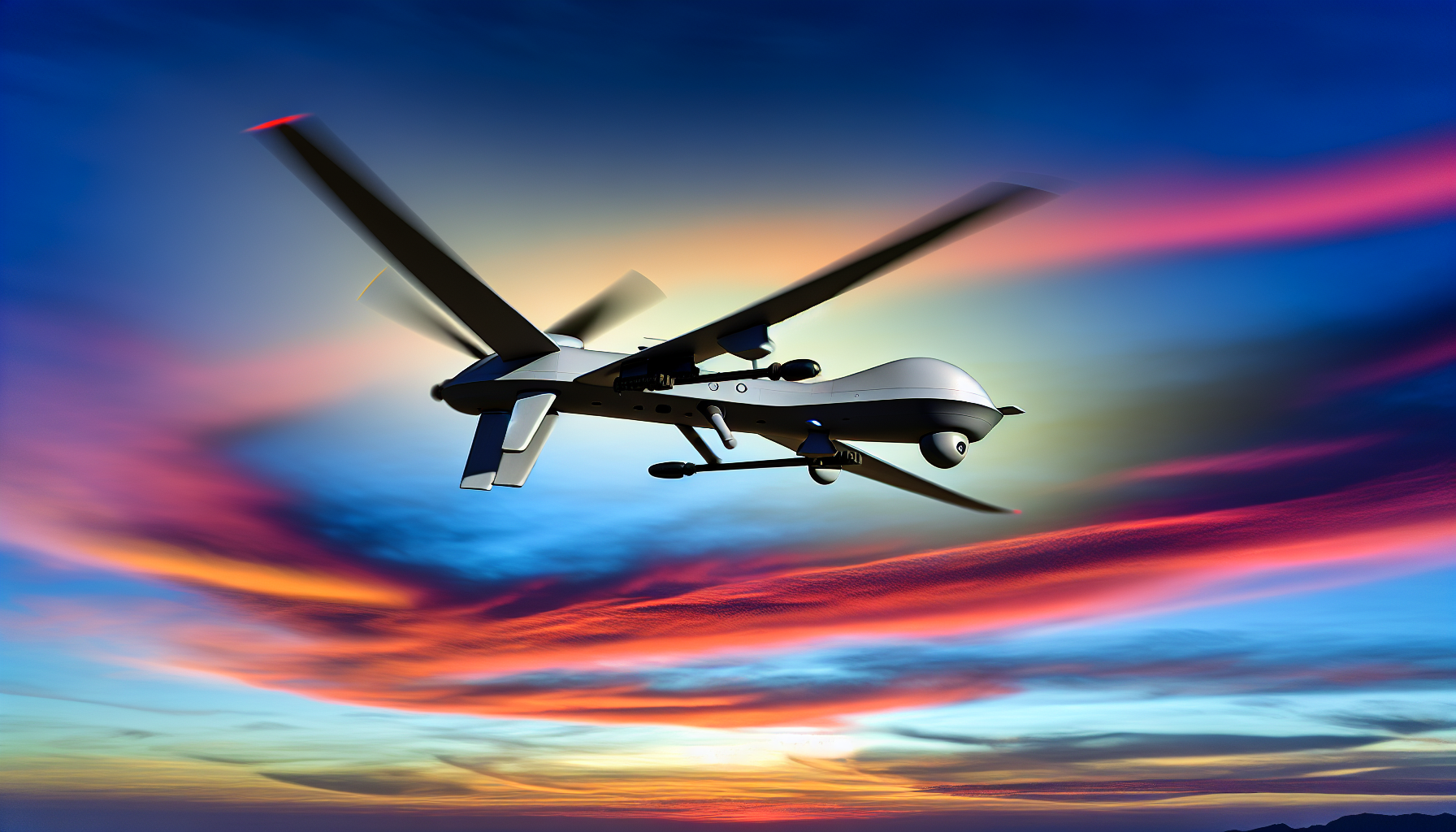
The Rise of Drone Technology in the U.S. Marine Corps
Introduction to FPV Drone Demand
The U.S. Marine Corps (USMC) has called for companies to deliver 10,000 first-person view (FPV) drones by January 1, 2027. This Request for Information (RFI), posted on a government procurement website, aligns with the rising importance of drone technology in modern warfare, especially highlighted by their use in the ongoing conflict in Ukraine. While this number may seem modest compared to the staggering amounts being utilized in Ukraine, it represents a significant shift in military strategy and tactics, aiming to enhance the lethality and effectiveness of troops at the squad level.
Enhancing Ground Capabilities
The Corps is focused on integrating FPV drones to enable strike capabilities on the battlefield that surpass traditional weapons like rifles and mortars. These drones have already demonstrated their potential in Ukraine, where they provide quick, precise strikes against both personnel and equipment, significantly altering the dynamics of combat. The USMC’s vision integrates lessons learned from these conflicts into their operational framework, establishing specialized teams to maximize drone effectiveness in various scenarios.
The Shift in Military Strategy
As the USMC adapts to changes in warfare, it’s clear that the focus is on empowering ground forces with advanced technology. With a desire for weapons that offer a range beyond what is currently available, the Corps is setting up “attack drone teams.” The establishment of these units reflects an evolution in tactical training and the operational deployment of drones in combat situations.
FPV Drones and Their Tactical Advantages
FPV drones present several advantages for the USMC, notably in terms of cost-effectiveness and versatility. Priced at under $4,000 per unit, they allow Marines to engage targets from distances up to 20 kilometers, a significant reach for ground units. This capability is further enhanced by the option to modify drone payloads in the field, allowing for flexibility and rapid response to changing operational requirements.
Ground-Control Technology
Recent advancements allow these drones to utilize multiple control methods—primarily radio frequencies and fiber optic cables. Cigarettes containing both forms of communication ensure operational reliability, enabling drones to bypass common electronic warfare tactics that could disrupt operations. These features allow Marines to coordinate drone operations effectively, even in challenging environments.
The Importance of Maintenance and Adaptability
The RFI highlights the need for drones that can be modified and repaired by troops without direct vendor involvement. In a rapidly evolving conflict, the capacity for swift maintenance of equipment can prove crucial. Prioritizing self-sufficiency in repairs minimizes dependence on external sources and enhances the Marines’ operational readiness.
Training and Competitions: Building Competence
The Marine Corps has been proactive in testing these drones in simulated combat situations. Recent competitions, such as the Attack Drone Competition held in Okinawa, enable servicemen to hone their drone operational skills. Such events not only check the readiness of the units but also facilitate knowledge sharing, reinforcing best practices among different military branches.
Combat Training Initiatives
The ongoing FPV drone training initiatives highlight the commitment to enhancing combat readiness. Recent exercises, including training missions conducted in Puerto Rico, show that integrating FPV technology into existing military tactics is a priority for the Corps. This approach aligns with broader U.S. efforts to modernize military tactics in response to advancements observed in global conflicts.
Learning from Ukraine’s Experience
The extensive use of FPV drones in Ukraine has reshaped the battlefield, illustrating how small units can now strike from great distances. The lessons learned from this conflict are being incorporated into U.S. military strategies, establishing a template for future engagements where drone technology becomes a staple of land warfare.
Global Context and Future Outlook
While the Marines aim to procure 10,000 FPV drones, this number pales in comparison to Ukraine’s projected 4.5 million. However, the U.S. faces different operational contexts, being less dependent on large quantities but rather on integrating effective solutions into its military framework. As the global landscape shifts, so too will the methods of warfare, with drone technology being at the forefront of these changes.
Conclusion
In conclusion, the U.S. Marine Corps’ embrace of FPV drones marks a significant step in military modernization. As strategies evolve and technology continues to advance, the focus on delivering rapid, effective strike capabilities will be critical in future conflicts. The ongoing integration of drones into operational tactics signifies a change in how ground forces will engage in warfare.
Feel free to reach out for more in-depth insights or specific details on certain aspects of this topic!