



The Pentagon’s Joint Interagency Task Force 401 (JIATF 401) Launches Counter-Drone Initiative with New Acquisition
On January 13, 2023, the Pentagon’s Joint Interagency Task Force 401 (JIATF 401) announced a pivotal move in its defense strategy by securing its first contract under the Replicator 2 initiative. This acquisition includes two Fortem DroneHunter F700 counter-Unmanned Aerial Systems (UAS), aimed at reinforcing defenses around U.S. military installations and critical infrastructures against the growing threat posed by small drones. These systems are expected to be delivered by April, marking a significant step forward in operational readiness against aerial threats.
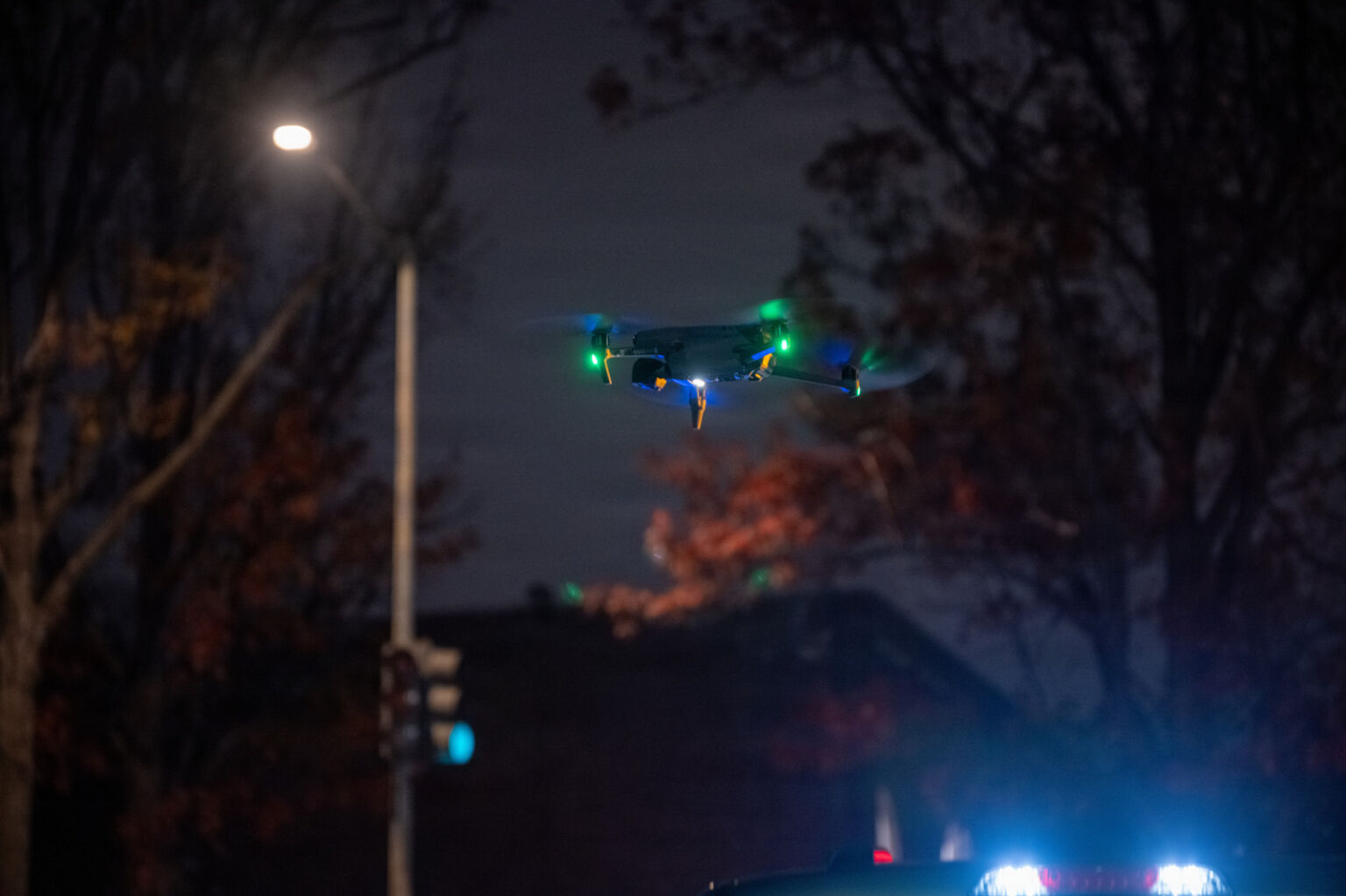
A New Approach to Counter-Drone Technology
Brig. Gen. Matt Ross, director of JIATF 401, emphasized the task force’s commitment to operating “at the speed of relevance.” This involves cutting through bureaucratic red tape, collaborating with startups and venture capitalists, and consolidating resources to expedite the deployment of necessary defense technologies. For Ross, the effectiveness of the task force will be measured by its ability to deliver state-of-the-art counter-UAS capabilities to warfighters both domestically and globally.
Understanding the Replicator Initiative
The Replicator initiative, initially unveiled in 2023, is designed to expedite the deployment of attritable and autonomous systems throughout the military. The first phase, known as Replicator 1, concentrated on integrating a substantial number of small, low-cost uncrewed systems across various operational domains. In a shift of focus, Replicator 2 aims to tackle counter-small UAS concerns—particularly Group 1 and 2 drones, which have emerged as significant threats in conflict zones like Ukraine and the Middle East, as well as within the United States.
As the Defense Department’s lead organization for this mission, JIATF 401’s role includes harmonizing counter-UAS initiatives across various military branches, streamlining testing and acquisition processes, and delivering joint capabilities both for domestic safety and international operations. Apart from military applications, the task force has also collaborated with the Defense Logistics Agency and FEMA to make counter-UAS solutions accessible to local law enforcement.
The Role of DroneHunter in Modern Warfare
The Fortem DroneHunter is described as a reusable, AI-enabled interceptor equipped with radar and built-in autonomy for the detection, tracking, and capture of small drones. Once a target is confirmed, it deploys a tethered net to ensnare the drone, allowing for a minimal-collateral damage response, especially in densely populated or sensitive environments. This makes it particularly suitable for protecting civilian populations while maintaining operational integrity.
Fortem’s CEO, Jon Gruen, framed the selection of DroneHunter as a pivotal moment, emphasizing that it showcases the technology’s maturity and deployability. The DroneHunter is part of Fortem’s larger SkyDome Family of Systems, which integrates TrueView radar sensors, command-and-control software, and autonomous interceptors. The company has established operational credibility with its technology being validated in various conflict zones across the globe.
Significance of the Initial Purchase
While the initial acquisition of just two DroneHunter F700 systems might seem modest, it holds significant implications. This early choice serves as a reference point for future acquisitions within the Replicator 2 framework, as the initiative is designed to transition from initial decisions to broader deployment efficiently, minimizing delays in fulfilling operational needs.
Gruen highlighted the importance of this selection, stating that it lays a clear path for scaling proven technologies as needs evolve. JIATF 401 views DroneHunter as a crucial component of its overarching defensive strategy, which combines diverse technologies to address the multifaceted threats posed by small drones.
Building a Layered Defense Strategy
The development of a robust counter-drone capability necessitates a layered defense approach. Brig. Gen. Ross and other officials have reiterated that no single solution will resolve the small UAS challenge. Instead, JIATF 401 is creating a holistic defense strategy that integrates multiple sensors, kinetic and non-kinetic countermeasures, and advanced battle-management tools within a unified architecture.
“This is one example that demonstrates how JIATF 401 has taken counter-drone efforts from a community of interest to a community of action,” Ross stated. This commitment to a collaborative, whole-of-government approach emphasizes the importance of interagency partnerships and industry collaboration in building a comprehensive defense against the broad spectrum of small UAS threats facing the nation.