


Allegations Against an Elite German Paratrooper Regiment
Recently, an elite German paratrooper regiment has come under scrutiny for a range of serious allegations, including sexual assault, antisemitism, right-wing extremist activities, violent rituals, and drug use. German Defence Minister Boris Pistorius described the incidents surrounding these allegations as “deeply disturbing.”
The Initial Complaint
The controversy first attracted attention when two female soldiers filed a complaint with the Parliamentary Commissioner for the Armed Forces in June. This complaint sparked an investigation involving multiple agencies, including the Military Counterintelligence Service (MAD), military justice, and the public prosecutor’s office, with a particular focus on the 26th Parachute Regiment based in Zweibrücken.
Investigative Details and Initial Findings
Dozens of soldiers are currently being investigated for a wide range of alleged misconduct. Reports suggest that soldiers have been dismissed as a direct result of the probe, and the regiment’s commander has recently been replaced. Internal documents obtained by the Frankfurter Allgemeine Zeitung (FAZ) indicate that troubling behavior had been tolerated for years, ranging from the use of right-wing slogans to excessive drinking and drug use.
Experiences of Female Soldiers
Female soldiers reported a climate of fear and hostility, detailing experiences of sexual assault and derogatory remarks. The culture within the regiment reportedly interpreted complaints as acts of disloyalty. Within certain combat units, women were often perceived not as equal comrades but as disruptive elements, creating additional barriers for those who sought to defend themselves against misconduct. Soldiers who stood up against the prevailing culture risked ostracism or reassignment, while those accused frequently remained in their positions.
Troubling Rituals and Practices
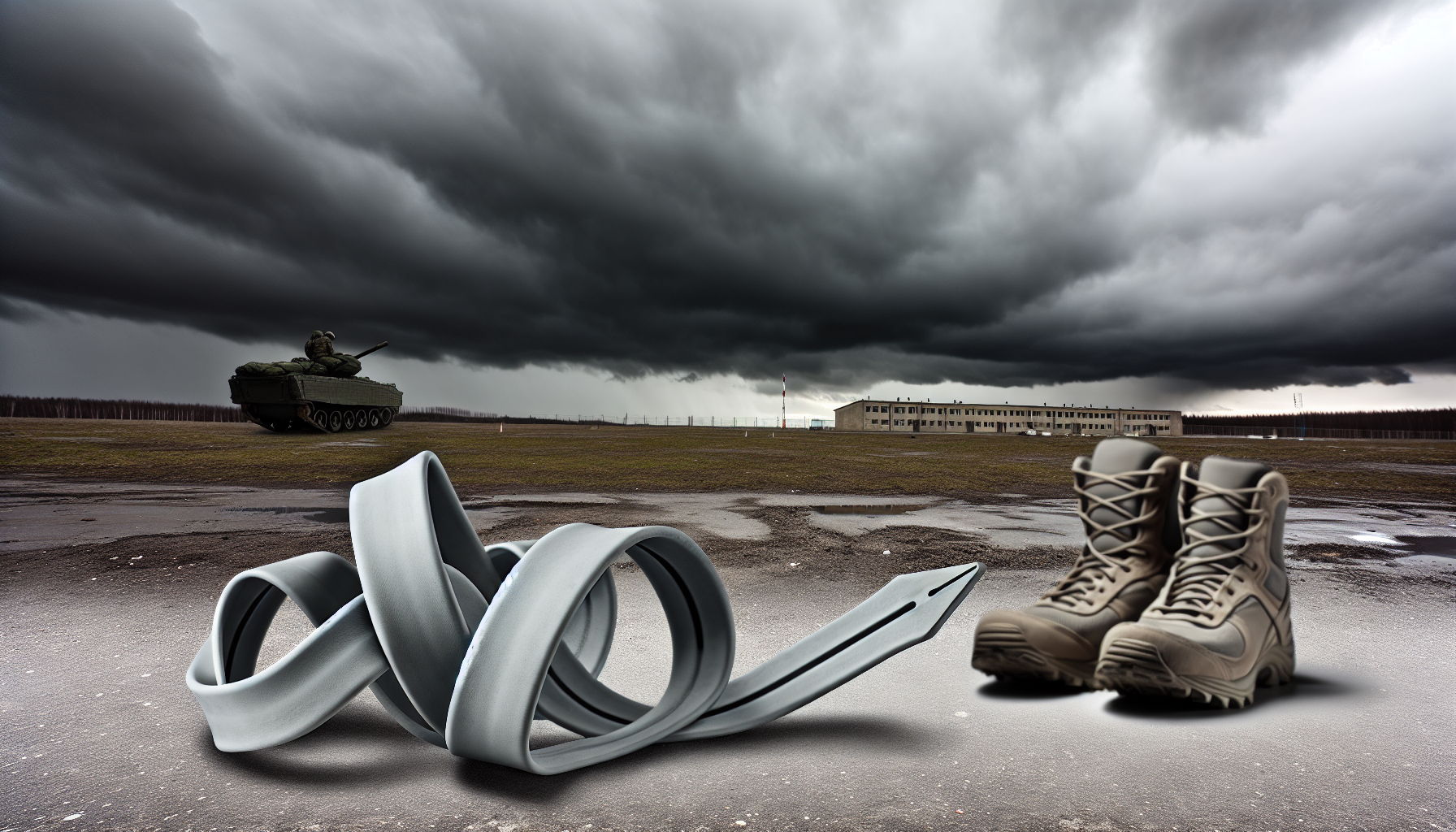
Another disturbing aspect of the investigation involves specific rituals described as “upholding tradition.” One particularly alarming practice involved forcibly attaching the parachutist badge, with participants striking the pin until it pierced their skin and drew blood. Those who resisted were subjected to harassment, further reinforcing a pressure to conform.
Germany’s defense ministry has categorically stated that such practices are “entirely unacceptable” and constitute criminal offenses under the German Military Criminal Code. Deputy spokesperson Kenneth Harms emphasized that right-wing extremism and inappropriate sexual behavior are the focal points of the investigation.
Defence Minister’s Stance
Pistorius described the allegations as contrary to the core values of the armed forces. He expressed concern over the apparent failure to recognize and address these issues promptly. The Defence Minister praised Army Inspector Lieutenant General Dr. Christian Freuding for taking swift action to prevent further misconduct, stating that measures would be included in an “Airborne Forces action plan” that will be implemented without delay.
He further reiterated that there is no place for extremism, sexual misconduct, or drug use within the Bundeswehr. A cultural shift is necessary to create an environment where misconduct can be reported without fear or intimidation.
A Pattern of Problems
This incident is not isolated; it follows similar scandals within other elite military units, particularly the Special Forces Command (KSK) based in Calw. Like the paratroopers, the KSK has faced accusations of right-wing extremism and issues linked to loyalty overriding formal regulations. Between 2017 and 2021, around 50 cases of suspected extremism were investigated within the unit, leading to dismissals and the disbanding of one company.
One notable case involved a sergeant major in the KSK who stockpiled weapons and extremist literature at home. While eventually convicted, the case highlighted a troubling climate where warning signs had been overlooked.
The Ongoing Struggle Against Extremism
Recent reports illustrate that right-wing extremism remains a pressing issue within the Bundeswehr. In 2024, investigations into 1,159 suspected cases were reported, with 216 newly confirmed instances of right-wing extremism.
Examining Systemic Failures
Under Section 10 of the Soldiers Act, commanders are mandated to immediately report extremist behavior and serious breaches of duty. Despite this legal requirement, reports suggest a culture of complacency has emerged. In high-pressure elite units, warning signs have often gone unnoticed or unaddressed, partly due to concerns about operational readiness and the unit’s reputation.
The Challenges in Response
While soldiers facing misconduct allegations can be dismissed or demoted, the actual process of addressing these issues is frequently slow and cumbersome. Clear evidence of leadership failure is often required before actions are taken, posing a significant challenge in the battle against ingrained cultures of misconduct.
The situation surrounding the elite German paratrooper regiment is a sobering reflection of the complex dynamics within military culture, raising critical questions about leadership responsibility, systemic issues, and the necessary protections for those who report misconduct.