


The Consequences of Drone Warfare: The Case of Zemari Ahmadi
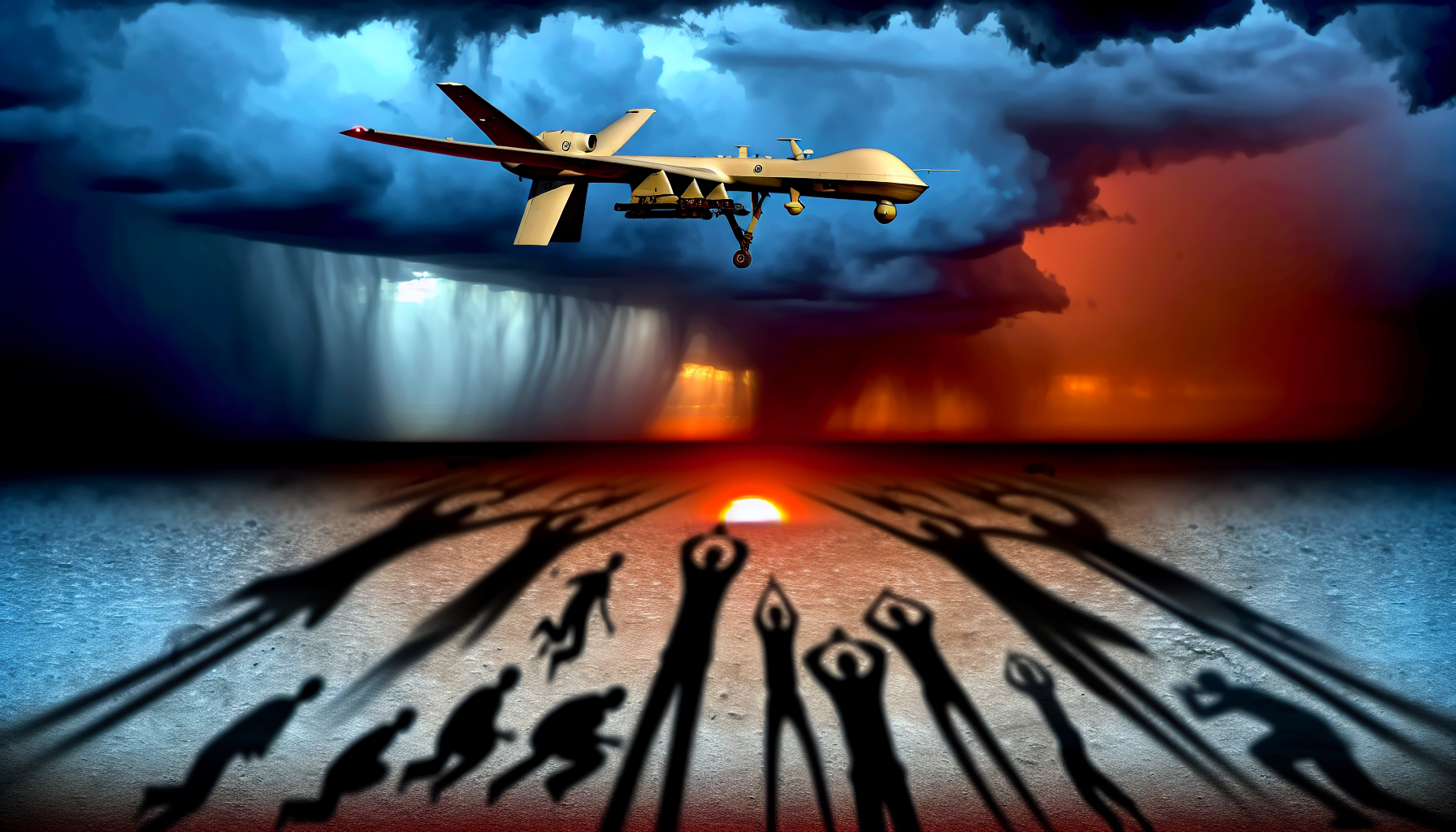
On what would be the last day of his life, Zemari Ahmadi, an employee of a U.S.-based NGO, found himself being watched by a remote crew piloting a Predator drone high above Kabul, Afghanistan. Oblivious to the fatal implications of his mundane errands, Ahmadi loaded water containers into his car — a moment misread by drone operators as preparations for a suicide bombing. Hours of surveillance culminated in a decision: a Hellfire missile struck his vehicle as he arrived home to greet his three children, ending not just his life but those of nine other innocent civilians.
The Untold Story of Innocent Victims
While the tragic deaths of Ahmadi and his family garnered media attention, they represented a broader tragically common reality in the U.S. drone warfare landscape. This incident reflects a chilling aspect of modern killing: the dislocation of human oversight in warfare, where the remote executioners sit thousands of miles away, safely ensconced in control rooms. This level of detachment raises ethical questions about accountability and the true nature of such military actions.
The Nature of Drone Warfare
Armed drones now represent a standard tool in U.S. military interventions, presenting a unique phenomenon where operators engage targets without the mortal risks traditionally faced in battle. Drone operators have become akin to judicial figures, issuing death sentences based on surveillance rather than tangible threat assessments. This model of warfare operates under a disturbing premise: that targeted killings detached from the battlefield could redefine concepts of justice and morality in conflict.
Insights from Experts
Two recent publications tackle these challenging issues. Wayne Phelps’ “On Killing Remotely” draws on extensive interviews with drone operators and explores their psyche, revealing the profound emotional burdens they often bear. In stark contrast to the video game imagery associated with drone strikes, many operators develop complex relationships with their targets, gaining intimate knowledge about their families and daily lives before executing a strike. Such long-term surveillance creates a disconcerting familiarity that complicates the act of killing.
Neil Renic’s “Asymmetric Killing” delves into the philosophical implications of drone strikes, arguing that these attacks create a stark imbalance of power. By enabling one side to strike from a position of absolute safety, the traditional dynamics of warfare shift toward a troubling and asymmetrical reality. Renic emphasizes that the ease with which targets are eliminated disregards the principles of just war theory, leaving civilians vulnerable and unprotected.
The Psychological Toll on Operators
Phelps illustrates the emotional complexity faced by drone operators. Anomalies arise out of their intimate surveillance, often resulting in psychological distress. For example, operators might witness the aftermath of strikes, including the grief of family members left behind. One operator articulated their haunting experience: observing a child collecting the remains of their father struck down by a missile. The realization that their actions have a profound impact on innocent lives creates a moral dilemma more complicated than mere compliance with orders.
The Distorted Reality of Targeted Killing
The emotional toll doesn’t stop with the operators; the ramifications extend to the communities affected by these strikes. In Afghanistan, the reality of living under the shadow of drone warfare breeds fear and resentment. The U.S. military’s strategic focus on increasing “kill counts” in regions like Helmand Province reveals a concerning trend: targeting individuals based on their mere presence rather than any operational threat they might pose.
The Pentagon’s admission of responsibility for the Ahmadi strike, followed by a lack of accountability for those who executed it, amplifies this narrative. This suggests a systemic failure to recognize and address the moral implications of drone strikes, particularly when innocent civilians are involved.
Moral Dilemmas and Future Challenges
As drone warfare advances, the potential for further automation looms large. The risk entailed in autonomous weapons systems threatens to remove even the human element from life-and-death decisions. Phelps cautions against this trajectory, emphasizing the necessity of human engagement in warfare to maintain a sense of accountability and responsibility.
The Call for Accountability
While the U.S. military acknowledges its operations resulted in civilian deaths, the ongoing lack of punitive measures serves to undermine any semblance of accountability. Emal Ahmadi, Zemari’s brother, poignantly expressed the inadequate nature of mere apologies: “Whoever did this should be punished. It isn’t right.” His words echo the call for a reevaluation of ethics in warfare — one that prioritizes civilian life and seeks to reconcile the horrors inflicted upon innocent people in the name of combat.
In this complex landscape of drone warfare, reflecting on the consequences of actions thousands of miles away is crucial. Each life lost in this new form of combat must encourage deeper conversations about ethics, accountability, and the moral responsibilities of waging war.