


Gamifying Warfare: The Ukrainian Military’s Innovative Point System
Imagine a gamer immersed in a heart-pounding match of Call of Duty, headset on, eyes fixated on the screen. He skillfully navigates the virtual battlefield, targeting enemies with precision. A well-aimed shot brings down his last opponent, culminating in a victory that rewards him not only with experience points but also with battle tokens—special in-game currency unlocking exclusive cosmetics and weapon blueprints. The underlying philosophy is straightforward: earn points to gain rewards, enhancing performance and potential for future victories.
Now, this concept is extending beyond video games and into the realm of real-world conflict. The Ukrainian military is reportedly implementing a gamified point system to foster troop motivation and efficiency against the ongoing challenges posed by Russian forces. This innovative framework, akin to mechanisms in popular video games, aims to transform how military personnel engage with their missions.
The Army of Drones Bonus
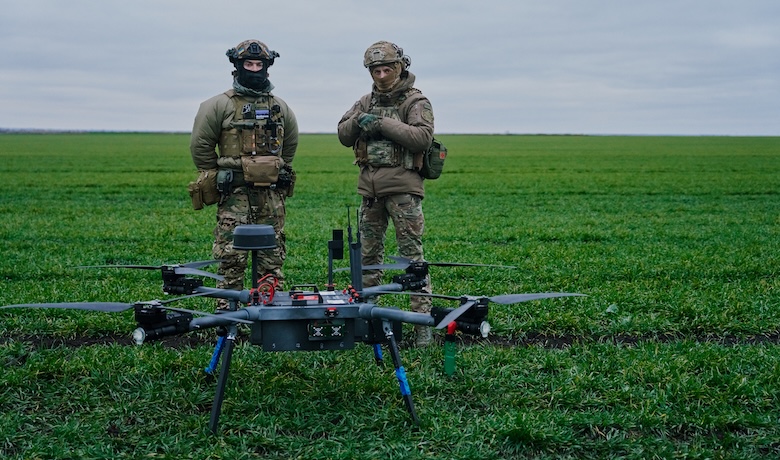
This initiative, known as the “Army of Drones Bonus,” allows Ukrainian drone operators to accrue points through successfully executed attacks, validated via video recording. This gamified approach motivates soldiers to excel in their roles, with successful operators able to trade their points for enhanced munitions, hardware, and technological upgrades. This system isn’t just a playful twist on combat; it’s a strategic move to bolster Ukraine’s military capabilities swiftly.
The infrastructure provided by platforms like the Brave1 Marketplace is pivotal. It facilitates direct communication between front-line units and defense tech manufacturers, bypassing bureaucratic delays that can hinder rapid response in combat scenarios. This direct channel allows unit leaders to request the necessary advancements quickly, ensuring that innovations get to the battlefield without unnecessary red tape.
Encouraging Compliance with the Law of Armed Conflict
A crucial aspect of this point system is its potential to reinforce compliance with the Law of Armed Conflict (LOAC). One of LOAC’s fundamental principles is distinction—the necessity to differentiate between combatants and civilians. The mandate for video documentation of drone strikes not only serves as a record but also strengthens this principle by ensuring visual proof that operations were executed against legitimate military targets.
Moreover, this emphasis on video evidence creates a robust method for after-action reviews, enabling the military to scrutinize actions taken during combat. This system not only acts as a deterrent against unlawful conduct but also supports compliance with international legal standards concerning conflict.
Evidence Preservation and Accountability
While LOAC does not explicitly require comprehensive evidence preservation, several articles imply the need for gathering such information to facilitate investigations into war crimes. Ukraine’s point system effectively integrates a mechanism that encourages accountability among soldiers. By documenting operations, the military can respond proactively to any allegations of unlawful conduct, as the record created by this system can be thoroughly examined.
Furthermore, compliance with LOAC enhances operational efficacy. As the point system appears to reward only those actions deemed lawful, it incentivizes soldiers to adhere closely to military protocols and rules of engagement. However, there remain concerns that troops might rush to secure points, prioritizing speed over thorough decision-making.
Balancing Ethical Concerns
The increased reliance on gamified warfare raises significant ethical questions. Just as video games can desensitize players to violence, there is a risk that drone operators might become numb to the gravity of their actions when incentivized through a point system. While the need for accountability in military operations is paramount, the transformation of such serious actions into a game-like format could trivialize the ethical considerations inherent in armed conflict.
Yet, this concern isn’t unique to Ukraine; it’s a common theme in modern military engagements involving drones and remote warfare. With distance often reducing emotional engagement, the point system may paradoxically encourage soldiers to reflect more rigorously on their actions, given the requirement for proof that their strikes were justified.
Technological Integration and Procurement
The point system also offers operational benefits by streamlining military procurement. By consolidating purchases through this rewards framework, the Ukrainian military can prevent unauthorized acquisitions that pose cybersecurity risks. This targeted approach ensures that all hardware acquired is properly vetted and secured, ultimately enhancing national defense integrity.
Additionally, aligning logistically sound procurement with successful combat operations fosters a more disciplined military environment. Soldiers understand that compliance with LOAC is not just a requirement; it’s integral to achieving combat effectiveness.
Learning from Experience
Ukraine’s model, though innovative, is not without precedents. The U.S. military’s use of helmet cameras and drone footage in various theaters has demonstrated the value of real-time documentation for tactical learning and legal compliance. Similarly, past engagements in Iraq and Afghanistan have highlighted that video evidence can clarify ethical dilemmas and support accountability in military operations.
By marrying this approach with a structured incentivization system, Ukraine is ushering in a new era of military operations that may redefine the norms governing modern warfare.
As warfare continues to embrace digital tools and technological advancements, the Ukrainian military’s implementation of a gamified system represents a progressive step toward integrating compliance mechanisms into tactical frameworks. Although challenges remain, particularly around the ethical implications, this model holds promise for redefining not just how soldiers engage in combat, but also how they adhere to the principles that govern warfare itself.