


A New Wave of Attacks: The Ongoing Conflict in Ukraine
As tensions in Eastern Europe continue to escalate, Russia has recently intensified its military offensive against Ukraine, deploying a significant barrage of missiles and drones. This escalation comes at a critical moment, coinciding with ongoing talks involving U.S. officials aimed at mediating an end to the nearly four-year conflict.
Recent Developments in Diplomatic Talks
U.S. President Donald Trump’s advisers and Ukrainian representatives have met to discuss a security framework for Ukraine in the wake of the ongoing hostilities. This series of negotiations is an attempt to forge a path toward a lasting resolution, with Trump emphasizing the necessity of U.S. mediation in the peace process. However, both sides acknowledge that meaningful progress hinges on Russia’s willingness to demonstrate a sincere commitment to peace.
The talks have seen notable participation from special envoy Steve Witkoff, Trump’s son-in-law Jared Kushner, and Ukrainian negotiators Rustem Umerov and Andriy Hnatov. They expressed cautious optimism following two days of discussions but underscored the complexities, particularly Russia’s rigid stance on territorial concessions.
A Night of Terror: Missile and Drone Strikes
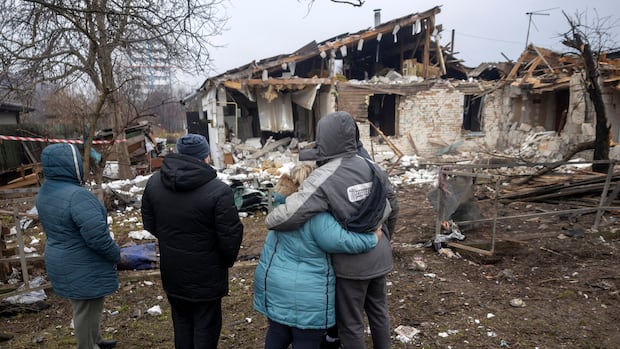
The most recent assault saw Russia launch a staggering 653 drones and 51 missiles against Ukraine, triggering widespread air alerts across the nation. This attack occurred as Ukraine commemorated Armed Forces Day, amplifying the somber atmosphere surrounding military service and sacrifice. The Ukrainian air force reported that they successfully intercepted 585 drones and 30 missiles, although 29 locations suffered hits, resulting in injuries to at least eight individuals.
Targeting Infrastructure: A Broader Strategy
Among the strategic targets were energy facilities critical for Ukraine’s infrastructure. The attacks caused the Zaporizhzhia nuclear power plant to temporarily lose all external power, raising alarms over nuclear safety. Although the plant is currently not operational, it remains vital to ensure that cooling systems for shut-down reactors and spent fuel remain functional to prevent a potential disaster.
Ukrainian President Volodymyr Zelenskyy condemned the attacks, emphasizing their destruction of critical energy infrastructure—including a drone strike that incinerated a train station in Fastiv.
The Geopolitical Landscape: A Broader Context
As the conflict escalates, geopolitical ramifications are unfolding. The ongoing military actions have spurred European nations to bolster their defense capabilities in light of perceived Russian aggression. This growing unease is manifesting in various forms of military preparedness and strategic alliances.
As part of this diplomatic backdrop, French President Emmanuel Macron is scheduled to meet Zelenskyy and other European leaders. Macron reiterated unwavering support for Ukraine, emphasizing that security guarantees are essential for achieving lasting peace, which is intrinsically linked to the broader stability of Europe.
Ukrainian Counteractions: Striking Back
In response to the sustained assaults, Ukraine has reportedly launched drone attacks targeting facilities within Russia, including a recent strike on a fuel refinery in Ryazan. This operation aims to hinder Russia’s oil revenue, which is crucial for sustaining its military efforts in Ukraine. While the Russian government claims to have intercepted several Ukrainian drones, the conflict’s back-and-forth nature highlights a broader strategy of undermining each other’s operational capabilities.
Conclusion
The ongoing situation in Ukraine encapsulates a turbulent blend of military conflict, diplomatic initiatives, and global implications. As Ukraine grapples with the dual pressures of defending its territory and pursuing peace through negotiation, the international community remains attentive to the unfolding events. Whether a viable path toward resolution emerges hinges on a complex interplay of local and international dynamics.