



Rising Tensions in Taiwan: Insights on China’s Recent Military Drills
Situation Overview
Taiwan remains on high alert following a series of extensive military exercises conducted by China around the island. This ongoing tension has sparked significant concern both regionally and globally, particularly among Western allies such as the European Commission and the United Kingdom. According to Taiwan’s coast guard chief, the emergency maritime response center will remain operational until a formal declaration from Beijing indicating the end of these exercises.
China’s Military Exercises
The military drills, which are referred to as “Justice Mission 2025,” saw China firing multiple rockets aimed at demonstrating military prowess. These exercises featured an impressive array of naval and aerial deployments near Taiwan, showcasing China’s growing military capabilities.
In the lead-up to these drills, Taiwan’s defense ministry reported 77 Chinese military aircraft and 25 naval vessels operating in close proximity to the island, with 35 aircraft breaching the median line of the Taiwan Strait—a line long regarded as a de facto border between Taiwan and China.
Taiwan’s Response
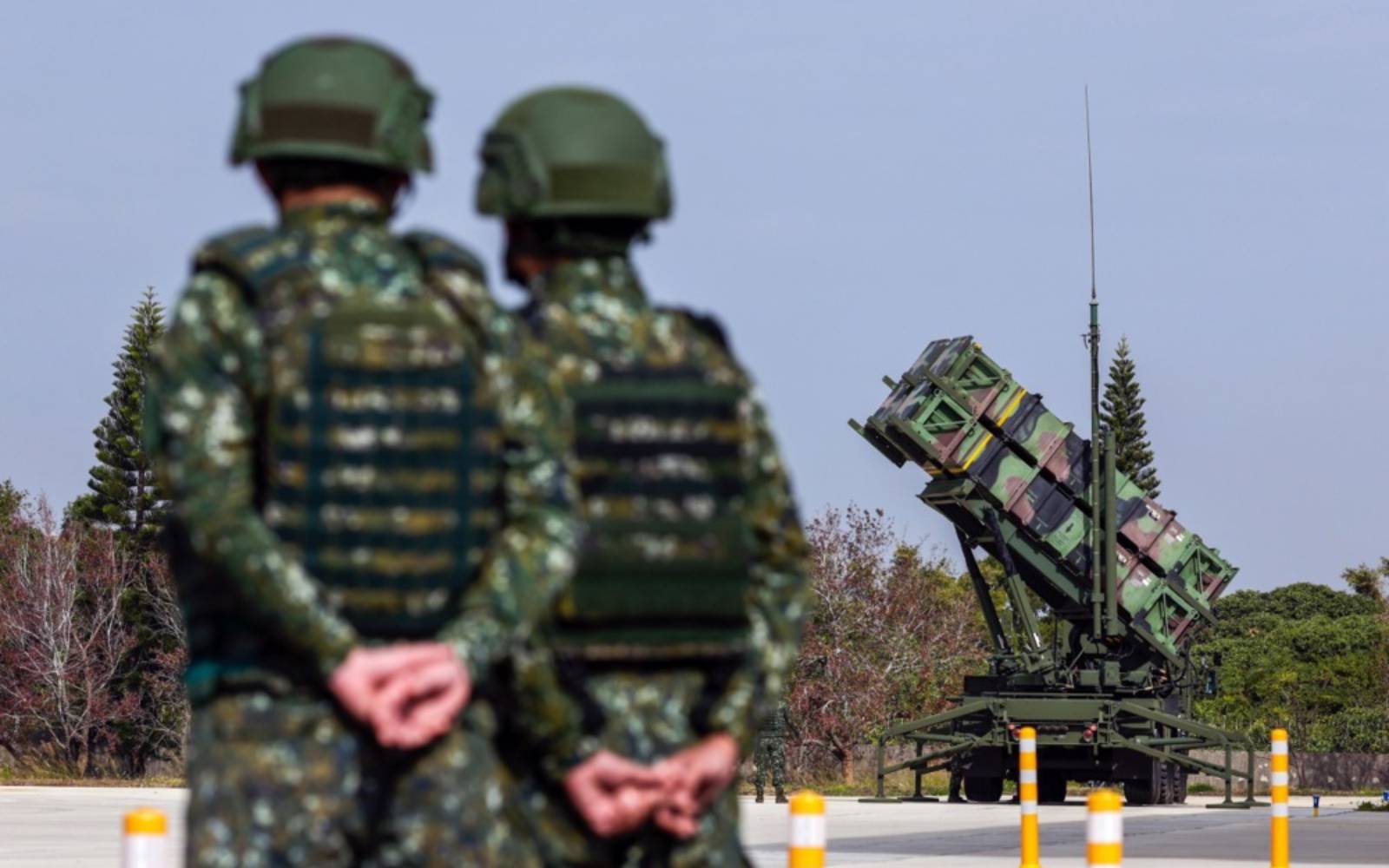
Taipei has responded vehemently to these aggressive maneuvers, denouncing them as a blatant provocation and a threat to regional security. Taipei has quickly mobilized its defense resources, canceling numerous domestic flights and deploying jets and warships to monitor the situation. Troops were visibly engaged in rapid-response drills across various locations, reinforcing Taiwan’s commitment to safeguarding its sovereignty.
Kuan Bi-ling, head of Taiwan’s Ocean Affairs Council, noted that while the maritime situation appeared to be calming—with Chinese ships moving away—Taiwan would be vigilant until receiving official communication from Beijing regarding the conclusion of the exercises.
International Reactions
The military drills attracted considerable attention from the international community. Western leaders expressed deep concern over China’s escalating military rhetoric and maneuvers. The drills occurred just days after the United States announced a record arms package worth $11.1 billion for Taiwan, a move that has heightened tensions between Washington and Beijing.
China’s state-owned news agency, Xinhua, summarized the key takeaways from the exercises, emphasizing a simulated encirclement of Taiwan aimed at “pressing and containing separatist forces.” This strategic show of force underscores China’s firm stance regarding its claims over Taiwan, which it views as a rebellious province destined to reunite with the mainland.
The Blame Game
In the backdrop of these military actions lies the longstanding narrative of sovereignty and self-determination. China asserts its claim over Taiwan, refusing to rule out the use of force to unify the island with the mainland. On the other hand, Taiwan vigorously rejects these claims, identifying itself as a sovereign entity. This ideological conflict significantly complicates the relationship between the two regions, with military drills serving as a catalyst for increasing hostility.
Conclusion
As Taiwan stands resiliently against external pressures, the situation remains fluid. With military readiness on high alert and international eyes scrutinizing developments, the ongoing scenario will likely continue to shape regional politics and security dynamics.