


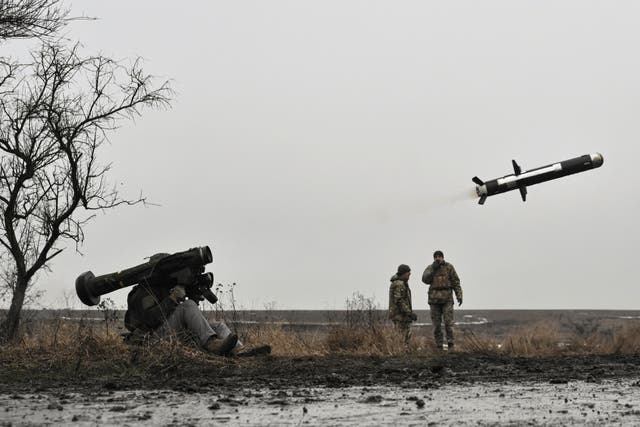
In Pictures: Ukrainian Forces Train Near Frontline in Zaporizhzhia Region
In the heart of the ongoing conflict between Ukraine and Russian forces, the Ukrainian Armed Forces continue their training efforts to bolster their capabilities. Recently, members of the 65th Separate Mechanized Brigade were observed engaging in military exercises at a training ground in close proximity to the frontline in the Zaporizhzhia region. This initiative is part of Ukraine’s broader strategy to prepare its troops for the realities of modern warfare amidst heightened tensions.
One notable image captures a soldier meticulously firing a Javelin anti-tank missile system, symbolizing the commitment and preparedness of the Ukrainian forces. With the conflict showing no signs of abating, these exercises are critical not only for skill enhancement but also for boosting the morale of the troops. The vibrant atmosphere of determination and focus was palpable as these servicemen carried out their training, signifying their readiness to defend their homeland against aggression.
The images from this exercise serve as a stark reminder of the ongoing conflict. The dedication of these soldiers reflects a larger narrative—one of resilience and the fight for sovereignty in the face of overwhelming odds.
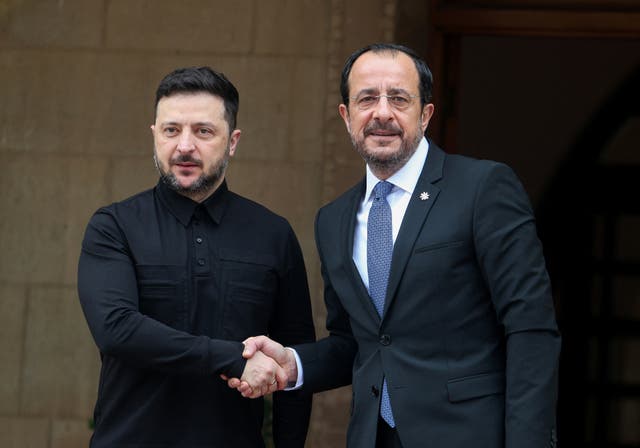
Diplomatic Movements: Zelensky Meets Cypriot President
In a significant diplomatic engagement, Ukrainian President Volodymyr Zelensky met with Cypriot President Nikos Christodoulides in Nicosia. This meeting coincided with Cyprus’ assumption of the European Union’s rotating presidency, marking a pivotal moment for Ukraine’s aspirations for EU membership. Zelensky emphasized the importance of this presidency, expressing hopes for advancing Ukraine’s accession discussions during this crucial six-month period.
In statements following the meeting, Zelensky highlighted the urgency of bolstering sanctions against Russia, advocating for measures that would continue to hold the aggressor accountable for their actions. This cooperation with Cyprus signifies the strategic alliances Ukraine is forming as it navigates its path toward potential EU integration. Both leaders underscored the need for robust support for Ukraine amidst the ongoing conflict, with Christodoulides reiterating Ukraine as a “central priority” during Cyprus’s EU presidency.
Analysis: International Tensions Rise over Oil Seizures
Amidst escalating international tensions, the United Kingdom has found itself entangled in a complex situation involving the seizure of a Russian-flagged oil tanker. British RAF spy planes and submarine hunters monitored the situation closely as US special forces targeted the empty Marinera, previously known to operate under Venezuelan flags. This dramatic turn of events underscores the intricate geopolitical landscape, dramatically shifting as countries vie for control over critical resources.
Attempts to board the Marinera showcase a high-stakes military operation that reflects not only on the immediate conflict but also on broader international relationships. The Kremlin’s condemnation of US actions highlights the precariousness of these diplomatic waters, as nations grapple with illegal oil transport in defiance of international sanctions.
The complexity deepens with the involvement of multiple naval forces, illustrating how the ramifications of the conflict extend beyond the immediate battlefield, threatening to embroil various countries in conflict over resources.
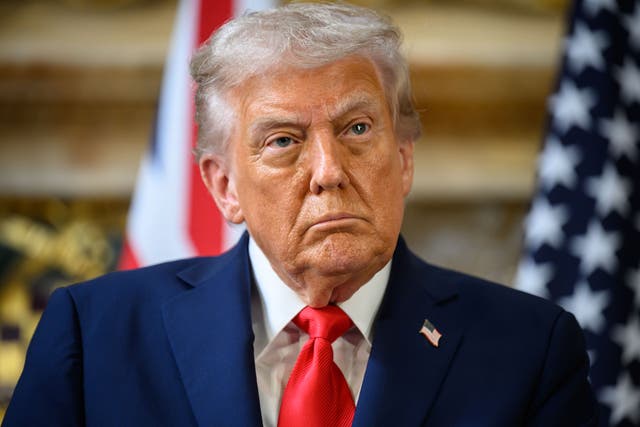
NATO Dynamics: Trump’s Perspective on Alliance Support
In a recent exposé on his social platform, former President Donald Trump shared his perspective on NATO’s financial responsibilities and military effectiveness. Claiming credit for securing NATO’s economic stability, Trump asserted that previous member nations had failed to meet their financial obligations until he took office. He argued that his leadership enabled significant growth in contributions, highlighting a crucial aspect of international relations—financial equity among allies.
Moreover, Trump’s commentary touches on the current perception of NATO’s deterrence capabilities against nations like Russia. He insinuated that without US participation, NATO’s robustness could be compromised, stating that “Russia and China have zero fear” of the alliance without the US. This narrative bolsters his position of prioritizing national interests, even at the expense of longstanding alliances.
Putin’s Holy Mission During Orthodox Christmas Service
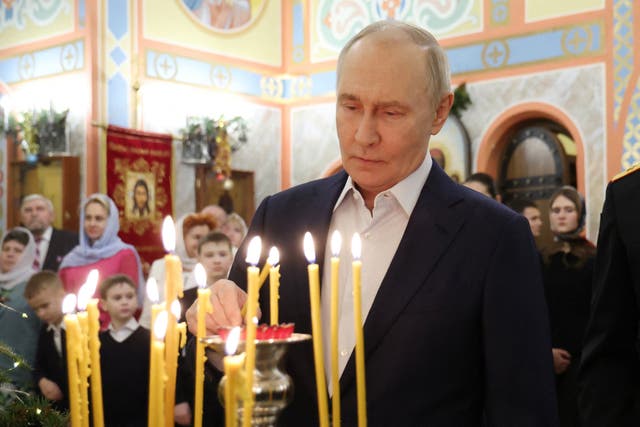
On Orthodox Christmas, President Vladimir Putin attended a service where he articulated his rationale for the invasion of Ukraine, framing it as a “holy mission.” This religious and cultural context intertwined with patriotic symbolism plays a crucial role in building domestic support for the ongoing conflict. Putin’s invocation of national and religious duty reflects a deliberate strategy to resonate with the traditional values found within Russian society.
His remarks during this service demonstrate an effective use of political theater combined with a spiritual narrative, reinforcing a sense of unity and purpose among Russian citizens. The blending of religious observance with political messaging is fundamental to Putin’s governance style, presenting the military actions as not just a strategic maneuver but a moral imperative.
Each of these developments—from the front lines in Zaporizhzhia to the diplomatic corridors of Nicosia, and the church services in Moscow—offers a lens into the multifaceted nature of the current geopolitical landscape. As these narratives unfold, they shed light on how military strategies, international politics, and cultural identity interplay within the ongoing conflict between Ukraine and Russia.