


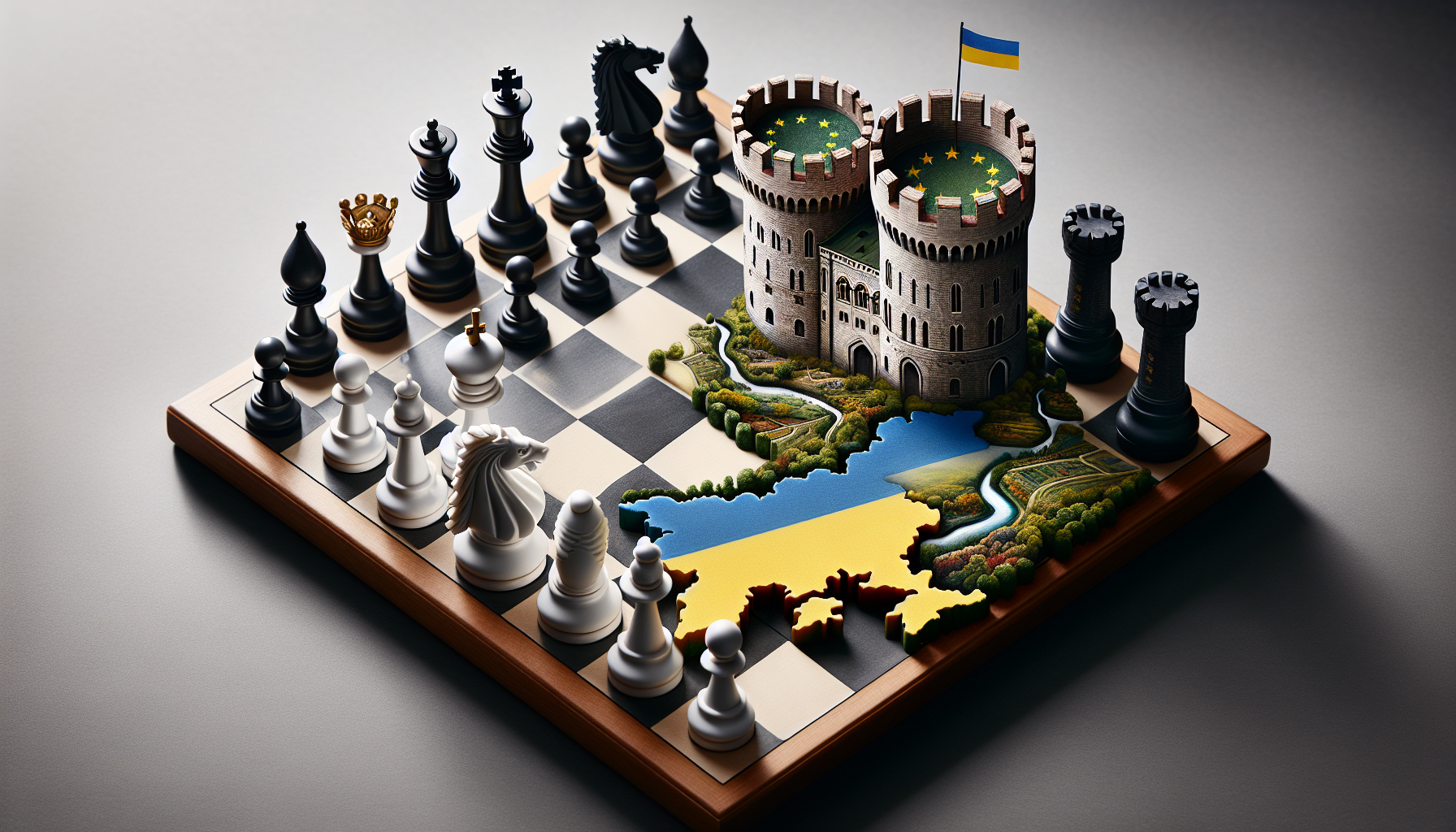
Is the UK Really Ready to Put Boots on the Ground in Ukraine? Britain’s Dwindling Military Might
As the geopolitical landscape continues to evolve, questions surrounding military commitments and capabilities have increasingly come to the forefront. Recently, UK Reform leader Nigel Farage sparked a lively debate about the UK’s readiness to deploy troops in Ukraine. He emphasized the dire state of Britain’s military resources with a pointed rhetorical question, “With what boots? What kit?” His remark underscores the broader concern over the UK’s ability to maintain an effective military presence amid reducing forces and depleted equipment.
The Current State of UK Military Readiness
The UK’s military has witnessed significant changes over the last decade, characterized by budget cuts and a downsizing of personnel. This reduction has raised alarms among defense analysts and military experts alike, who worry that Britain may not have the necessary resources to support extensive military operations abroad. The ongoing conflict in Ukraine further complicates the UK’s strategic defense posture, leading many to question whether Britain is prepared to engage directly.
A Historical Perspective: The UK Military’s Evolution
Britain has long merited recognition as a formidable military power. However, after two decades of military engagements in Iraq and Afghanistan, the strain on resources and manpower has become evident. The Ministry of Defence’s recent reports reveal an alarming trend of shrinking numbers in active-duty personnel, which provides insight into why Farage’s commentary holds weight. As the UK seeks to position itself as a key player in global defense, the realities of its military capabilities merit serious evaluation.
The Implications of Military Degradation
The implications of a dwindling military force extend beyond simple numbers. With a reduced headcount, the UK’s operational readiness is questioned, particularly as allies in NATO look to Britain for leadership and support. Furthermore, the quality of military kit—crucial for successful operations—has also come under scrutiny. Is the British military equipped with modern technologies and equipment to face sophisticated threats such as those posed by adversaries like Russia?
Upcoming Military Challenges
As the threat from Russia escalates—particularly with the use of advanced weaponry such as hypersonic missiles—Britain’s capacity to respond effectively is increasingly challenged. The recent reports of Russia’s Oreshnik missile strikes have highlighted the need for allies to revamp strategies to meet these sophisticated threats. In this context, the question of whether Britain can realistically commit boots on the ground becomes more pressing.
Public and Political Sentiment on Military Involvement
Public opinion varies regarding military involvement in foreign conflicts. While many support helping Ukraine, the idea of deploying troops is a contentious one. Concerns about casualties, financial costs, and the potential for broader conflict loom large in public discourse. Consequently, politicians face the difficult task of balancing national sentiment with strategic necessity.
Political Responses and the Path Forward
The discourse surrounding a possible troop deployment is not merely rhetorical; it’s deeply connected to ongoing political negotiations and military strategies. UK Prime Minister Rishi Sunak has laid out a vision for the UK’s involvement in supporting Ukraine, prioritizing logistical and military aid rather than direct troop deployments for the time being. This approach allows Britain to respond to the crisis while mitigating potential backlash against ground involvement.
Military Aid versus Boots on the Ground
As discussions progress regarding Ukraine’s needs for military support, the focus has shifted towards providing equipment, training, and logistical assistance rather than direct military engagement. This strategy aims to bolster Ukraine’s defenses while allowing the UK to maintain a safer distance from direct combat scenarios. Such support could include advanced weapon systems, intelligence sharing, and training for Ukrainian forces.
Future Considerations for the UK Military
Looking ahead, the UK faces critical choices regarding its military strategy and international commitments. With looming threats globally, the nation must consider how to rebuild its military capabilities while ensuring it meets the obligations that arise from its alliances. The need for modernized equipment, increased personnel, and strategic partnerships will be essential for the UK to maintain a viable military stance.
Conclusion
While the debate around deploying UK troops in Ukraine continues to engage both leaders and citizens alike, the primary concern centers on the military’s current capability. Based on Farage’s remarks and emerging geopolitical realities, it is evident that the UK’s military must adapt to meet growing challenges and expectations—both at home and abroad. The evolving dynamics surrounding military readiness, public sentiment, and international relations will undoubtedly shape the UK’s approach moving forward.