


Advancing Air Defense: A Live Unmanned Aerial System Demonstration at Fort Hood
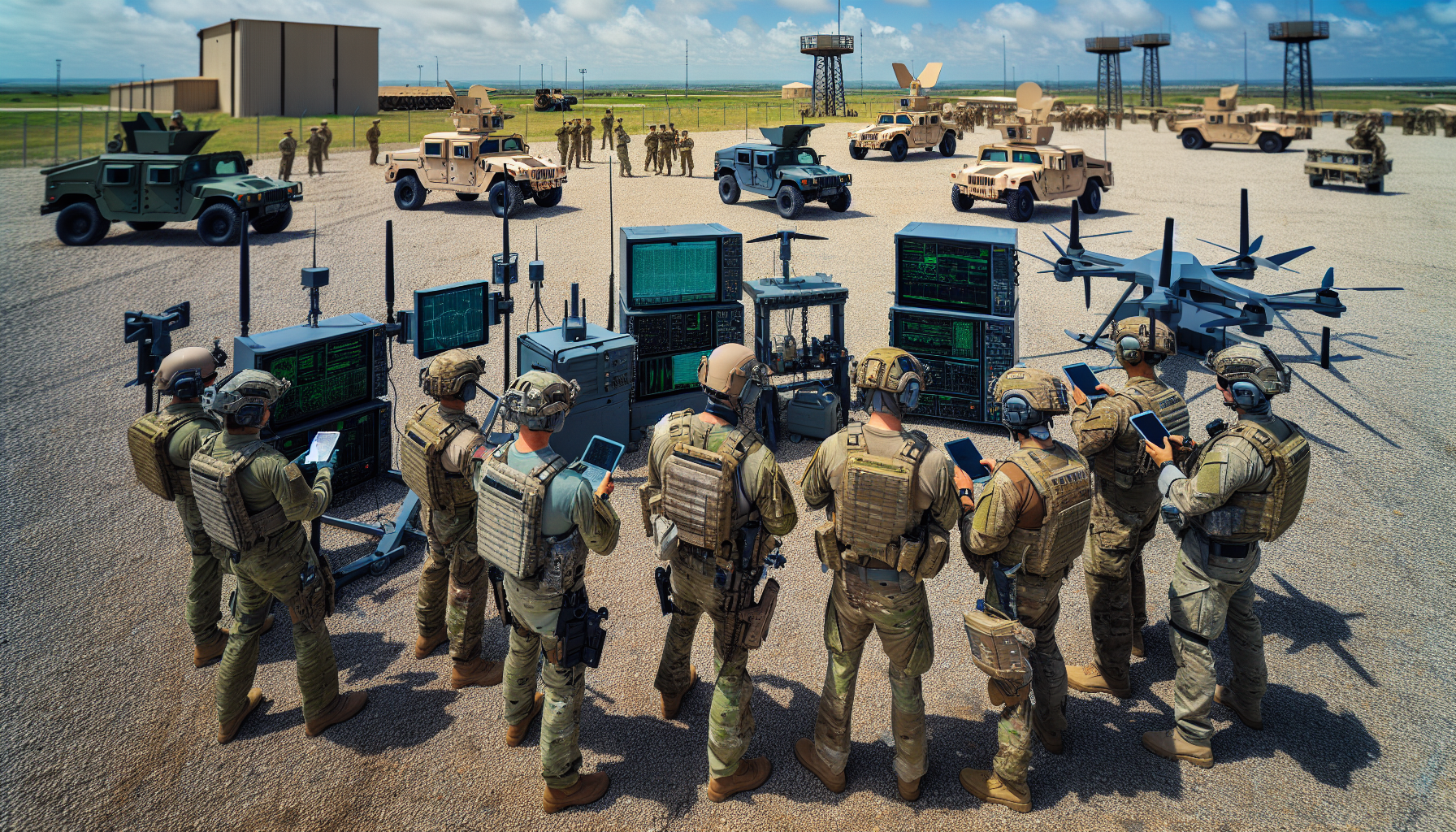
On January 29, 2026, soldiers from the 6th Battalion, 56th Air Defense Artillery Regiment participated in a significant training event at Fort Hood, Texas. This live demonstration of unmanned aerial systems (UAS) wasn’t just another day of drill; it was a strategic exercise designed to hone skills in countering the evolving threat posed by drones—an increasingly critical component of modern warfare.
Collaboration with Civilian Operators
A unique aspect of this event was the collaboration with civilian personnel who operated the drones. This partnership allowed military crews to gain valuable experience and insights from non-military operators, showcasing how effective cross-domain training can be. The opportunity to engage with live drone flights gave soldiers the vital hands-on experience needed to improve their response times and operational effectiveness.
“Every live track helps our Soldiers get faster and more lethal,” emphasized 1st Lt. Martin Ocampo, a platoon leader in Delta Battery. This sentiment highlights the significance of realistic training sessions, where soldiers can practice identifying, classifying, and neutralizing threats under conditions that mirror real wartime scenarios.
Comprehensive System Operation
The drill enabled troops to fully deploy their advanced air defense systems, including KU-band radar, Coyote interceptors, 30 mm and M240B weaponry, as well as electronic jamming devices. This comprehensive setup allowed crews not only to detect unmanned aerial vehicles (UAVs) but to engage them effectively. Observers from III Armored Corps and the 1st Cavalry Division Artillery were on hand to witness firsthand how well these systems responded to the complexities of live drone flights.
“Our aim was to observe how our gear detects, classifies, and responds to drone threats,” Ocampo elaborated. Such extensive training is paramount, particularly as drones become more central to military engagement strategies.
Insights from the Drone Operators
The training session featured two one-way attack UAV platforms, exposing soldiers to various operational scenarios in contested environments. Soldiers like Spc. Noel Stoehr, who flew one of the drones, pointed out the difficulties involved in operating these systems. “The drone was intuitive to operate, but the attack run requires a lot of skill,” he explained. “Keeping the target centered is difficult as you close in.” These challenges underscore the importance of integrating new technologies with traditional military tactics.
Stoehr noted that the advancements in drone technology have significant implications for fire support operations. Traditional methods often necessitate close proximity to enemy lines, whereas drones can allow forces to observe from a safer distance and even engage targets if required.
The Role of AI in Modern Warfare
The event wasn’t just about practicing existing skills; it also served as a platform for discussing the future of warfare. Chief Warrant Officer 2 Andrew Westerberg highlighted the role of emerging AI-enabled drones in enhancing Army operations. “This event tied emerging UAV threats into the fires warfighting function,” he commented. By understanding how these technologies interact with battlefield formations, military leaders can better prepare for future integrations and challenges.
The demonstration confirmed that real-time tracking of UAVs can significantly improve the operational capabilities of air defense units. Leaders from III Armored Corps observed how effectively the 6-56 ADA Battalion tracked these drones, laying the groundwork for future counter-UAS strategies that will be essential for maintaining air superiority.
Training for Tomorrow’s Challenges
As the training concluded, the insights gained would undoubtedly inform not only immediate operational strategies but also shape the future of the Army’s counter-UAS approach. By blending experience with innovative technology, the military is setting a precedent for how to adapt and prepare for the evolving landscape of combat.
The investment in such realistic training exercises signifies a commitment to maintaining readiness in an era where technological advancements are rapidly changing the dynamics of warfare. Each drone flight, each live engagement, and each lesson learned adds another layer of preparedness for soldiers tasked with safeguarding their forces.