


markdown
### The Evolving Role of Drones in Modern Warfare: A Look at Ukraine’s STRIX RUBpAk UAV Unit
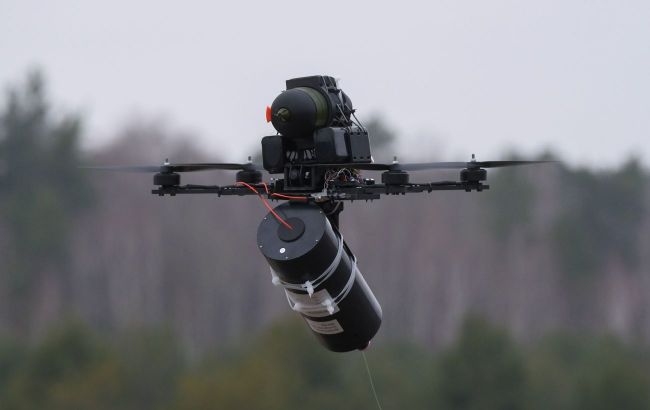
In the ongoing conflict in Ukraine, the use of Unmanned Aerial Vehicles (UAVs) has become a critical element in the nation’s defense strategy. Particularly noteworthy are the actions of the STRIX RUBpAk UAV unit from the 4th Border Detachment of the State Border Guard Service of Ukraine. These operators are making significant strides in the battlefield, methodically targeting enemy combat assets in the Southern-Slobozhanskyi direction.
#### Precision Strikes and Tactical Impact
According to reports, the STRIX FPV drone operators have demonstrated exceptional operational capabilities, successfully destroying a Murom-M radar system, two communication antennas, and an escort vehicle that was transporting personnel. The precision of these drone strikes is not just a matter of technological advancement; it reflects a tactical shift in warfare where aerial reconnaissance can determine battlefield outcomes with high accuracy. Furthermore, the ongoing impact of these strikes can be seen through the significant damage inflicted on enemy tanks, showcasing the effectiveness of drones in armored warfare.
#### Documenting the Battlefield
The State Border Guard Service has been proactive in sharing video footage that chronicles the impacts of these drone strikes. This transparency not only boosts morale among Ukrainian forces but also serves to inform the public and international community about the frontline dynamics. The footage illustrates the destruction of enemy equipment and highlights the footprints of warfare by capturing instances where enemy personnel have been neutralized. Such documentation plays a dual role, both as a morale booster for the troops and as a communication tool to relay the realities of the conflict to the broader world.
#### Broader Context of UAV Utilization
On January 13, the significance of drone warfare was further underscored when unidentified drones attacked three Greek-owned oil tankers in the Black Sea, emphasizing the multifaceted application of UAV technology. These vessels were en route to the Caspian Pipeline Consortium terminal for oil loading, revealing the extensive reach of aerial capabilities in disrupting logistics and supply lines. This operation not only affects commercial entities but also symbolizes the broader international implications of the conflict, showcasing how regional disputes can have global ramifications.
#### Strikes Beyond Combat Operations
In addition to direct military targets, drones have also been employed to strike critical infrastructure and supply points. On the same day as the tanker attacks, the Unmanned Systems Forces effectively targeted energy facilities in occupied Mariupol, along with an ammunition depot in Makiivka. Such strikes indicate a strategic approach to crippling the enemy’s operational capabilities by targeting resources essential for sustaining military efforts. Notably, the General Staff confirmed a successful missile and drone strike on a UAV production facility in Taganrog, which resulted in damage to the workshops of the Atlant-Aero plant. This move not only halts the production of enemy UAVs but also sends a message regarding the vulnerabilities within the enemy supply chain.
#### The Future of Warfare
The developments seen through the STRIX RUBpAk UAV unit exemplify a significant evolution in modern warfare. With drones capable of executing high-stakes operations with precision, the battlefield is transforming into a digital theatre where traditional tactics increasingly give way to technological advancements. As countries continue to invest in drone technology and expand their aerial capabilities, the dynamics of conflict will likely shift further, marking a new era in military strategy.