


Ukraine Downs 53 Drones as Russia Launches Major Overnight Attack
In a dramatic escalation of tensions, Ukrainian air defenses showcased their resilience during a major overnight assault by Russian forces on January 15-16. This attack, which involved the launch of 76 drones — the majority of which were Iranian-designed ‘Shahed’ models — highlighted both the strategic reliance on drone warfare and the evolving nature of the conflict between Russia and Ukraine.
The Scale of the Attack
The assault began late in the evening on January 15, continuing into the dawn of January 16. Drones were launched from various regions, including Russia’s Kursk and Oryol, as well as the occupied city of Donetsk. The diversity of the launch points signifies not only a coordinated approach by Russian forces but also presents operational challenges for Ukrainian defenders, who must monitor an extensive frontline. This multi-directional threat amplifies the strain on Ukrainian air defense systems and emphasizes the need for a proactive and adaptable defense strategy.
Ukrainian Air Defense Response
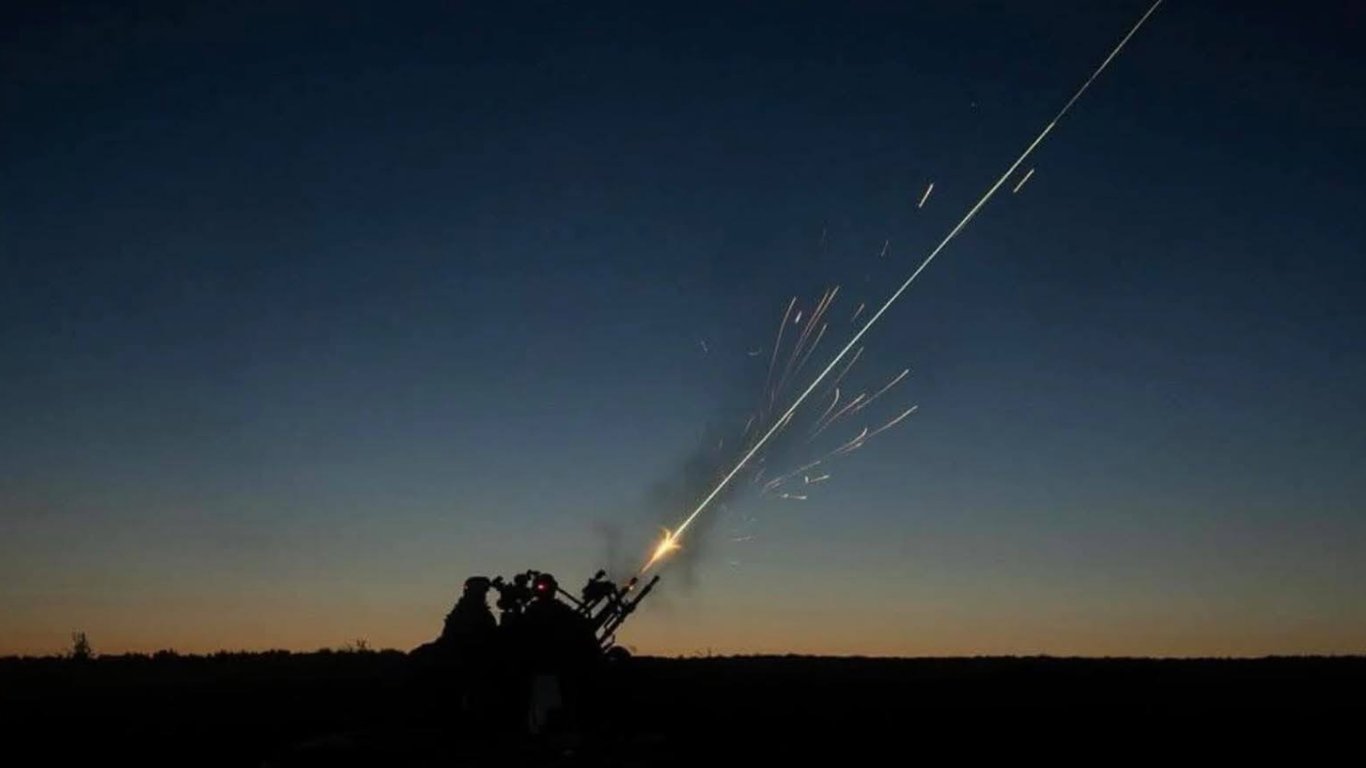
Amid this challenging scenario, Ukrainian air defense forces exhibited remarkable efficiency, successfully intercepting or disabling 53 of the 76 drones. The interception rate underscores the effectiveness of Ukraine’s defensive measures and reflects ongoing efforts to enhance air defense capabilities. The successful downing of so many drones not only mitigates immediate threats but also serves as a morale booster for both military personnel and civilians who face daily concerns over safety and security.
Impacts of the Drone Strikes
Despite the impressive interception figures, 19 of the attack drones managed to strike targets across nine different locations in Ukraine. These drone strikes have heightened fears regarding the ongoing threat to civilian infrastructure. Attacks on critical sites, whether residential areas or essential services, underline the relentless nature of this warfare. Each strike not only adds to the physical damage but also sows psychological distress among the populace, making it imperative for authorities to ensure robust defense mechanisms.
The Nature of Modern Warfare
The recent drone attack illuminates a trend in modern warfare where unmanned aerial vehicles play a pivotal role. For Russia, drone strikes have become a key tactic in their military operations, allowing them to extend their offensive capabilities while minimizing direct confrontations with Ukrainian forces. As aerial technology evolves, both sides are forced to adapt rapidly. The ongoing battle of drones represents a critical facet of this conflict, raising questions about the future of air power and ground-based defense strategies.
The Need for International Support
Given the persistence of these attacks, the incident further illustrates the urgent need for sustained international support in bolstering Ukraine’s air defenses. Enhanced capabilities, particularly in counter-drone technologies, can provide vital protection for civilians and critical infrastructure. As countries around the globe monitor the conflict, the call for assistance from Ukraine becomes increasingly vital to creating a more resilient defense posture amid ongoing threats.
The dynamics of this attack serve as a stark reminder of the complexities of contemporary warfare, where technology and strategy intertwine to shape the battlefield. With air defense remains a critical priority for Ukraine, the need for ongoing vigilance and innovation is paramount in facing a determined adversary in the skies.