


The Evolving Defense Strategies of Ukraine Against Drone Threats
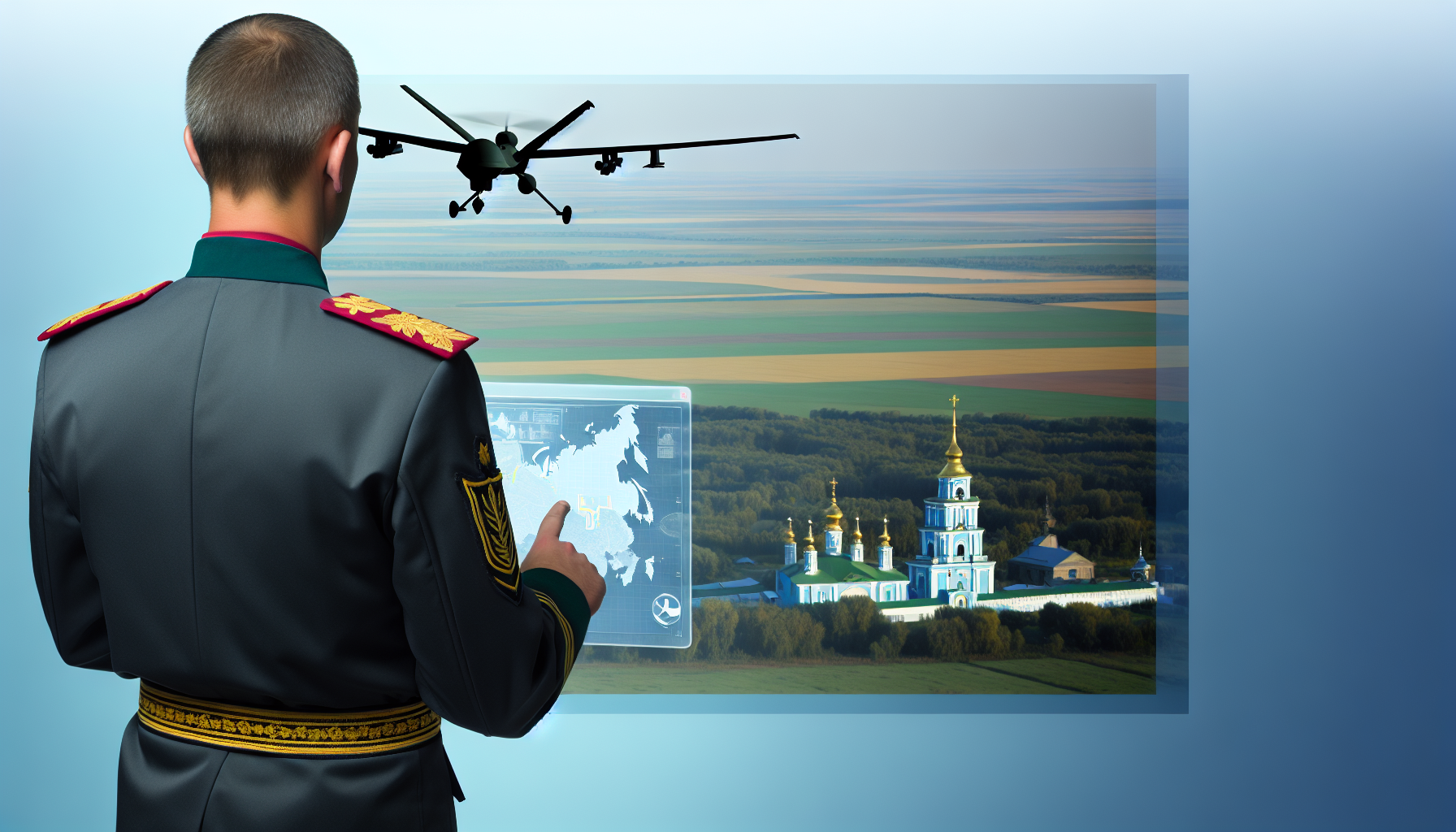
As the conflict intensifies, Ukraine finds itself on the 1,354th day of a full-scale war, adapting and strengthening its defenses against an ever-evolving threat: drones. Recognizing the complexity of modern warfare, Ukrainian authorities are considering the appointment of a dedicated commander for unmanned air defense systems. This leader would coordinate response efforts in crisis regions, ensuring a unified approach to air defense.
The current protection program for frontline cities is multifaceted, focusing on rapid threat detection, effective data collection, and the swift reduction of risks posed to residents and critical infrastructure. With drones becoming a prevalent tool for aggression, this initiative represents a proactive stance against aerial threats that increasingly challenge national security.
Integrating Technology for Enhanced Surveillance
Central to Ukraine’s defense strategy is the integration of modern surveillance capabilities. The system employs an array of tools, including advanced radar systems and optical sensors, to monitor airspace effectively. Additionally, the use of electronic intelligence helps in identifying and neutralizing potential threats before they can cause harm. This multi-layered approach serves as a crucial line of defense against hostile drone activity.
The program is designed not only to detect threats but also to intercept them. Advanced technologies are being developed to disrupt or neutralize control signals of hostile drones, significantly reducing their effectiveness as tools of warfare. The comprehensive nature of the system ensures that all angles of the threat are covered.
Coordination Between Military and Local Authorities
The initiative envisions the establishment of mobile and stationary command centers that facilitate rapid coordination among military units, local authorities, and the public. This synergy is vital for minimizing the impact on daily life in affected cities. By maintaining effective communication channels, the program aims to keep citizens informed and safe in the face of potential aerial threats.
These command centers are equipped for instant consultations, enabling swift response strategies tailored to specific incidents. This level of preparedness ensures that both military personnel and local communities can act quickly and efficiently, fostering a sense of unity during crisis situations.
Training and Continuous Improvement
A key factor in the program’s success hinges on the ongoing training of operators. Experts stress the importance of well-prepared personnel who can effectively manage and deploy defense systems during emergencies. This training extends beyond initial stages; it is a continuous process that includes refining threat recognition algorithms and keeping pace with new technological developments.
Moreover, establishing operational centers is pivotal for promoting interaction between military formations and the local populace during drone incidents. Such collaborative efforts are intended to bolster community resilience, enabling residents to contribute to their own safety actively.
Funding and Technical Compatibility
Experts point out that long-term success in this endeavor depends on adequate funding and ensuring the technical compatibility of various pieces of equipment employed in the defense network. The integration of diverse systems is paramount in creating a cohesive operational landscape capable of responding to heightened threats effectively.
Maintaining a high level of responsiveness in crisis situations is also essential. Continuous investment in research and innovation can significantly enhance the effectiveness of these defense measures, keeping pace with the rapidly changing dynamics of warfare.
A Commitment to Defense and Innovation
Ukraine’s proactive approach demonstrates a strong commitment to not only strengthening its defense capabilities but also safeguarding its airspace through innovative solutions. By emphasizing inter-agency coordination and seeking international support, the nation aims to create a comprehensive framework for air defense that stands resilient in the face of ongoing challenges.