


Precision Strikes by Aquila: A New Era in Drone Warfare
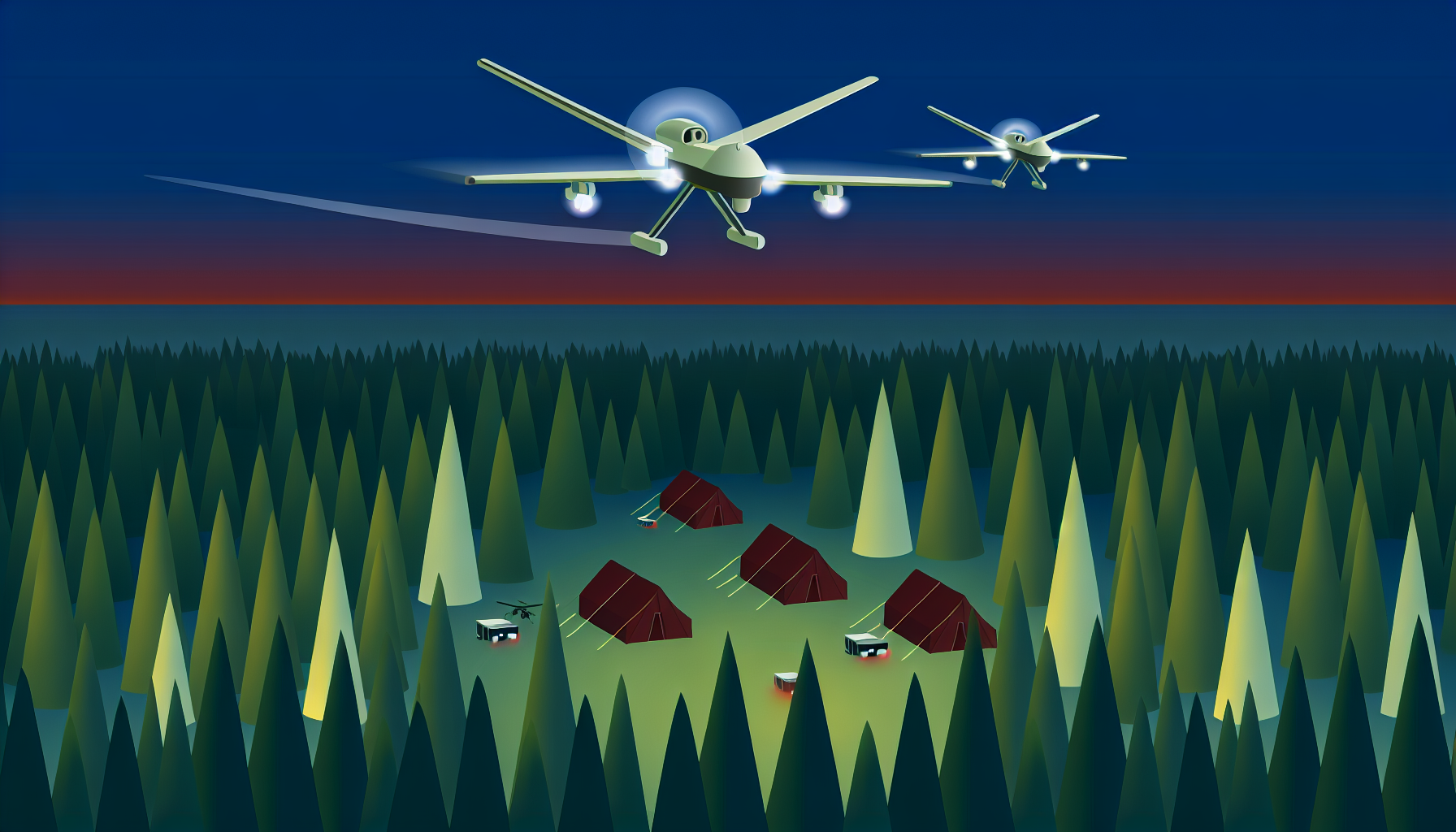
In a striking demonstration of modern aerial warfare, fighters from the Aquila strike drone company, part of the Steel Border detachment, have launched targeted strikes against Russian military targets in the Kursk and Northern Slobozhanshchyna sectors. This operation highlights not only the tactical prowess of Ukrainian forces but also the evolving role of drones in contemporary conflict.
Effective Utilization of Drones
According to reports from Ukrinform, the operation involved the use of both First-Person View (FPV) drones and bomber drones. These technological advancements empower pilots to deliver precise strikes that traditional warfare methods cannot achieve. The Aquila company has harnessed these drones effectively, conducting multiple attacks on enemy installations over the past day.
Video Evidence of Success
The State Border Guard Service released compelling video footage demonstrating the execution of these strikes. This transparency allows the public to visualize the impact of such operations and underscores the importance of drone technology in the current geopolitical landscape. Visuals from the field play a critical role in boosting morale among troops and civilians alike.
Strategic Targets
The recent strikes focused on Russian shelters and communication antennas—key components that support enemy logistics and operations. By targeting these elements, the Aquila squadron has disrupted the enemy’s ability to coordinate and respond effectively, thereby enhancing the overall strategic advantage of Ukrainian forces.
Important Intelligence
Intercepted radio communications from the battlefield have provided insight into the effectiveness of these operations. Reports indicate that at least two Russian servicemen were eliminated as a direct result of the drone strikes. Such intelligence not only validates the effectiveness of the strikes but also serves as an indicator of the changing dynamics on the ground.
The Role of Technology in Warfare
The evolution of drone warfare signifies a monumental shift in how countries engage in conflicts. UAVs (Unmanned Aerial Vehicles) like those employed by the Aquila company represent a new frontier in military strategy, offering flexibility, precision, and reduced risk to personnel. As evidenced by the recent operations, drone technology enables forces to conduct targeted missions with high levels of accuracy, reducing collateral damage and enhancing operational efficiency.
An Evolving Battlefield
As conflicts continue to unfold in Eastern Europe, the successful application of drone technology could set new standards for military engagement. The effectiveness of the Aquila strike drone company illustrates how smaller, agile units can leverage advanced technology to achieve significant operational outcomes, even against larger forces.
Rising International Attention
The ramifications of these developments extend beyond the immediate theaters of conflict, drawing international scrutiny and support. As countries observe the successes of drone warfare in Ukraine, discussions surrounding military aid, technological partnerships, and defense strategies are becoming increasingly relevant on a global scale.
Morale and Public Support
The release of visuals and reports of successful operations also serves to boost the morale of Ukrainian forces and civilian population. Public engagement with military successes fosters a sense of unity and resilience, reminding everyone of the relevance and urgency of their contributions during these challenging times.
As military operations continue to evolve, the importance of effective communication—both internally within the forces and externally to the public—remains paramount. The ability to showcase tactical achievements, such as those involving the Aquila strike drone company, solidifies both confidence and commitment to the ongoing efforts.
The rapid advancements in drone technology and tactics signify a notable turning point in modern military operations. The ongoing narrative in Ukraine is not merely about territorial disputes but reflects a broader transformation within the nature of warfare itself, embracing innovation and strategic insight in every strike.