


Ukraine’s Drone Attack in Belgorod Oblast: A Critical Update
Editor’s Note: This is a developing story and is being updated.
On December 23, reports emerged from Belgorod Oblast, Russia, concerning a drone attack attributed to Ukraine, which resulted in tragic casualties and injuries. Governor Vyacheslav Gladkov has provided updates on the aftermath, shedding light on the potential implications of this event amidst the ongoing conflict between Ukraine and Russia.
Casualties and Damage Reported
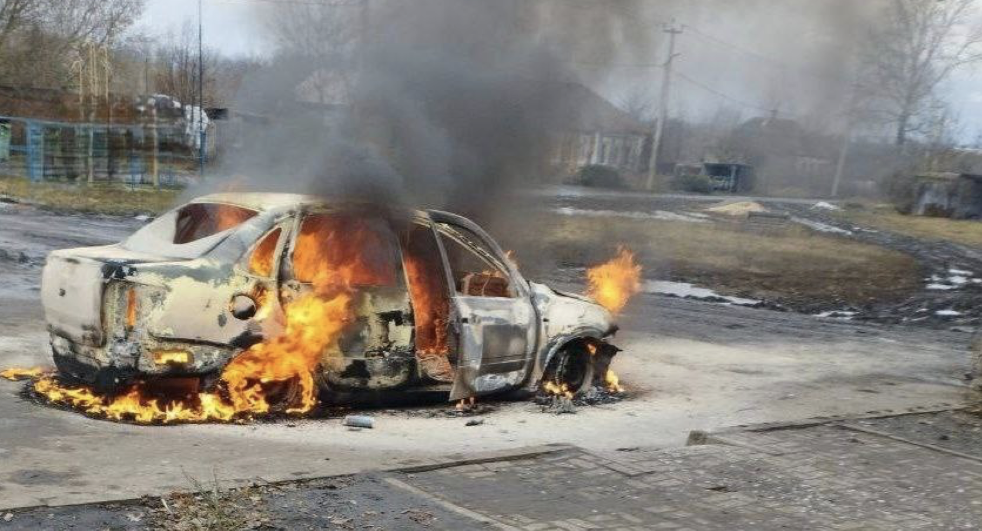
According to Governor Gladkov, the drone strike led to the death of one individual and injured three others in the region. The attack reportedly hit a vehicle in the village of Nova Tavolzhanka, located near the border with Ukraine’s Kharkiv Oblast. This incident underscores the ever-present tension along the border, where military actions have escalated, affecting civilians living in proximity to the conflict.
In addition to the fatalities, the governor mentioned injuries in other areas, including the city of Shebekino, where another individual was reportedly hurt. Residents of Grayvoron experienced a similar fate; a woman and a 13-year-old boy were injured during a drone detonation, adding to the community’s distress.
Broader Impact on the Region
The ramifications of the drone attack extend beyond the immediate casualties. Several vehicles and homes in the affected areas sustained damage, making the situation increasingly precarious for local residents. The emotional toll on communities caught in the crossfire cannot be overstated, as the fear of further attacks lingers in the air.
Governor Gladkov has emphasized the challenges faced by emergency services as they rush to address the damage and provide assistance to those affected. “Emergency and operational services are engaged in eliminating the consequences,” he stated on social media. Such remarks highlight the ongoing struggle to maintain safety and security in a region frequently besieged by violence.
Military Context and Ukraine’s Strategy
This drone attack is not an isolated incident but part of Ukraine’s broader military strategy. Ukraine’s military has routinely targeted Russian military installations in a bid to degrade Moscow’s operational capabilities. Such attacks are often aimed at infrastructure that supports military actions, thereby attempting to shift the balance of power in an ongoing war that has seen significant hostilities.
Earlier in December, Ukraine conducted a missile strike on the Russian city of Belgorod, which reportedly caused severe damage to local infrastructure. Governor Gladkov confirmed that this earlier attack highlighted the vulnerabilities of Russian military logistics as Kyiv pressed its efforts to weaken adversarial capabilities.
Awaiting Official Confirmation
As of now, Ukraine’s military has yet to comment on the recent drone attack in Belgorod Oblast. This absence of official confirmation leaves room for speculation regarding the motivations and strategic implications behind the action. Moreover, with the evolving nature of warfare in the region, unverified claims and counterclaims contribute to an atmosphere thick with uncertainty.
The ongoing conflict between Ukraine and Russia continues to shape the lives of those in border areas. As both sides engage in military operations, the civilian populations remain vulnerable, often facing the brunt of violence and instability. The recent events in Belgorod Oblast serve as another reminder of the war’s reach into everyday life, blurring the lines between military objectives and civilian safety.
The Way Forward
The situation remains fluid, with new updates likely to emerge as authorities continue to assess the aftermath of the drone strike. The international community watches closely, understanding the significance of these developments in relation to the broader geopolitical landscape. As the story unfolds, the experience of those living on the front lines remains a critical aspect of understanding the evolving dynamics of this conflict.