


The Rapid Spread of Misinformation: Russian Propaganda vs. Ukrainian Reality
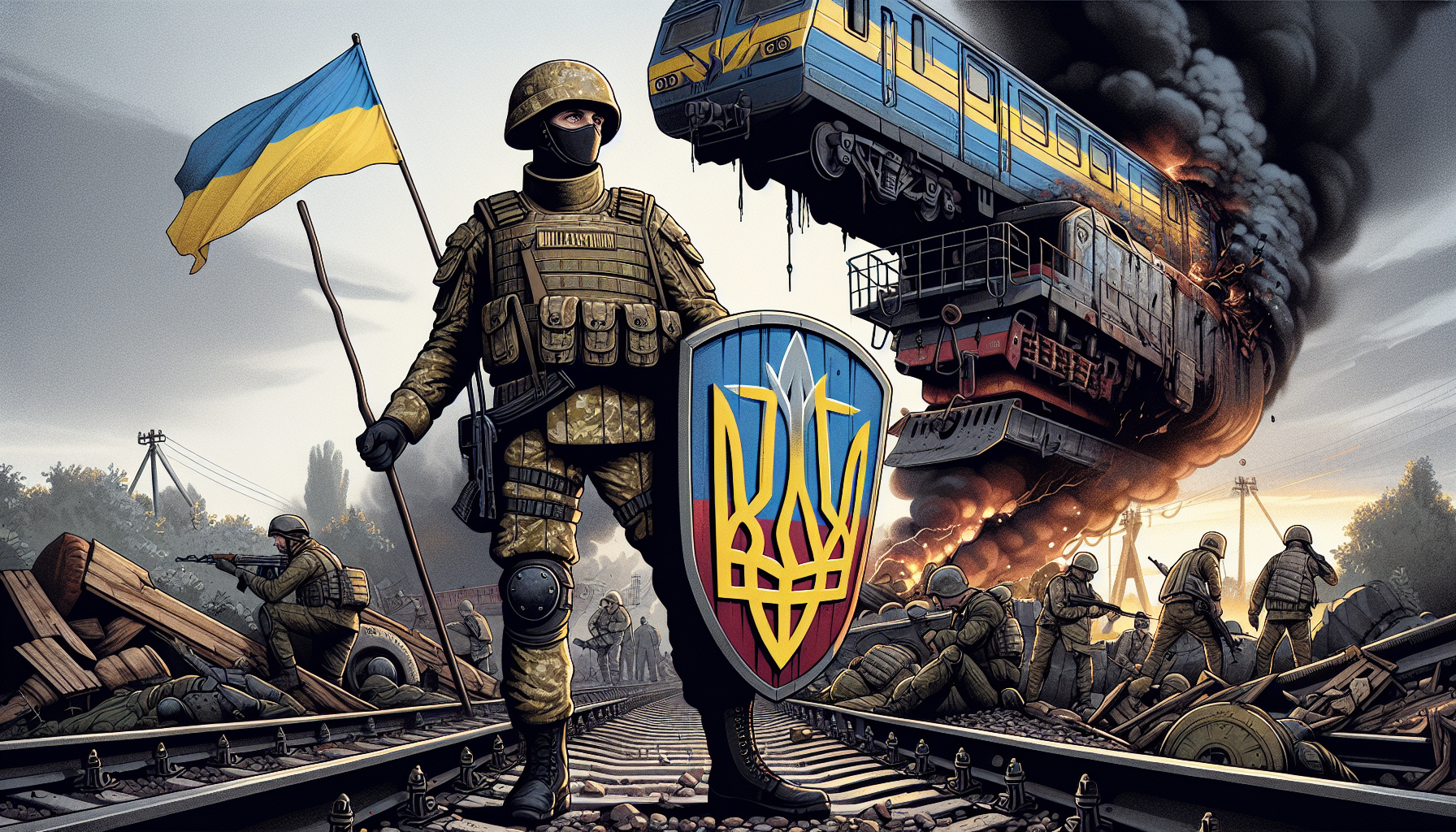
Recent reports from Ukrinform highlight a troubling trend in the proliferation of misinformation amidst ongoing conflicts. Russian propaganda has been making waves, alleging the destruction of a unit from the 17th Special Purpose Center of the Military Police of Ukraine following a drone strike on a train in the Kharkiv region. The situation has sparked both concern and condemnation, particularly from Ukrainian officials who are intent on setting the record straight.
The Military Police’s Official Response
In a robust statement, the Military Police of the Armed Forces of Ukraine refuted the claims made by Russian propaganda outlets. They emphasized that reports regarding the destruction of a railway train carrying personnel from the 17th Center in Kharkiv are fabricated and do not represent the truth.
“The information circulated by Russian propaganda resources about the alleged ‘destruction of a railway train’… does not reflect reality.”
– Military Police
Such denials are critical in countering misinformation, especially when the stakes are high and lives are at risk.
Manipulation of Facts
The Russian media’s tactics have raised eyebrows among observers, as they appear to twist factual information to serve their narrative. By presenting attacks on civilian infrastructure as “successful strikes on military targets,” Russian propagandists aim to disguise the grim reality of their actions. This kind of manipulation not only distorts the truth but also seeks to justify ongoing crimes against innocent civilians in Ukraine.
In this ongoing campaign, these narratives serve dual purposes: they attempt to legitimize military actions while simultaneously misleading both a domestic and an international audience regarding the real humanitarian impact of the conflict.
“The report about allegedly ‘redeploying the 17th Center of the Military Police to prevent mass desertion among Ukrainian Army units’ is as much a fabrication as the statements of their ‘paper leadership.’”
– Military Police
This highlights the extent to which stories are crafted to bolster morale amongst supporters, despite their lack of veracity.
The Human Cost of Conflict
Amidst the narratives of propaganda and misinformation, the human cost of the ongoing conflict remains tragically evident. A more recent incident in the Kharkiv region resulted in the loss of life of a serviceman from the 17th Center of the Military Police, Ruslan Nadich. On his way to perform his duties, he fell victim to an enemy strike at Barvinkove station—an event that underscores the harsh realities faced by troops and civilians alike.
Nadich was not just a soldier; he had been actively involved in conflicts since 2014, fighting on some of the most heated front lines. His loss, recognized by the award of the Golden Cross, paints a vivid picture of the sacrifices that Ukrainian soldiers make on a daily basis.
Civilian Infrastructure Under Attack
The implications of Russian strikes extend beyond military targets, significantly affecting civilians. Notably, on January 27, Russian forces targeted a passenger train traveling from Barvinkove to Lviv and Chop, with 291 people onboard at the time.
The airstrikes resulted in a devastating aftermath. As of January 28, search operations revealed fragments of six bodies, while initial reports confirmed four deaths and two injuries, with additional casualties still being sought. These attacks on civilian infrastructure are not isolated incidents but part of a systematic pattern of aggression that brings immeasurable grief to countless families.
“The Russian Federation once again demonstrates its essence, using the deaths of people and strikes on civilian objects as an instrument of deceit and propaganda.”
– Military Police
The Broader Context
The manipulation of information amid conflict serves one primary agenda: to gain control over the narrative. In times of war, the weaponization of truth can often be just as lethal as traditional arms. Recognizing this, Ukrainian officials remain vigilant in their responsibility to inform both their citizenry and the international community about the realities on the ground.
As misinformation spreads, it becomes imperative that all stake-holders focus on educating audiences and providing clear, fact-checked narratives that reflect the true nature of events occurring in Ukraine. In a world overwhelmed with noise, the clarity of truth becomes a powerful instrument for justice.