


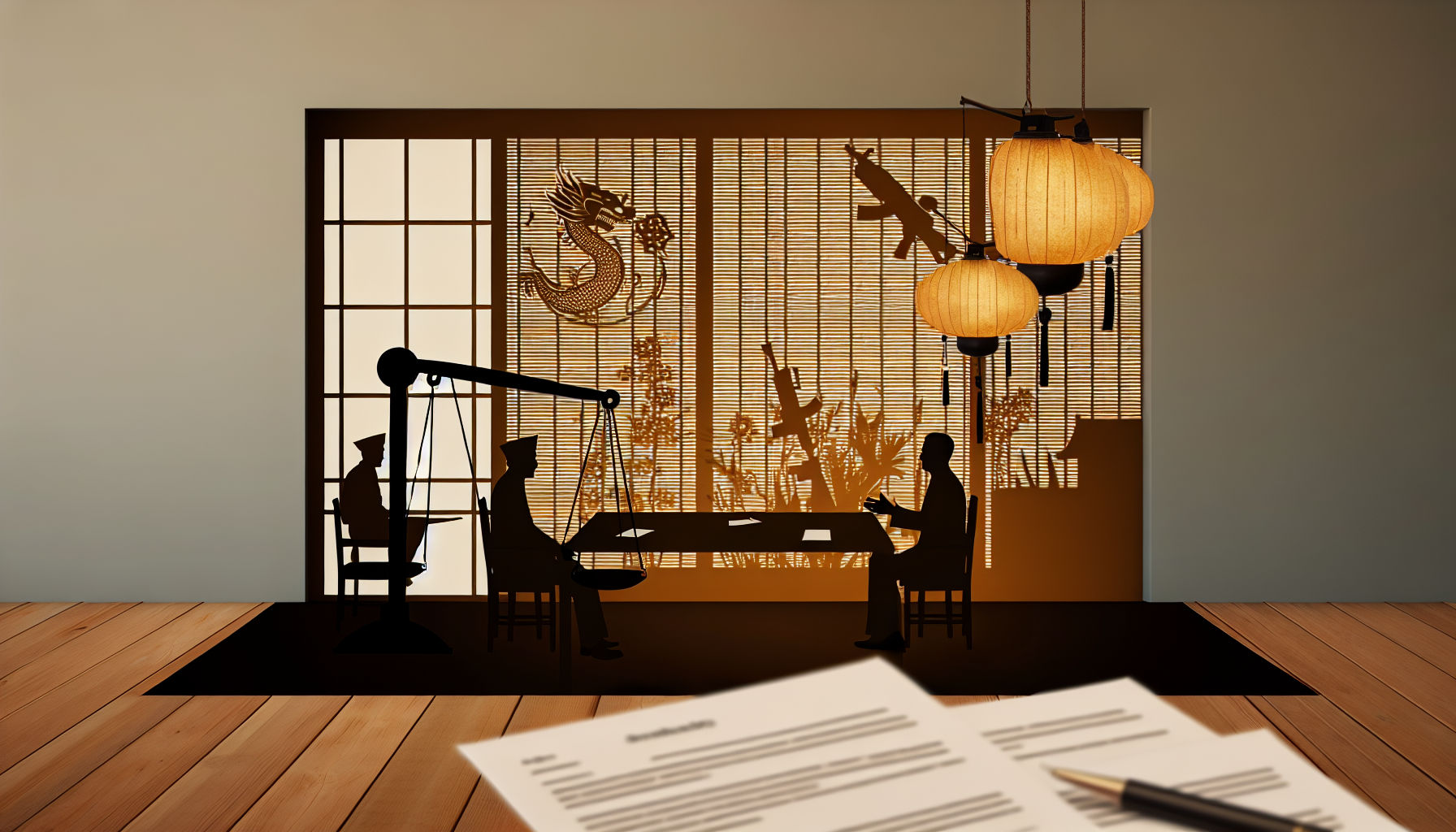
U.S. Military Ties with Vietnam: A Complex Dance of Diplomacy
A Significant Visit Amidst Surprising Silence
On November 2, 2023, U.S. Defense Secretary Pete Hegseth’s visit to Ho Chi Minh City was poised to mark a significant step in U.S.-Vietnam relations. Meeting with high-ranking officials, including Communist Party leader To Lam and Defense Minister Phan Van Giang, Hegseth emphasized that increased military cooperation could benefit both nations. However, this much-anticipated visit concluded without any major announcements regarding arms sales, leaving observers to wonder about the depth and effectiveness of these military ties.
The Challenge of Arms Diversification
In recent years, discussions have intensified around Vietnam’s need to diversify its military arsenal, which has historically leaned heavily on equipment from Russia. Although prior commitments suggested a potential shift toward U.S.-made weapons, the silence following Hegseth’s talks raises questions about the feasibility of such moves. Efforts to move away from Russian arms appear stagnant, as reports indicate Vietnam may be utilizing profits from a joint oil venture to finance new acquisitions from Moscow, thereby complicating its negotiation posture with Washington.
Countering China’s Influence
For the United States, enhancing relations with Vietnam is strategically crucial in the context of countering China’s growing assertiveness in the South China Sea. As Vietnam has long grappled with its geographical neighbor’s expansionism, it is seen as a pivotal partner in regional stability. The U.S. has made strides to strengthen military ties since the lifting of the arms embargo in 2016, which included the transfer of various maritime assets to Vietnam’s coast guard.
War Legacy Cooperation: A Shared Memory
During his visit, Hegseth announced a substantial $130 million commitment aimed at addressing the lingering impacts of the Vietnam War, specifically targeting the cleanup of Agent Orange and unexploded ordinances. This funding highlights a fundamental aspect of U.S.-Vietnam relations—that addressing war legacies is a critical foundation for deepening security ties. Whether it’s the search for missing soldiers or environmental remediation, these initiatives foster goodwill essential for a robust partnership.
Cultural Diplomacy and Symbolism
A poignant moment of Hegseth’s visit was the presentation of a leather box, knife, and belt retrieved by U.S. soldiers from a Vietnamese bunker during the war. This gesture, while small, symbolizes a tangible acknowledgment of the past and a commitment to moving forward. Whether cultural diplomacy can counterbalance the complexity of military negotiations remains to be seen.
The Struggles of Arms Procurement
Despite the high-level meetings, reports suggest that substantial movement on arms procurement remains elusive. Vietnam aims to procure advanced military technologies, including Lockheed Martin’s C-130 aircraft, yet bureaucratic hurdles seem to stall progress. Even as Vietnam considers investing in U.S. military technology, its recent arms deals with Russia raise concerns about its commitment to diversifying from its traditional supplier.
Chinese Pressure and Regional Dynamics
Vietnam’s relationship with China complicates its military procurement decisions. While the U.S. offers quality military products, the geopolitical ramifications of aligning too closely with Washington may provoke Beijing’s ire. Observers suggest that low-profile acquisitions such as cargo planes are likely more palatable than combat aircraft, which would escalate regional tensions.
The Russian Arms Enigma
Recent reports indicate that Vietnam is planning significant acquisitions from Russia, purportedly to be funded through its oil ventures with Russian companies. Such transactions, estimated at around $8 billion, include fighter jets and advanced systems, which might reinforce historical ties but dilute efforts to strengthen U.S. connections. The attractiveness of Russian arms—often cheaper yet lower in quality—present a practical challenge for Vietnam as it navigates its national defense strategy.
The Uncertain Diplomatic Landscape
As Vietnam balances its historical ties and emerging partnerships, it faces a tricky diplomatic landscape. The unpredictability of U.S. foreign policy—manifested through tariff disputes and shifting aid priorities—may lead Vietnam to reconsider its defense agreements with the U.S. The ongoing uncertainties prompt Hanoi to hedge its bets, navigating relationships with traditional allies while attempting to cultivate new ones.
A Multifaceted Approach to Defense
Vietnam’s approach is multifaceted—it seeks to maintain strong ties with China while embracing closer relationships with the U.S. and its Southeast Asian neighbors. The challenge, as analysts suggest, lies in achieving a delicate balance that addresses national security needs without aggravating regional tensions. Hanoi’s deft navigation indicates a strategic awareness of its position in a rapidly evolving geopolitical environment, emphasizing the importance of collective action against perceived adversaries in the region.
Through these interactions, the complex web of U.S.-Vietnam relations continues to evolve, marked by historical legacies, contemporary struggles, and the overarching goal of ensuring regional stability amidst rising global tensions.