


The Dramatic Role of Army Secretary Dan Driscoll in Ukraine’s Peace Efforts
It all began with a pivotal visit to war-torn Ukraine, where U.S. Army Secretary Dan Driscoll aimed to assess the military’s use of drone technology amidst the ongoing conflict. The backdrop of his trip was a complex geopolitical situation—the urgent need to navigate potential pathways toward ending Russia’s aggression in Ukraine. Driscoll’s expertise in drone technology and first-hand insights gained during his visit positioned him uniquely within the larger diplomatic landscape.
A Trusted Ally in Troubling Times
President Donald Trump recognized Driscoll’s value and appointed him to assist in the negotiations geared towards a peace agreement in Ukraine. According to a senior U.S. official, Driscoll’s proximity to the administration and his established rapport with key players made him an indispensable part of the negotiating team. “Driscoll is a trusted voice of the administration and a close ally,” the official noted, underscoring the confidence held in Driscoll’s capabilities.
Serendipity in the Midst of Diplomacy
Driscoll’s trip to Ukraine coincided fortuitously with rising diplomatic efforts. The Army Secretary was already scheduled to observe the operational use of drones by the Ukrainian military when the opportunity emerged to play a crucial role in ongoing negotiations. The timing was serendipitous, allowing him not only to gather important insights but also to pivot into diplomatic discussions.
Delivering Trump’s Vision for Peace
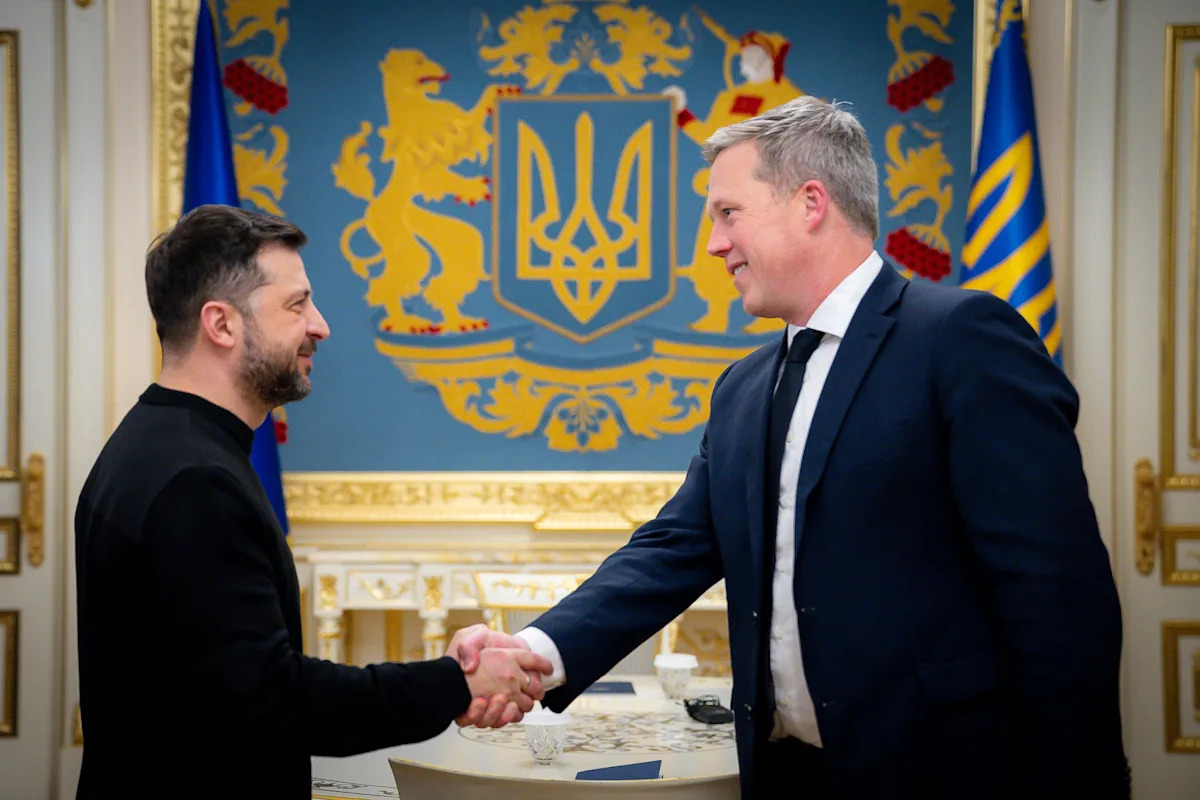
While in Kyiv, Driscoll presented a revised version of the Trump administration’s ambitious 28-point plan for peace in Ukraine to Ukrainian President Volodymyr Zelenskyy. This engagement was significant, as it encapsulated U.S. intentions while establishing a personal connection between Driscoll and Ukrainian leadership. The plan served both as a framework for potential peace and a demonstration of U.S. commitment to supporting Ukraine in its hour of need.
Back-and-Forth Diplomacy Across Borders
Following his mission in Ukraine, Driscoll swiftly moved to Geneva, engaging in talks with a Ukrainian delegation that included high-ranking U.S. officials. His involvement didn’t stop there; he was soon dispatched to Abu Dhabi to hold discussions with Russian representatives. This whirlwind of diplomacy highlights the urgent and multifaceted nature of efforts to bring an end to the war. Driscoll’s itinerary indicates a commitment not just to diplomacy, but to a sustained effort involving multiple nations and stakeholders.
The Importance of Personal Connections
The dynamics of these talks are enriched by Driscoll’s background and his understanding of military operations. His experience is seen as beneficial in establishing rapport with both Ukrainian and Russian officials. U.S. officials believe that the “Army-to-Army” approach could facilitate smoother dialogues and more effective communication during tense negotiations.
A Young Leader with a Promising Future
At just 38 years old, Dan Driscoll made history by becoming the youngest-ever U.S. Army Secretary. His ascent to this position is marked by a commendable military career, having led a cavalry platoon in the 10th Mountain Division during his deployment to Iraq in 2009. Following his active service, Driscoll attended Yale Law School, enriching his understanding of governance and law—skills he now applies in his current role.
A Strategic Shift in Responsibilities
In a rare and unprecedented move, Driscoll briefly took on a dual role as the acting director of the Bureau of Alcohol, Tobacco, Firearms and Explosives. While such a crossover is atypical for an Army Secretary, it underscores Driscoll’s versatility and the unique circumstances that demand adaptable leadership in the face of pressing national and international challenges.
Balancing Bureaucracy and Diplomacy
While Driscoll’s primary responsibilities typically revolve around organizational and bureaucratic oversight, he’s embraced the challenge of stepping into diplomatic negotiations. This approach reflects a more holistic view of leadership, where military, legal, and diplomatic realms intertwine. The administration appears pleased with Driscoll’s contribution, emphasizing both tactical military oversight and proactive diplomacy.
Transparency and Communication from the Top
Trump himself has publicly acknowledged Driscoll’s work, stating on social media that significant progress has been made towards ending the conflict. By directing envoy Steve Witkoff to engage with Russian officials while Driscoll continues dialogues with Ukraine, the administration demonstrates a coordinated effort focused on achieving peace through strategic collaboration and transparent communication.
In this intricate web of diplomacy, Dan Driscoll stands as a vital player, threading through military, legal, and political realms as he navigates the challenging waters of international relations in a time of crisis.