


Military Show of Force Near Venezuela
In a significant display of military might, the United States conducted its largest show of force near Venezuela just days before a critical deadline for the designation of President Nicolás Maduro and his associates as members of a foreign terrorist organization. This move has drawn attention from various quarters and reflects heightened tensions between the two nations, particularly under the Trump administration.
Aircraft Activity Off the Coast
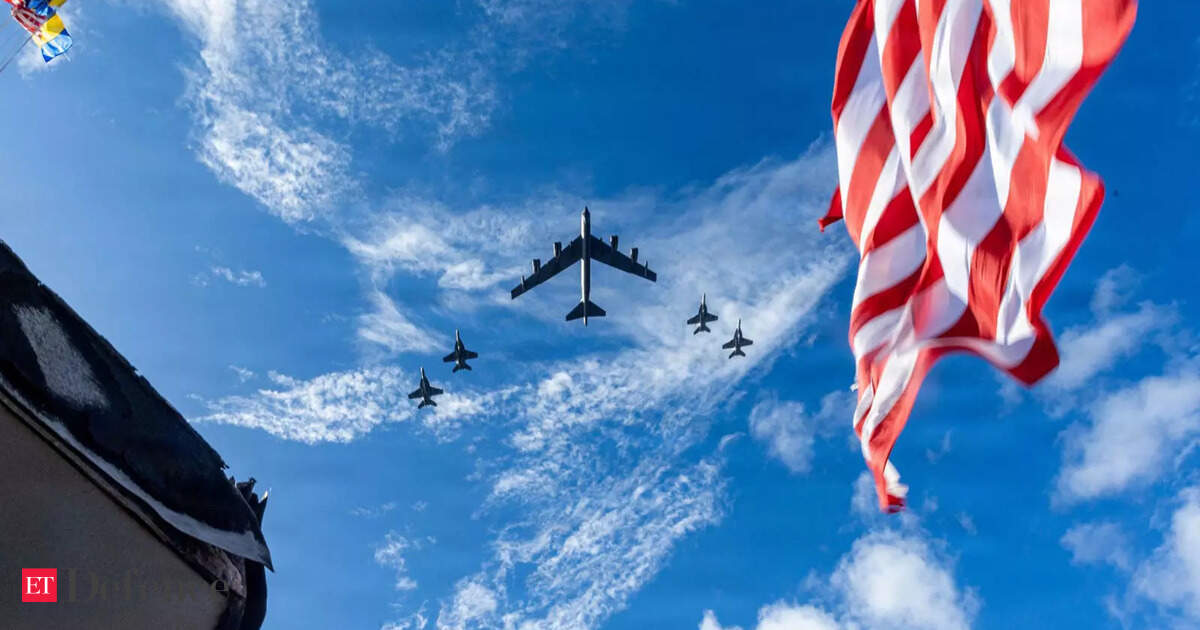
According to reports from CNN, at least six American aircraft were observed near the Venezuelan coast over several hours on a Thursday. The impressive lineup included a B-52 strategic bomber, a supersonic F/A-18E fighter jet, and multiple reconnaissance planes. Each of these aircraft plays a role in showcasing the U.S. military’s capabilities and intentions in the region. This display, described by the U.S. Air Forces Southern Command as a “bomber attack demo,” was primarily aimed at deterring illicit trafficking activities that have become rampant in the area.
Designation of the Cartel de los Soles
The U.S. Department of State has moved to designate the Venezuela-based Cartel de los Soles as a Foreign Terrorist Organization (FTO), with the action set to take effect on November 24. This cartel, reportedly led by Maduro and other high-ranking officials of the “illegitimate Maduro regime,” is said to have deeply infiltrated Venezuela’s military, intelligence, and judicial structures. It is also accused of collaborating with violent criminal organizations across Latin America, raising serious concerns about stability and governance in the region.
Implications of the Designation
Legal experts indicate that while this designation could allow President Trump to impose new sanctions, it does not directly grant authority for military action. However, senior officials in the Trump administration argue that it provides a broader range of military options. U.S. Defense Secretary Pete Hegseth highlighted that such a designation offers additional tools for the President, potentially broadening military engagement in Venezuela.
Increased Military Activity
The U.S. military has been progressively ramping up its activities around Venezuela since mid-October. Notably, B-52 and B-1 bombers have started to approach the Venezuelan coastline more closely with each mission. Much of the recent aerial activity has occurred north of Caracas and near Isla Margarita, where Venezuelan forces have previously conducted amphibious training exercises. This military pressure underscores the seriousness with which Washington views the evolving situation in Venezuela.
Diplomatic Expectations Amid Military Posturing
Despite the military maneuvers, President Trump expressed an intention to speak with Maduro “in the not-too-distant future,” indicating a potential openness to dialogue. In an interview with Fox News, he mentioned having specific points to discuss but did not disclose details. This follows earlier indications from Trump regarding a willingness to engage in diplomatic talks, though there has been little public progress reported on this front.
History of Diplomatic Engagements
Ric Grenell, a special envoy under Trump, had led discussions with the Maduro regime earlier; however, those talks were halted last month as the U.S. augmented its military presence in the region. This shift in strategy raises questions about the future of diplomatic relations and whether military pressure will facilitate negotiations or exacerbate tensions.
Regional Impact and Future Considerations
The impending designation of the Cartel de los Soles, among the most severe counterterrorism measures available to the U.S. State Department, highlights the U.S. government’s focus on countering perceived threats emanating from Venezuela. With military activities escalating and the region already fraught with tension, observers are closely watching how this complex situation will unfold in the coming days.
The interplay between military might and diplomatic efforts in this context serves as a stark reminder of the challenges facing the U.S. as it navigates its policy toward Venezuela and its government, particularly as the deadline for the terrorist designation looms on the horizon.