


Understanding Nigeria’s Current Crisis
Late last month, the alarming abductions of schoolchildren by armed groups prompted Nigerian President Bola Tinubu to declare a nationwide state of emergency. He also initiated a working group aimed at enhancing security cooperation with the United States. This urgency arose after US President Donald Trump redesignated Nigeria as a “country of particular concern,” following reports on the violence against Christians there. Trump’s directives included preparations for potential military action against groups terrorizing Christian communities. Although the threat of genocide against Christians is overstated, as highlighted by senior advisors and reports, both Christians and Muslims are suffering from extensive violence in Nigeria, necessitating a nuanced approach to US policy.
The Imperative of US Engagement in Nigeria
There are substantial reasons for the United States to strengthen its involvement in Nigeria. The country, as Africa’s most populous nation and a major oil producer, has the potential to emerge as a superpower on the continent. Historical trends show that the US’s coercive tactics, such as sanctions or military threats, could inadvertently pivot Nigeria closer to China or Russia—two nations that have been expanding their foothold in Africa.
Recent surveys reveal that Nigeria consistently maintains a favorable view of the United States. For instance, a Pew Research survey conducted in 2025 demonstrated that Nigeria had the highest favorability ratings towards the US among African nations. Preserving this relationship is pivotal. The US could risk alienating a vital ally in West Africa through overt pressure tactics, especially as Nigeria’s geopolitical significance grows.
Nigeria in the Regional Context
As the political climate in West Africa becomes increasingly volatile, Nigeria stands as a critical bulwark. Despite experiencing a democratic backslide under former President Muhammadu Buhari, Nigeria has shown resilience in maintaining its political structure. However, the landscape is marred by the rising influence of non-Western powers, primarily China and Russia.
China has become Nigeria’s largest trading partner, solidifying its presence through the Belt and Road Initiative. Simultaneously, Russia’s influence has surged with recent military agreements that could alter the region’s dynamics. The potential consequences of a deteriorating US-Nigeria relationship could lead Nigeria to further reliance on these powers, compromising US interests.
Analyzing the Landscape of Violence in Nigeria
Nigeria faces a complex web of violence, not easily categorized into simple narratives. Ranking sixth among the world’s most terrorism-afflicted nations, the multifaceted violence stems from an array of sources—local and regional conflicts, coupled with persistent poverty and corruption. The Armed Conflict Location and Event Data Project reveals that Nigeria is among the most conflicted countries globally, with a dramatic rise in political violence over the past few years.
The Rise of Terrorism in Northeastern Nigeria
Highlighting the threat posed by extremist groups, Boko Haram has been a significant force in Nigeria since 2009. The insurgency gained notable attention after the notorious Chibok abduction of schoolgirls in 2014. Following internal disputes, the offshoot known as the Islamic State West African Province (ISWAP) emerged, further complicating the conflict. Despite decreased fatalities in recent years, the operational capacity of these militant groups remains pressing, as demonstrated by recent attacks against military targets.
Criminal Violence and Kidnappings in Northwest Nigeria
While terrorism garners much attention, the northwest region grapples with rampant banditry and kidnappings, primarily led by criminal gangs rather than ideological factions. The November kidnappings of schoolchildren exemplify this trend, reflecting a broader issue that intertwines crime and chaos. The Nigerian government’s efforts are significantly hampered by this corrupt environment, undermining security.
Farmer-Herder Conflicts in the Middle Belt
In Nigeria’s Middle Belt, ethnic and religious violence often manifests through farmer-herder conflicts. These clashes are exacerbated by resource disputes and increasing competition due to climate change. Distinguishing between different types of violence can be challenging; misconceptions regarding “Christian genocide” often overshadow the broader implications of regional strife involving both communities.
Oil Militancy and Piracy in Southeastern Nigeria
In the Southeast, militants like the Movement for the Emancipation of the Niger Delta (MEND) target oil infrastructure, contributing to ongoing insecurity in an area rich in resources. Although piracy has declined thanks to enhanced security measures, the potential for collaboration between criminal networks and militants remains a concern for regional stability.
Separatist Movements Seeking Autonomy
The Indigenous People of Biafra (IPOB) pursue autonomy for the Igbo people, underscoring the national complexity. Conflicts involving IPOB manifest in recent escalations, reflecting the interwoven fabric of ethnic tensions and political demands in Nigeria. Calls for US intervention have further intensified amidst these fraught circumstances, indicating the heightened stakes involved.
Dealing with Neighboring Instabilities
The broader West African landscape is also perilous, with groups like Jama’at Nasr al-Islam wal-Muslimin (JNIM) expanding their operations into Nigerian territory. The intertwining of various militant factions across borders compounds Nigeria’s security challenges and raises significant international concerns.
Strategic Recommendations for US-Nigeria Engagement
To address Nigeria’s security predicaments effectively, the US should adopt a strategy of support rather than coercion.
1. Enhancing Professionalization of Security Forces
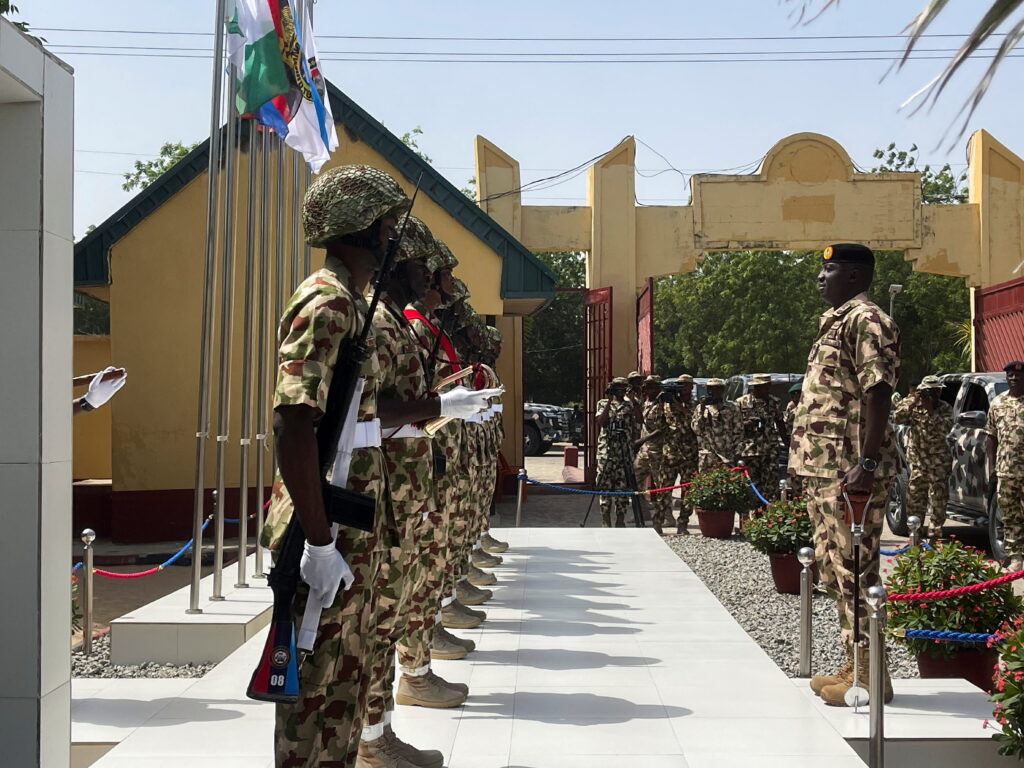
US efforts focused on professionalizing Nigeria’s military and police forces offer a pathway to enhance operational tact and human rights adherence. Deepening military engagement through intelligence sharing and training initiatives can improve the accountability and efficiency of Nigerian forces.
2. Tackling Corruption to Foster Stability
Corruption remains a significant impediment to governance and security in Nigeria. Targeted anti-corruption programs, possibly funded or supported by the US, could catalyze more significant governmental change. The current momentum within Nigeria, driven by public engagement against corruption, presents a unique opportunity for the US to align its goals with local aspirations for better governance.
In summary, Nigeria’s pressing security issues necessitate a thoughtful approach from the United States. By shifting from punitive measures to cooperative strategies that focus on professionalizing security forces and combating corruption, the US can help stabilize Nigeria in a way that fosters lasting improvements and strengthens bilateral relationships.