


Update on Eastern Ukraine: Challenges and Developments
Frontline Overview
Ukrainian President Volodymyr Zelensky recently provided a crucial update on the frontline situation in Eastern Ukraine during a visit to the Zaporizhzhia region, a flashpoint of conflict situated just a few kilometers from Russian positions. He emphasized that “Eastern Ukraine is, without a doubt, a major challenge.” This statement underscores the ongoing intensity and strategic significance of battles in this area, particularly along the Orikhiv direction, which has remained a focal point of military operations.
Zelensky expressed profound gratitude towards the soldiers, officers, and sergeants engaged in these confrontations, highlighting their dedication to safeguarding not just the Zaporizhzhia region, but also the pivotal city itself. This acknowledgment serves to boost morale and reinforce the national commitment to repel aggression.
Addressing Corruption in Governance
In parallel to the military developments, the Ukrainian government is grappling with a burgeoning corruption scandal that has rocked state institutions. Prime Minister Yuliia Svyrydenko announced an audit of all state-owned companies, especially those in the energy sector, following the suspension of two cabinet ministers implicated in this scandal. She assured that a comprehensive strategy would be implemented to bolster accountability within state-owned enterprises.
“In light of recent events, we are taking a proactive stance,” Svyrydenko remarked in a video message. The need for transparency and accountability in public services has never been more critical as the government reassesses its commitment to ethical governance against the backdrop of an ongoing war.
Military Actions Against Russian Targets
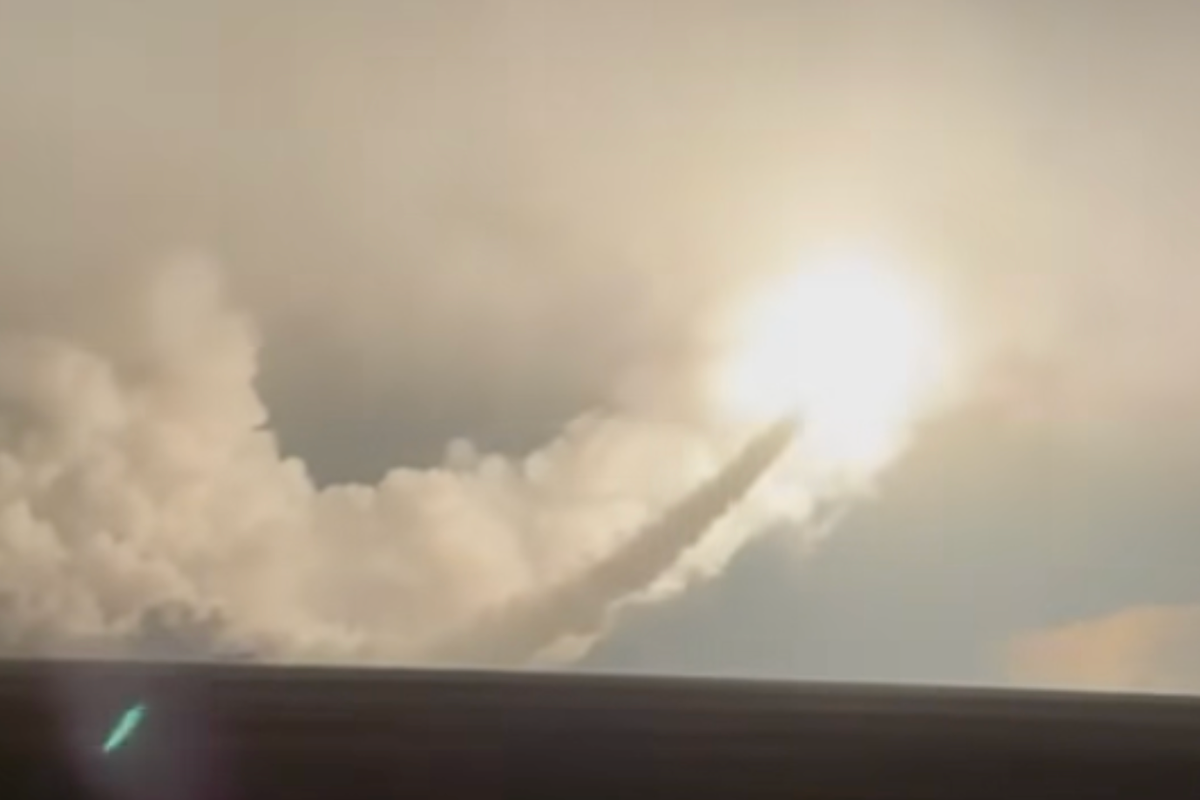
On the military front, Ukrainian forces conducted significant strikes using domestically produced long-range missiles, including the Flamingo, in a series of concentrated attacks against Russian targets. These operations included an assault on the Morskoy Neftyanoy Terminal oil storage facility in occupied Crimea, alongside precision strikes on military assets like the Kirovske airfield.
The Ukrainian army’s statement reflected a strategic objective: to diminish the military and economic capabilities of the Russian state. Updates from the military indicated that numerous locations were targeted during a significant offensive aimed at crippling Russia’s offensive potential, showcasing Ukraine’s determination to maintain its territorial integrity against ongoing aggressions.
International Diplomacy and Relations
As tensions continue to unfold, Russian Foreign Minister Sergei Lavrov expressed hope that the United States would refrain from actions that could escalate the conflict. He referenced an open dialogue approach advocated by former U.S. President Donald Trump, framing it as crucial for a sustainable resolution to the ongoing strife.
Lavrov’s comments were notably devoid of acknowledgment regarding Russia’s own aggressive maneuvers but instead emphasized external relationships, particularly with the U.S. The implications of such statements reflect a complex diplomatic landscape where parties continue to navigate the tumultuous waters of international relations amidst the war.
Energy and Political Scandals
In a related political maneuver, German Chancellor Friedrich Merz and President Zelensky discussed the ramifications of the ongoing energy corruption scandal that has emerged within Ukraine’s governance. Constructive dialogue focused on renewing commitments to anti-corruption reforms and gaining trust from international partners, highlighting the urgency of addressing governance issues concurrently with military challenges.
The chancellor expressed expectations for Ukraine to strengthen its fight against corruption, emphasizing that reforms are vital for political legitimacy and international support. This alignment demonstrates the significance of cooperative efforts between nations in reforming governance amidst crisis.
Broader Regional Impact
Additionally, the Bulgarian parliament recently overruled a presidential veto regarding the government’s control over Lukoil’s oil refinery to shield it from impending U.S. sanctions. The decision indicates that nearby countries are also facing pressures stemming from the war in Ukraine, highlighting the cross-border ramifications of Ukraine’s ongoing conflict.
This strategic move by Bulgaria reflects how regional governance is adapting in response to external pressures, extending beyond Ukraine’s borders and necessitating collaborative efforts to stabilize economic and political structures in the area.
In summary, the landscape in Eastern Ukraine is dynamically evolving, shaped by military confrontations, internal governance challenges, and international diplomatic relations. Each facet plays a critical role in defining the trajectory of both Ukraine’s sovereignty and the broader geopolitical climate in Eastern Europe. Through sectional updates on military actions, political dynamics, and critical reforms, the situation continues to resonate across national and international spheres.