


Iranian Attack on Kuwaiti Desalination Plant: A Tragic Incident Amid Rising Tensions
In a troubling development for regional stability, an Iranian attack on a power and water desalination plant in Kuwait has resulted in the death of an Indian worker and substantial damage to the infrastructure. This incident, reported by Kuwaiti authorities, highlights the escalating tensions in the Middle East amid ongoing conflicts, particularly the US-Israeli war against Iran.
The Attack and Its Immediate Aftermath
According to a statement from Kuwait’s Ministry of Electricity, the assault occurred on a service building within the desalination facility. The ministry described the incident as part of “Iranian aggression against the State of Kuwait.” In responding to this attack, technical and emergency teams were quickly dispatched to mitigate the damage and ensure that operations could continue as smoothly as possible.
No immediate comments came from Iranian officials regarding the incident, but state media corroborated reports of extensive damage at the facility, emphasizing the severity of the situation.
Context of Regional Violence
This attack did not occur in isolation. Kuwait has been increasingly subjected to missile and drone strikes since the United States and Israel began their military operations against Iran over a month ago. Just the previous evening, Kuwait’s Defence Ministry reported the detection of 14 missiles and 12 drones in its airspace. Some of these drones targeted military installations, resulting in injuries to 10 servicemen, who were promptly transported to medical facilities for treatment.
The frequency of these attacks raises alarm among Kuwait’s citizens and regional observers alike, as the geopolitical landscape becomes more precarious by the day.
Casualties and Human Impact
The human toll of this conflict has been severe. Over 2,000 individuals have reportedly lost their lives since the launch of US and Israeli military actions against Iran, which included the assassination of former Supreme Leader Ayatollah Ali Khamenei. Among the casualties are at least 216 children, an especially tragic loss that underscores the wide-reaching impacts of military confrontations on civilian populations.
Iran’s Response and Tactical Moves
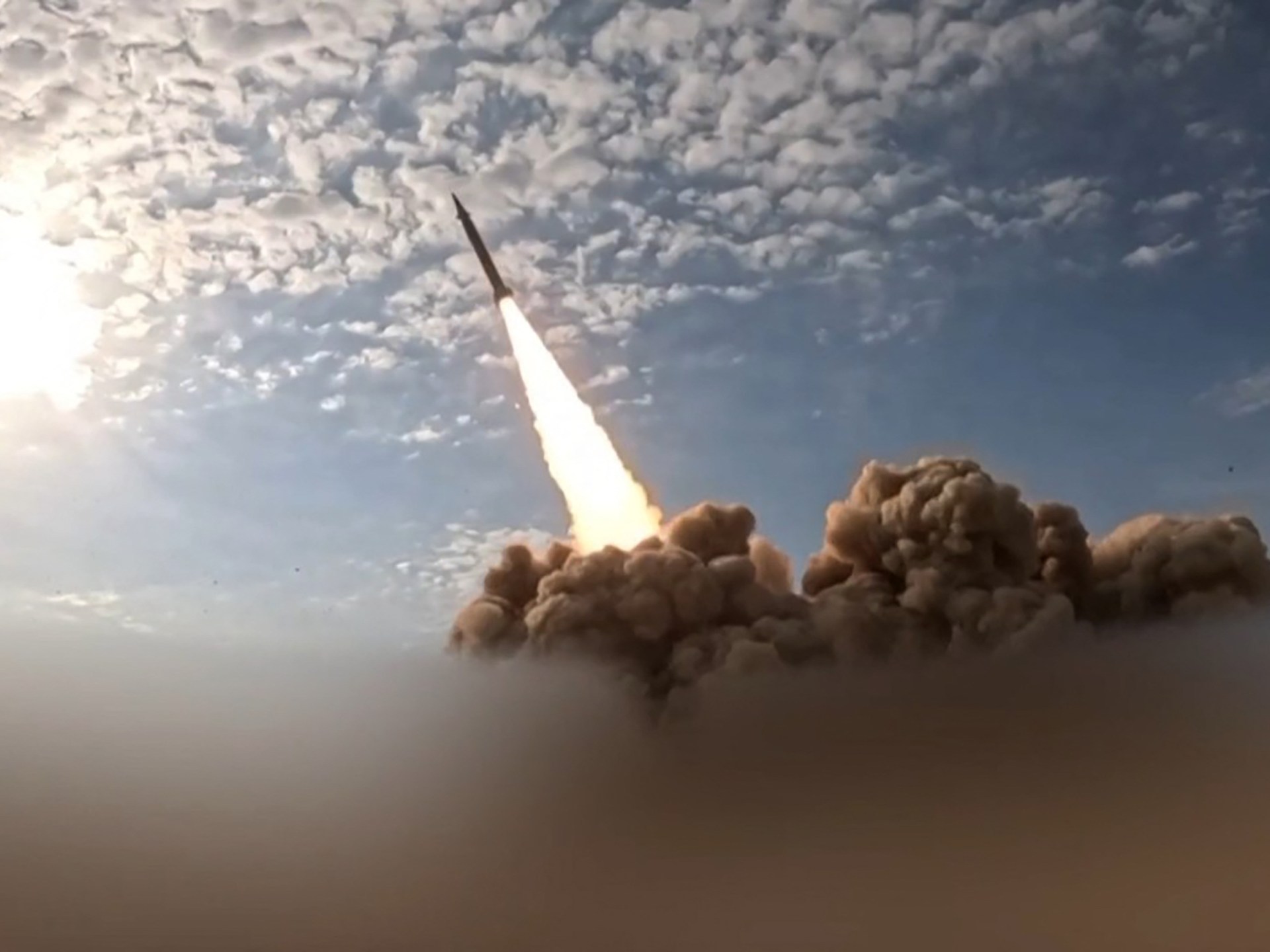
In retaliation, Iranian forces have conducted drone and missile strikes targeting both Israel and regional countries that host US military assets. These operations have not only caused human casualties but have also inflicted severe damage to critical infrastructure. The conflict has escalated to such an extent that Iran has effectively blockaded the Strait of Hormuz, a crucial waterway for global oil and liquefied natural gas transportation. This blockade has driven energy prices upward and stirred anxieties in financial markets worldwide.
Diplomatic Efforts and Public Statements
Recently, US President Donald Trump announced a temporary pause on planned attacks against Iranian energy facilities, lasting until April 6. Meanwhile, Iran has threatened to retaliate with its own strikes on energy sites throughout the Gulf region should its infrastructure come under aggression. This tit-for-tat dynamic has only served to intensify the conflict further.
The Vulnerability of Water Infrastructure
The ongoing hostilities have starkly highlighted the vulnerability of crucial water infrastructure in a region already characterized by water scarcity. As a significant portion of the Gulf’s water supply relies on desalination plants, any attacks on these sites pose not just an immediate risk to the physical structures but also jeopardize the broader populace’s access to essential water resources.
A Broader Perspective
This incident serves as a reminder of the interconnected nature of geopolitical tensions and humanitarian crises. As violence escalates in the region, the population faces increasingly dire challenges not only to their safety but also to their access to basic necessities. Understanding these dynamics is essential for grasping the full impact of the current conflict in the Middle East.
In light of these developments, the situation continues to evolve, and further updates from both Kuwaiti authorities and international bodies are anticipated as the geopolitical landscape becomes even more complex.