


Escalating Tensions: Israeli Drone Strike in Southern Lebanon
A Tragic Event
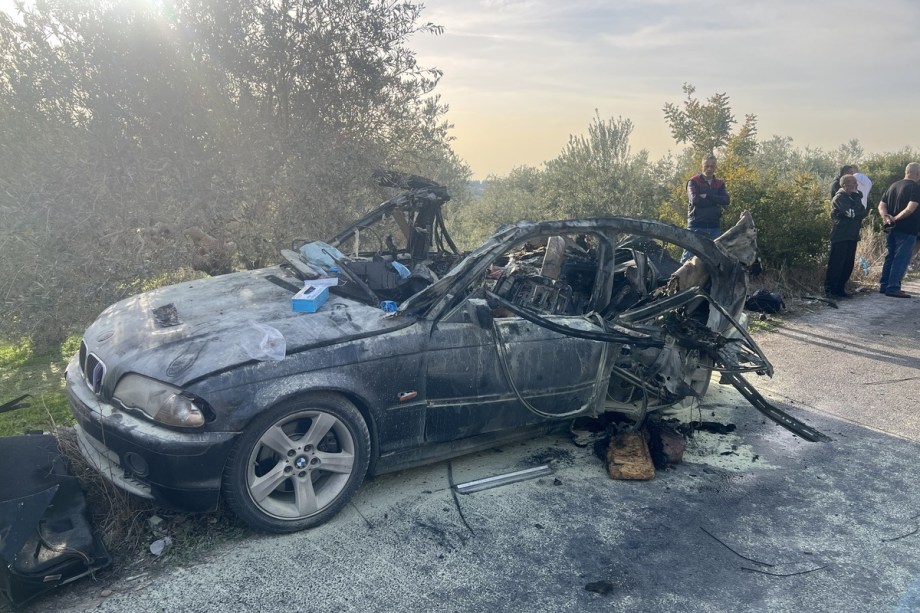
On Monday, a drone strike attributed to Israel took the lives of three individuals in southern Lebanon. This attack targeted a vehicle on the Aqtnit–Quneitra road in the Sidon district, marking a serious escalation in the already high levels of tension in the region. Reports from Lebanese media, including the state news agency NNA, highlighted the gravity of the incident, describing it as a new breach of the ceasefire agreement reached between Israel and Lebanon.
Context of the Ceasefire Agreement
The fragile ceasefire, established in November 2024, was seen as a necessary step after over a year of relentless cross-border aggression during the war in Gaza. This conflict had left over 4,000 dead and around 17,000 injured on both sides, making the need for peace negotiations all the more pressing. Under the terms of this ceasefire, Israeli forces were expected to withdraw from southern Lebanon by January. However, the reality has been quite different. Reports indicate that Israel has only partially pulled back its military presence, maintaining a foothold at five key border outposts.
Increase in Military Activity
In recent weeks, the situation in southern Lebanon has become increasingly volatile. The Israeli military has ramped up its operations, conducting near-daily air raids within Lebanese territory. These strikes are purportedly aimed at eliminating Hezbollah members and their associated infrastructure. However, the lack of clarity and the absence of direct comment from Israeli officials concerning specific actions leave many in the region apprehensive about the possibilities of further escalation.
The Human Toll
The implications of such military actions are profound. The innocent lives lost in this latest drone strike serve as a stark reminder of the human cost of ongoing conflicts. Local populations often find themselves caught in the crossfire, living in a state of fear and uncertainty. The targeting of vehicles and individuals raises questions not only about military strategy but also about the ethics surrounding these operations. The community in Sidon and beyond now grapples with the aftermath of this tragic event, mourning those who were lost and questioning the robustness of protective measures for civilians.
The Future of Israeli-Lebanese Relations
As tensions persist and military operations continue, the future of Israeli-Lebanese relations looks increasingly precarious. The ceasefire, which was hoped to be a turning point toward peace, appears to be fraying under the strain of frequent military encounters. Analysts warn that unless both parties engage in meaningful dialogue and adhere to the terms of the ceasefire, the risk of a broader conflict looms large.
Many observers are keenly watching the response from both Lebanon and international entities to this latest incident, hoping for a return to diplomacy over aggression. As the conflict evolves, the global community remains alert to the potential repercussions not just for the region but for international stability as well.
International Response
The lack of commentary from Israeli officials raises questions about the broader international response to this latest strike. Global powers have often had a vested interest in maintaining stability in the Middle East, but the complexities of the situation require nuanced understanding and strategic diplomacy. Any silence or failure to act might suggest tacit approval of aggressive military strategies, further complicating peace efforts.
In conclusion, this incident underscores a critical juncture in the ongoing saga of Israeli-Lebanese relations. The cycle of violence seems poised to continue unless significant diplomatic efforts prevail. As the world watches, the focus remains on finding sustainable solutions to prevent further tragedies like the one witnessed on Monday.