


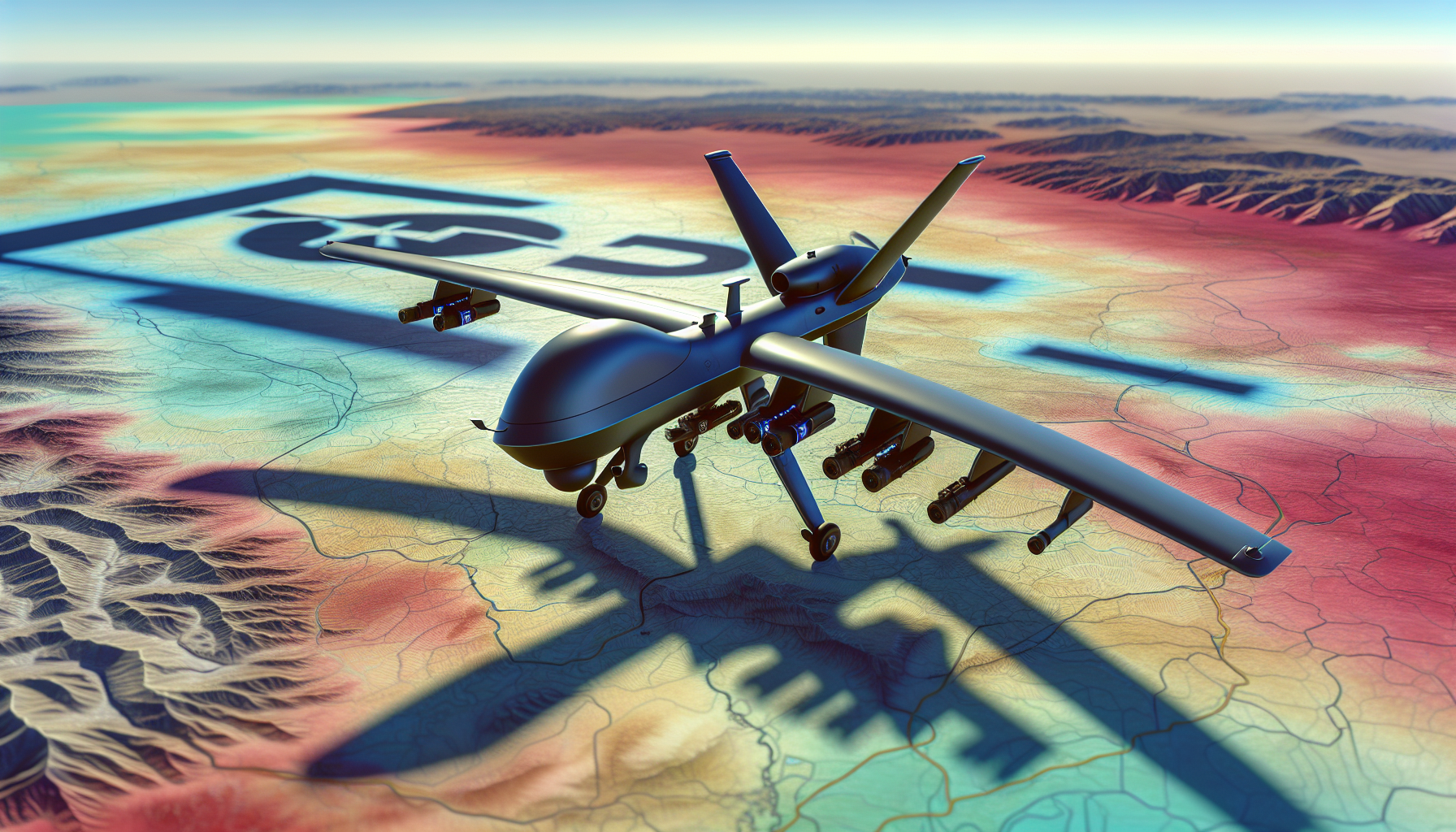
The Transformative Role of Drones in Modern Warfare
In a striking revelation about modern warfare, the recent conflict between the United States and Iran highlights the lethal efficiency of mass-produced drones. This technological leap has dramatically altered combat dynamics, where drones have proven to be instrumental in both offensive and defensive strategies. As noted, they account for an overwhelming 80% of combat casualties in the ongoing conflict in Ukraine, showcasing a paradigm shift in how wars are fought today.
Battlefield Dynamics in Ukraine
The combat landscape in Ukraine has undergone a profound transformation. Traditional front lines have been replaced by a more complex battlefield defined as a “kill zone,” roughly ten miles wide. In this area, enemy drone operators possess the ability to track and engage targets with remarkable precision, creating a precarious environment for foot soldiers. To combat this threat, Ukrainian forces have demonstrated innovative tactics—retrofitting tanks with protective mesh and deploying netting on the ground to mitigate the risks of drone strikes.
Innovative Countermeasures
In an effort to outmaneuver electronic jamming, both Ukrainian and Russian militaries have adopted a new strategy involving drones connected through long fiber-optic cables. This digital web enhances operational effectiveness, allowing forces to maintain communication and effectively coordinate their drone operations. The evolution of drone technology has become essential not only for attacking but also for strategic survivability in contemporary warfare.
The Emergence of Sea Drones
Among Ukraine’s innovative assets is a sea drone aptly named “Sea Baby.” This agile and effective drone is designed to carry a hefty payload of 2,000 kilograms—enough to destroy significant naval vessels. Remarkably, these drones are priced at a fraction of traditional warships, allowing Ukraine to sink or disable multiple Russian ships without incurring the exorbitant costs associated with traditional naval warfare. The efficacy of smaller, cost-effective technology in countering more expensive military assets has become a crucial aspect of modern conflict strategies.
A Progressive Defense Sector
Leadership in Ukraine’s defense sector has embraced a forward-thinking mentality, epitomized by Oleksandr Kamyshin’s transition from CEO of Ukraine’s railways to a vital role in the nation’s drone program. Kamyshin has stressed the importance of speed and cost-effectiveness in military operations. Under his guidance, drone production has surged, emphasizing the affordability and effectiveness of these devices as a means to level the playing field against Russia’s stronger military forces. With operational costs plummeting, it is now reported that it costs less than $1,000 to neutralize an enemy soldier, changing the economic viability of warfare.
Stalemates and Ongoing Innovations
Retired U.S. generals have noted that despite Russia’s territorial gains, the war remains at a stalemate, largely due to the impactful use of drones. Ukraine has adapted its military training programs to leverage the potential of these unmanned systems, allowing for autonomous engagements through ground drones outfitted with weaponry. This innovation enables extended combat operations, showcasing resilience amid overwhelming challenges.
Community Involvement in Defense Innovations
The culture of innovation within Ukraine’s defense initiatives has attracted individuals from various professional backgrounds to contribute to the drone program. Emphasizing rapid feedback from frontline soldiers has allowed developers to tailor swift solutions to battlefield needs—an approach that has led to the creation of specialized drones for medical evacuations and logistical support. This grassroots involvement not only enhances the operational capabilities but also fosters a sense of community and shared purpose in the face of adversity.
U.S. Military Adaptation
Mirroring these advancements, the U.S. military has also recognized the need to innovate and adapt its strategies in response to contemporary warfare challenges. Innovation hubs, such as “The Forge,” aim to inspire service members to conceive new drone capabilities. Military personnel understand that maintaining a technological edge requires learning from ongoing conflicts, particularly in scenarios dominated by drone warfare, paving the way for future operational strategies.
Integration of Technology in Traditional Warfare
The urgency for evolution in U.S. military tactics is evident. There is a growing realization that traditional artillery and armored units must be integrated with drone technology to maximize combat effectiveness. U.S. military leadership is now focused on preparing strategically for future conflicts, not merely by replicating successful technologies but by cultivating a culture that prioritizes innovation and adaptability.
The Realities of Modern Combat
As lessons from these conflicts continue to unfold, the stark realities of war are once again brought to light. The complexities and imperatives of modern combat increasingly revolve around drone warfare, reshaping how military operations are envisioned and executed. With the United States now engaging in new missions involving Iranian drones, the military is positioned to further adapt by learning from the challenges that lie ahead, echoing the experiences of their allies in this evolving combat landscape.