


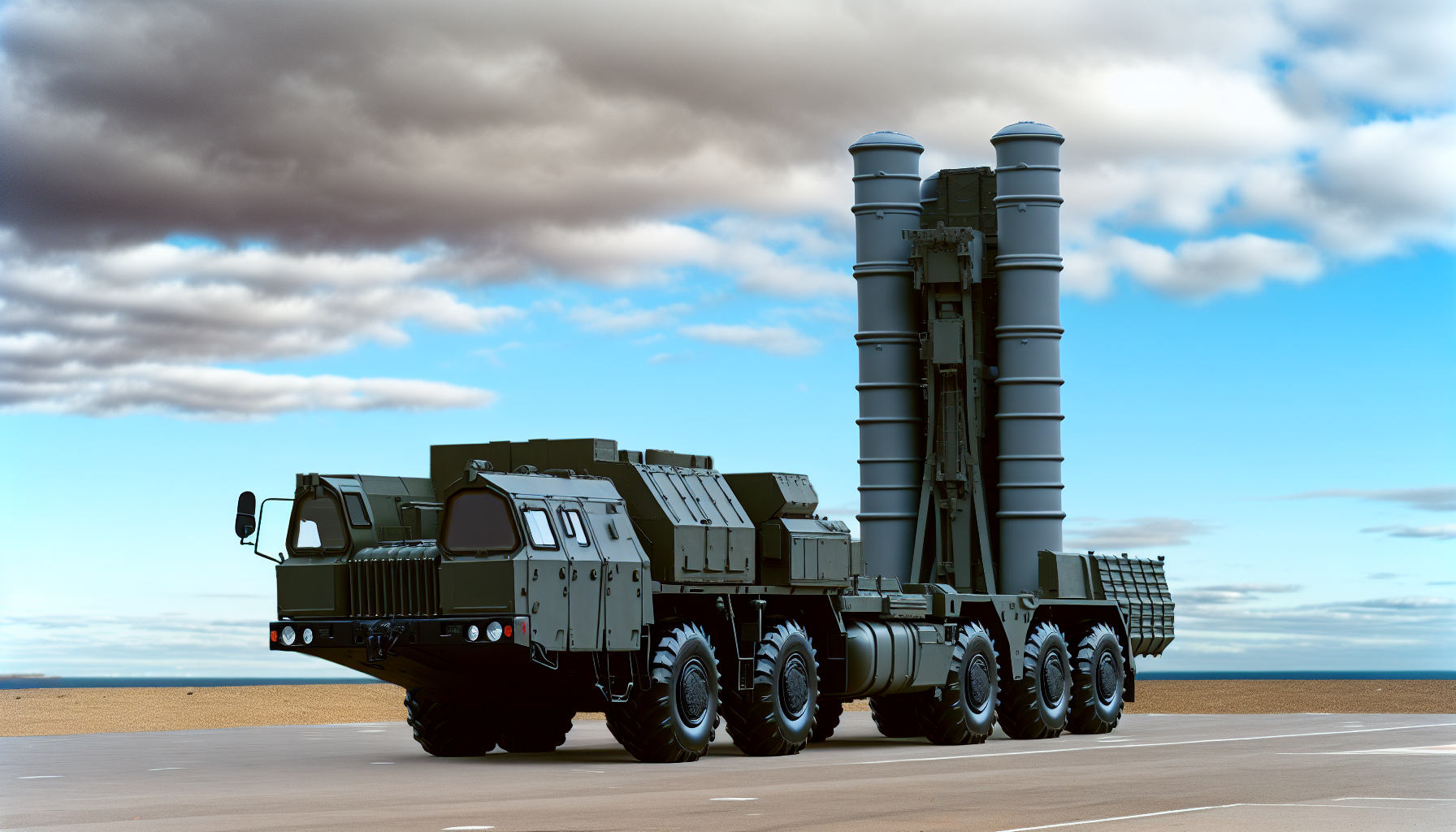
The S-400 Sudarshan: A New Era for the Indian Air Force
The Indian Air Force (IAF) has recently made headlines by revealing the first operational combat use of its S-400 Sudarshan long-range air defense system during Operation Sindoor on December 30, 2025. This announcement not only highlights the IAF’s evolving air defense capabilities but also marks a significant milestone in India’s strategic military posture.
Confirming Combat Readiness
For the first time, the IAF has officially confirmed the active deployment of the S-400, designated as Sudarshan in India. This public acknowledgment follows the successful engagement of multiple aerial targets, showcasing the system’s transition from induction to full combat readiness. Images shared by the Air Force depict an S-400 launcher in a forward operational position, signaling a watershed moment for India’s air defense architecture and regional deterrence strategy.
Following extensive testing and evaluation in live operational scenarios, senior defense officials indicated that the announcement was carefully timed to serve as both a deterrent and a reaffirmation of operational discretion. The intent is clear: demonstrating capability through action rather than mere announcements.
Background on the S-400 Program
These S-400 batteries are a part of a comprehensive multi-year delivery program coordinated with Russia, supervised under a bilateral contract inked in 2018. Despite challenges in the global political landscape and disruptions in defense supply chains, deliveries to India have persisted, allowing the IAF to establish multiple regiments critical for national security. This enduring military cooperation between New Delhi and Moscow emphasizes the significance of air defense in India’s strategic framework.
Operation Sindoor: A Tactical Overview
During Operation Sindoor, the Sudarshan system took center stage in safeguarding Indian airspace. It reportedly played a pivotal role in denying entry to hostile aircraft and eliminating high-value aerial threats. According to operational assessments, the S-400 successfully engaged and destroyed six enemy aircraft, including electronic warfare platforms aiming to undermine Indian air defenses.
One particular engagement stands out: an enemy aircraft was neutralized at an astonishing distance of 315 kilometers, a feat claimed to be a world record for ground-based air defense systems. This engagement underscores the proficiency and far-reaching capabilities of the S-400 Sudarshan.
Technical Advancements of the S-400
Technically, the S-400 Sudarshan represents a transformative addition to India’s air defense portfolio. Equipped with advanced multi-band surveillance and engagement radars, the system has the ability to detect targets over 500 kilometers and track numerous airborne objects simultaneously. Each battery utilizes multiple missile types, enabling it to tackle a diverse spectrum of threats—from low-flying drones and cruise missiles to high-altitude aircraft and even ballistic missile threats.
This layered approach to missile defense allows Indian operators to engage targets based on real-time assessments of range, altitude, and threat profiles, providing a strategic edge in various combat scenarios.
Integration into Command Systems
A standout feature of the S-400 Sudarshan is its full integration into India’s Integrated Air Command and Control System. This integration allows it to function not just as a missile launcher but also as a critical node for sensor and command operations. During Operation Sindoor, the system offered early warning and targeting data to fighter aircraft and other air defense assets, thereby creating a coordinated and resilient engagement framework that extended well beyond its immediate firing capabilities.
Encountering Adversary Countermeasures
Reports indicate that Pakistani Air Force units made several attempts to locate and incapacitate the S-400 batteries through stand-off munitions and electronic warfare tactics. However, Indian officials assert that these efforts were unsuccessful, attributing the system’s survivability to its high mobility, rapid redeployment capabilities, and controlled emission procedures. Despite claims from Islamabad of strikes against Indian air defense assets, no credible evidence has emerged to support these assertions.
Strategic Implications in South Asia
The combat debut of the Sudarshan system has significant implications for the air power balance in South Asia. Its demonstrated capacity to detect and engage high-value targets at extensive ranges increases the operational costs and risks for any offensive maneuvers against India. Coupled with advanced fighter platforms and a robust command-and-control infrastructure, the S-400 has established itself as a cornerstone of India’s multi-layered air defense strategy.
The IAF’s shift in communication strategy—favoring operational demonstrability over declaratory statements—signals a maturity in military engagement. With the Sudarshan now validated in combat terms, India enters a new chapter of air defense credibility, distinguished by proven performance on the battlefield rather than mere procurement narratives.