


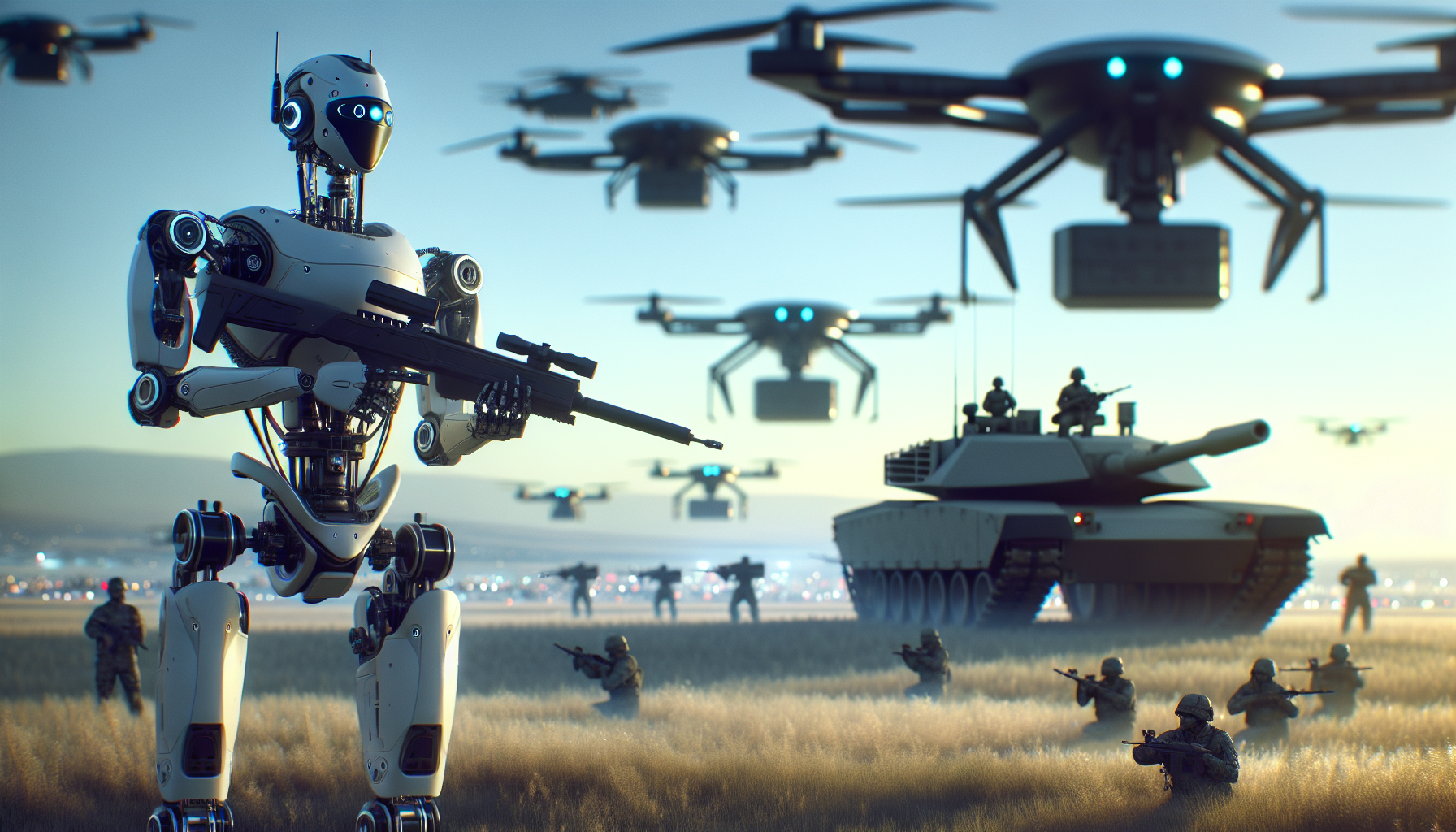
The Rise of Defense Startups: How Technology is Transforming Warfare
As the dynamics of global conflict evolve, especially amidst tensions involving nations such as the United States and Iran, defense startups are becoming increasingly pivotal. Unlike traditional military operations that emphasize human involvement, modern warfare is shifting towards a technology-rich paradigm. This transition prominently features artificial intelligence (AI), drones, and robotics, and it’s here that nimble tech startups are making their mark.
A New Approach to Defense
Amidst this technological shift, the Korea Startup Forum (KoSpo) has taken a bold step to establish a dedicated council for defense-related startups. Industry insiders revealed that this initiative aims to bring together innovative minds and foster networking with military officials. By amplifying the voices of these startups, KoSpo seeks to advocate for supportive policies that can further their growth in this increasingly competitive sector.
The Role of KoSpo
KoSpo isn’t merely looking to expand its reach; it is focusing on creating industry-specific councils that cover a range of fields, including AI and telemedicine. By inviting defense startups into the fold, KoSpo aims to collectively represent these companies’ interests, facilitating dialogue about pressing industry regulations and policies. This proactive approach underscores a realization: the burgeoning defense tech sector needs a unified voice to influence change effectively.
Opportunities for Growth
Events such as the upcoming Korea International Defense Industry Exhibition (KADEX) are proving to be crucial for startups in the defense realm. Scheduled for October at the Gyeryongdae military headquarters in Daejeon, this biennial exhibition is notable for its robust participation of startups. With a startup pavilion that has increased from 15 to 40 booths, the excitement is palpable. Companies like Pablo Air and Weflo recognize the value of this platform, where they can connect directly with military officials and industry executives, paving the way for potential partnerships and business opportunities.
Building Connections
Bluepoint Partners, a deep-tech accelerator, is dedicated to bridging the gap between technology startups and military applications. Their focus on alleviating the challenges faced by startups—especially those with products suited for battlefield conditions—underscores the growing need for support in entering the defense market. Their upcoming seminar featuring representatives from the European Defence Tech Hub (EDTH) symbolizes a robust effort to connect innovators with established military channels. Approximately 70% of the startups expected to attend this seminar are gearing up to explore possibilities within the defense sector.
Capitalizing on Investment Trends
The momentum behind defense startups reflects a broader trend in global venture capital investment. Last year, the influx into defense technology surged to $49.1 billion—an astounding 80% increase from the previous year’s $27.2 billion, according to PitchBook. This exponential growth in funding indicates a promising horizon for startups armed with technology poised for defense applications. Choi Won-ki, a senior analyst at Bluepoint Partners, noted that in other countries, startups often see a spike in their valuations following successful field testing of their technology. With Korea’s manufacturing strength, the potential for creating competitive defense startups is substantial.
The Future of Warfare
As the landscape of warfare shifts from conventional to technology-driven operations, the role of startups in shaping the future of defense cannot be understated. With government support, increased funding, and strategic networking opportunities, these innovative companies are carving a niche that could redefine how nations approach security and defense in the 21st century.
The stage is set for a new era in defense technology, where agility, innovation, and collaboration can lead to groundbreaking advancements that bolster national security efforts. The winds of change are blowing, ushering in a future where robots, drones, and AI are at the forefront of military strategy and operations.