


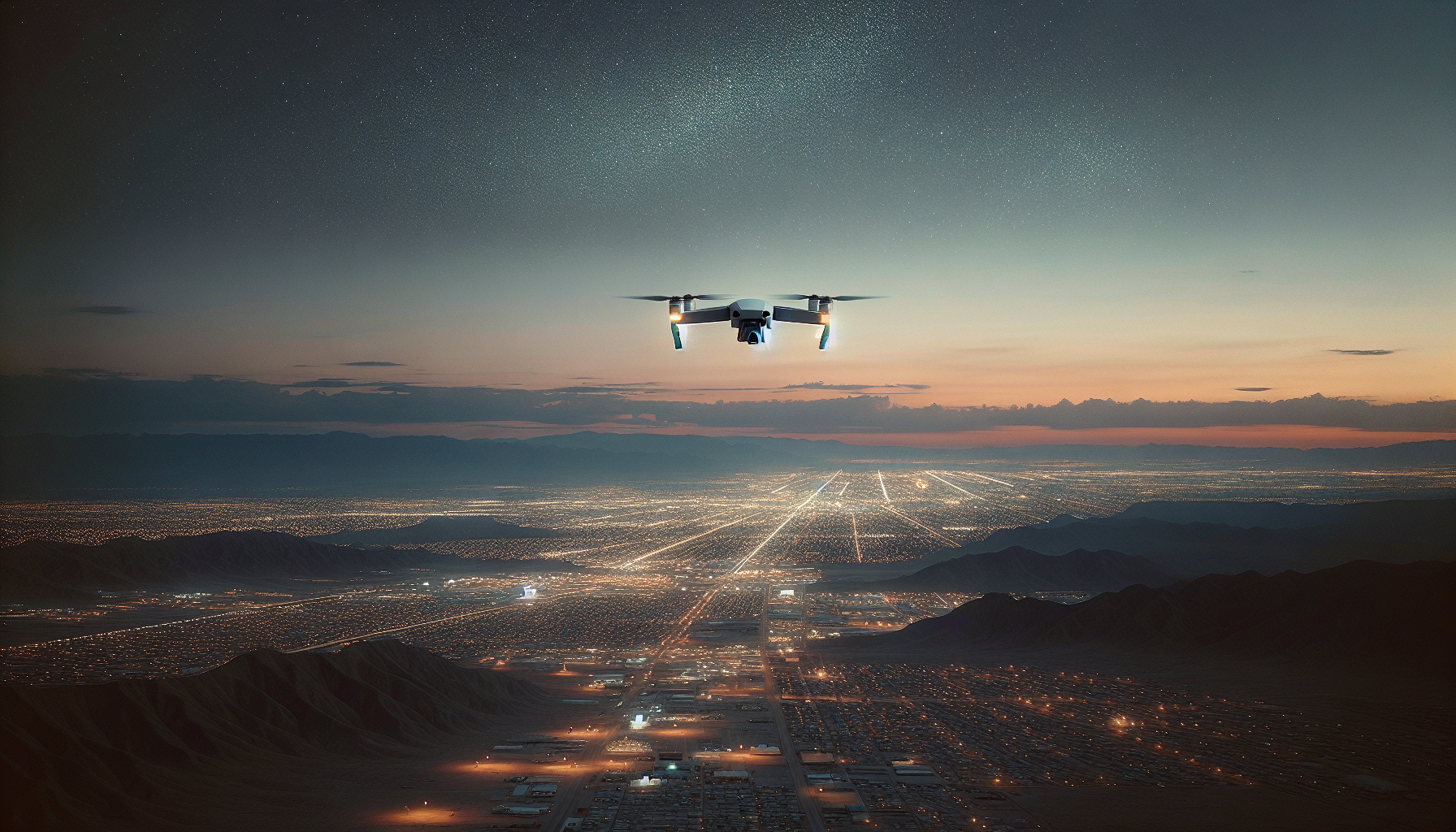
The Drone Scare at El Paso International Airport: A Wake-Up Call
On a seemingly ordinary Wednesday, El Paso International Airport found itself at the heart of a gripping episode that accentuated the intersection of aviation security and illicit activities. The Federal Aviation Administration (FAA) made the startling decision to shut down all flights in and out of the airport for ten days, a response to a troubling breach of U.S. airspace by a drone allegedly operated by a Mexican drug cartel.
A Sudden Shutdown
The abrupt FAA decision to halt operations showcased the heightened scrutiny and vigilance that accompanies the use of drone technology in modern airspace. As travelers and airlines faced uncertainty and chaos, the emphasis shifted to the risk posed by drones, particularly in a landscape where criminal organizations increasingly leverage technology for illicit gains.
The Cartel Connection
Detailing the source of the threat, a former Trump administration official revealed that the incursion was linked to a Mexican drug cartel. This revelation underscores the disturbing trend of cartels adopting sophisticated methods to carry out their operations, including the use of drones to smuggle drugs, surveil border patrols, or even deliver threats. Such tactics complicate the already challenging landscape of border security and law enforcement, forcing authorities to adopt new strategies.
Quick Response and Risk Assessment
Fortunately, the danger was swiftly neutralized by the Department of War. Their timely intervention demonstrated the importance of inter-agency coordination in addressing emerging threats. However, the need for an extensive risk assessment remains. The incident raises critical questions not only about the effectiveness of current airspace regulations but also about how drone technology can be monitored and controlled.
The Future of Airspace Security
As the El Paso incident illustrates, the potential for drone misuse poses a serious challenge to conventional safety measures at airports. With the rapid proliferation of drone technology, the FAA and other regulatory bodies must innovate continually to ensure that airspace is secure. This incident acts as a precursor to what could become increasingly common: drones used not just for recreational purposes but as tools for crime.
Public Perception and Panic
The human element cannot be ignored; the very thought of drones — often viewed as benign or even beneficial — now linked to cartel activity incites fear. Travelers at El Paso International Airport were grounded in an array of emotions, ranging from confusion to panic. This emotional response serves as a reminder of how quickly public perception can shift in the face of new security threats.
Legal Implications and Policy Changes
In the aftermath of this incident, policymakers will have to consider the legal framework surrounding drone usage. Current laws are often inadequate for addressing the complexities of aerial security. Legislative changes could be on the horizon as lawmakers grapple with the need for stricter regulations, potentially impacting not just drone users but the broader aviation industry as well.
Conclusion: The Road Ahead
While the immediate crisis was contained, the implications of this alarming event extend far beyond El Paso. As drone technology continues to advance, the need for robust security measures becomes increasingly urgent. It’s not just about managing air traffic; it’s about safeguarding our skies from those who would exploit technological advancements for nefarious purposes. The future challenges will require collaborative efforts between government agencies, tech companies, and the public to ensure that the skies remain safe for everyone.