



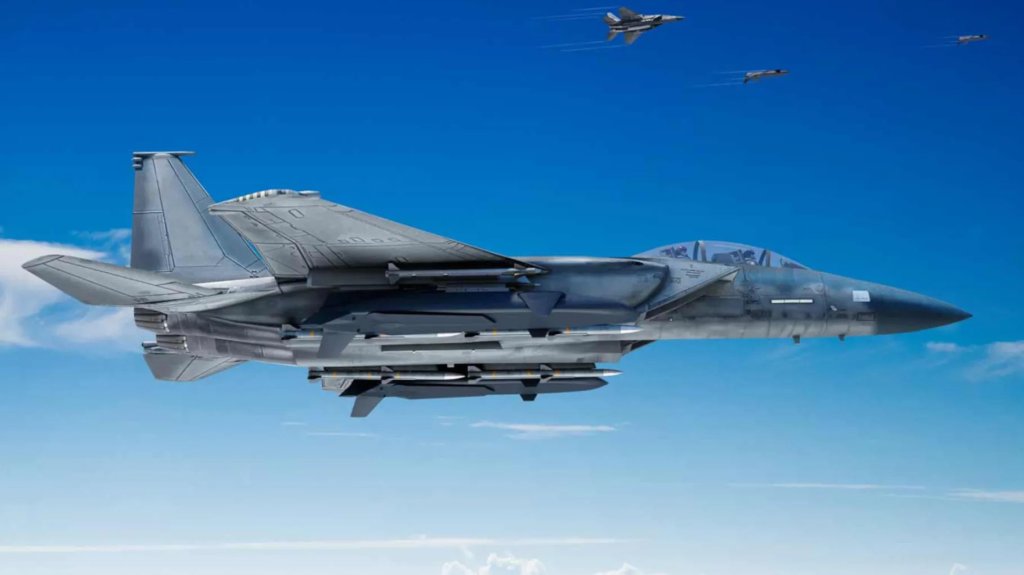
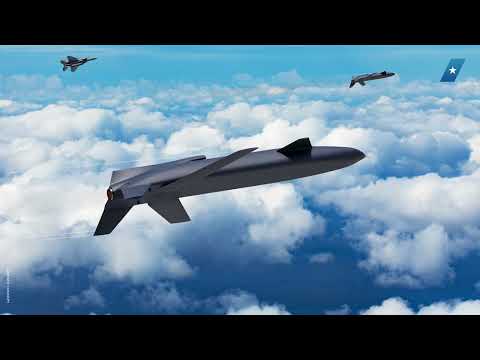
General Atomics’ air-launched LongShot drone is making waves with new advancements, including the completion of ground tests that showcase its weapons release capabilities. Designated as the X-68A, this drone represents a significant leap in military prowess, intended to be carried by an F-15 fighter jet. The program aims to explore the capability of an uncrewed aircraft to fire air-to-air missiles, thereby extending the engagement range and minimizing the vulnerability of the launch platform.
Recently, the U.S. military’s Defense Advanced Research Projects Agency (DARPA) released details about LongShot, involving multiple U.S. government stakeholders, including the U.S. Air Force, Navy, Army, and NASA. This collaborative effort underscores the critical nature of the program, which may reshape aerial combat strategies in the future.
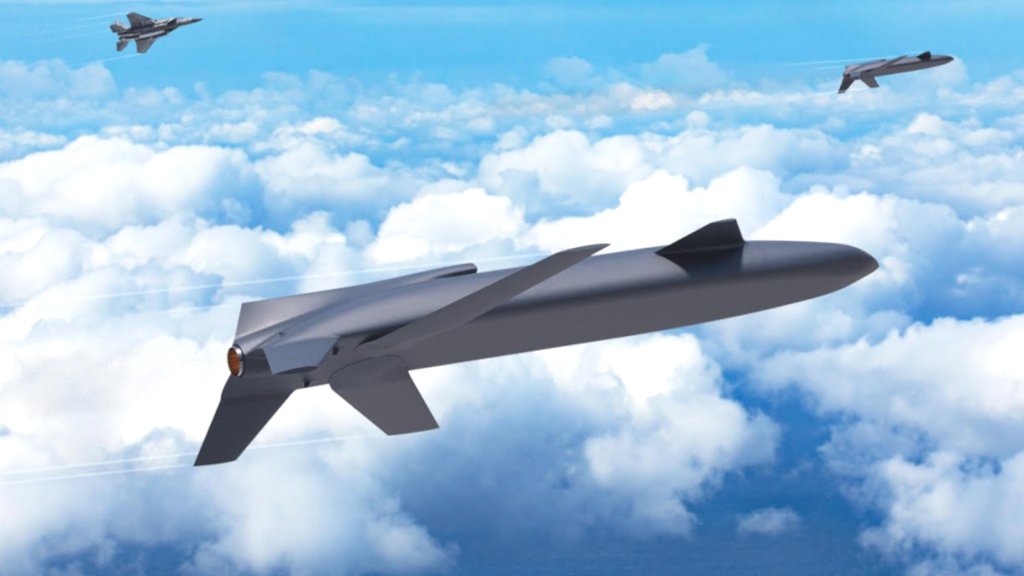
Back in 2020, General Atomics, along with Lockheed Martin and Northrop Grumman, was awarded initial contracts to work on competing concepts for this revolutionary drone. In a significant development, General Atomics was selected by DARPA in 2023 for continued development, with aspirations to achieve the drone’s maiden flight by year-end.
“DARPA’s LongShot, in collaboration with General Atomics Aeronautical Systems, has successfully reached a series of technical milestones,” said DARPA in their announcement. These achievements include rigorous wind tunnel tests and trials for both parachute recovery and weapons-release systems, establishing the path toward flight testing for this next-generation capability.
Previous renderings of LongShot showcase its ability to release at least one AIM-120 Advanced Medium Range Air-to-Air Missile from an internal bay nestled along the bottom of the fuselage. This design reflects a strategic approach to increasing the operational capacity of U.S. airpower.
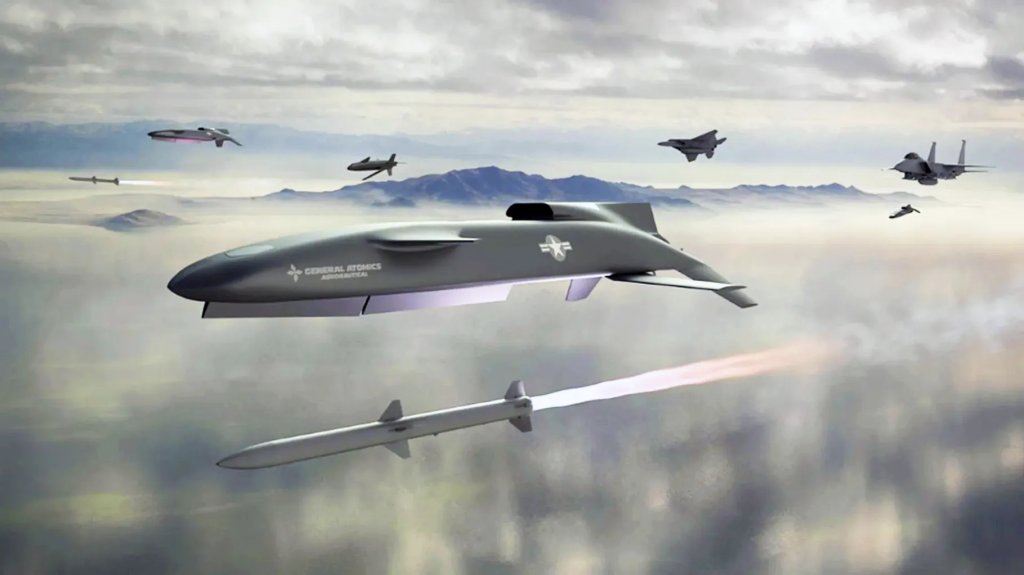
The overall design of LongShot resembles that of a cruise missile, featuring an elongated fuselage and a chined nose. The reverse-swept main wings are situated towards the rear, enhanced by small canards at the front that deploy post-launch. The aircraft is also characterized by an inverted V-shaped twin-tail configuration, along with a vertical strake that rises slightly from the dorsal engine air intake.

The X-68A’s specifications indicate it is powered by a single Williams WJ38-15 turbojet. With this engine, LongShot may achieve a high subsonic top speed. This engine is also utilized in the German-Swedish Taurus KEPD 350 air-launched cruise missile, further solidifying LongShot’s capabilities in the field.
Notably, the drone’s parachute recovery system is currently aimed for use in testing and training scenarios rather than actual combat. According to General Atomics spokesperson C. Mark Brinkley, “LongShot is intended for conflict. In combat scenarios, recovery isn’t really practical, but for testing, it is recoverable.”

The initial test launch will be conducted from an F-15, noted for its capability to carry significant payloads. This versatility has already seen F-15 variants deployed in various roles, demonstrating the aircraft’s adaptability for different military missions.
DARPA and General Atomics also envision potential for launching X-68As from bomber internal bays, or even from cargo aircraft utilizing the Rapid Dragon palletized munitions system.
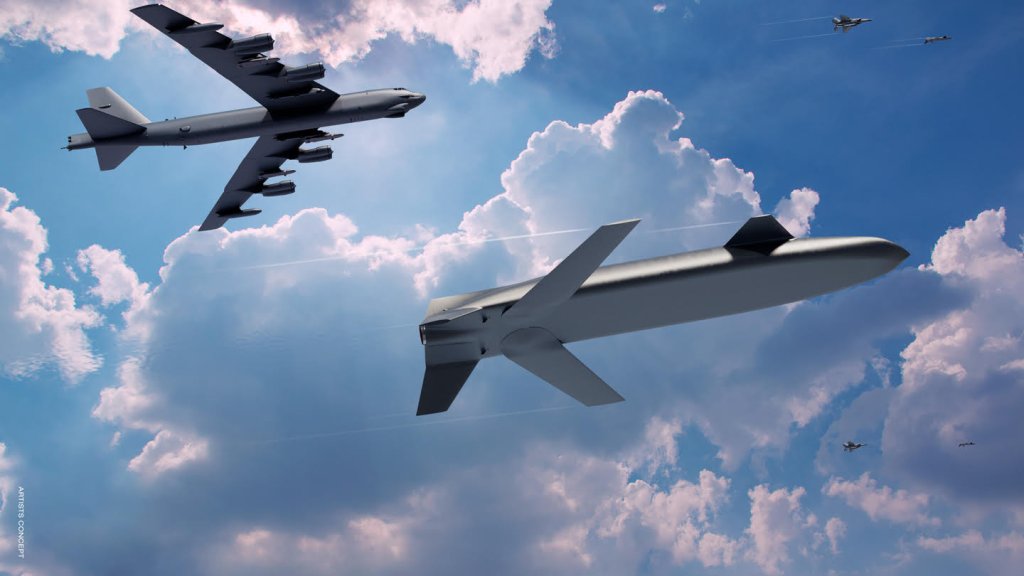

As detailed previously: LongShot is designed to increase the engagement radius for launch platforms, keeping them away from threats while allowing uncrewed aircraft to penetrate high-risk areas before missile engagement. This strategy significantly expands the operational area for tactical jets like the F-15.
These drones could harness targeting data sourced from outside their launch platforms, relying on evolving long-range “kill web” architectures. As these networks grow, the probability of munitions targeting subjects outside a platform’s sensor range increases, thereby enhancing mission effectiveness.
The deployment of LongShot drones from larger platforms may achieve saturation of specific battle segments quickly and enhance localized defense for bigger aircraft, all while minimizing the operational stress of accompanying assets.

While the LongShot program emphasizes scenarios involving direct platform control, there’s potential for operating the drones via longer-range datalinks or signal relays. This flexibility may offer handover capabilities amongst control nodes and enhance autonomous performance post-launch, thereby simplifying operational management.
According to Patrick “Mike” Shortsleeve, a General Atomics executive: “LongShot represents another iteration of what we’re doing for disruption, aiming to revolutionize the way air dominance is achieved.” This perspective highlights the drone’s potential pivotal role in reshaping aerial engagements.
General Atomics Update From Air, Space & Cyber 2025: CCA, LongShot, 9M Flight Hours
The complexities of employing expendable drones such as LongShot in real combat situations remain subjects for analysis, particularly the cost-effectiveness compared to using reusable drones or advanced longer-ranged missiles. Yet, the Air Force may find the LongShot program essential in addressing operational needs that alternative solutions cannot fulfill.
LongShot stands to contribute to the future of U.S. military capabilities, playing an integral role in upcoming uncrewed aircraft initiatives, notably in the collaborative combat aircraft (CCA) programs spearheaded by the U.S. Air Force, Marine Corps, and Navy. Future integrations may see LongShot drones augment other aircraft platforms, improving effectiveness across various military operations.
As outlined by DARPA, ongoing “ground and integration testing” is paving the way toward “the safe and effective employment of the X-68A from an F-15.” This initiative will confirm the flight readiness of the LongShot and ensure its capability to safely eject a captive sub-munition after a long-awaited journey toward first flight.
Contact the author: joe@twz.com