


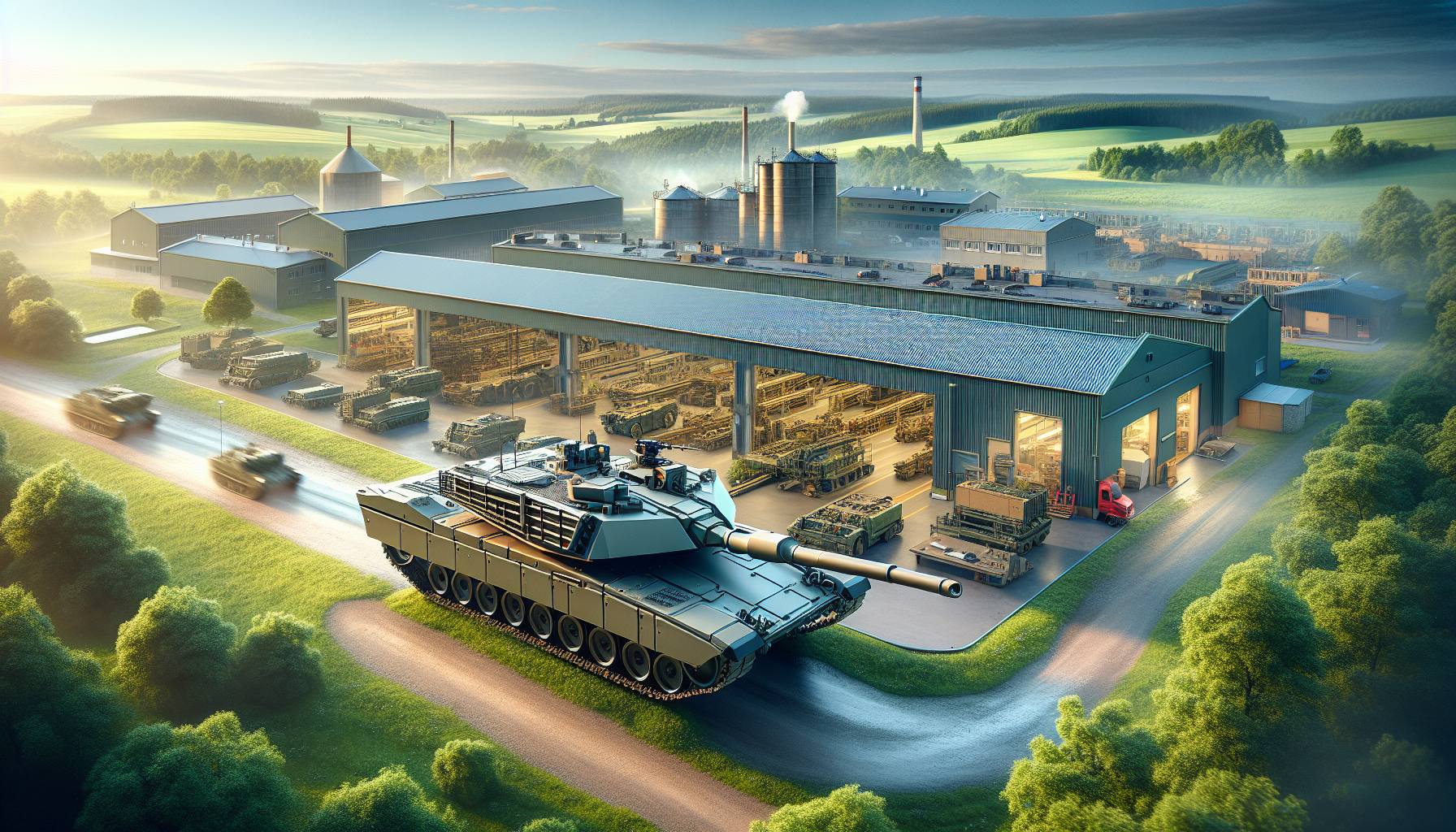
Strategic Ambitions in Defense Manufacturing
At the Munich Security Conference, Estonia’s Defense Minister, Hanno Pevkur, articulated a clear ambition for Estonia: to forge a significant role within the supply chain of a collaborative European initiative centered on the CV90 infantry fighting vehicle (IFV). This represents not just a tactical move, but a strategic pivot as Estonia positions itself as an active player in a rapidly evolving European defense landscape.
Key Points of Negotiation
Pevkur underscored the importance of negotiating technology transfer agreements with BAE Systems Hägglunds, the manufacturer of the CV90. Central to these discussions are two primary areas of focus:
-
Technology Transfer: This refers to how much proprietary technology BAE is willing to share, enabling Estonia to take steps toward local production.
-
Local Manufacturing: Estonian discussions include the feasibility of creating local facilities to produce critical components, such as commander’s cameras and wiring, once the specifications of the upgraded Mk IV design are settled.
These conversations highlight Estonia’s commitment to bolster its defense industrial base, signaling a broader trend toward self-reliance amidst collaborative European defense initiatives.
Collaborative Framework Among Nations
Estonia is part of a coalition of six European nations, which includes Finland, Sweden, Norway, Lithuania, and the Netherlands, that signed a memorandum last year for the joint acquisition of CV90 IFVs. This collaborative framework goes beyond mere procurement; it aims to create synergies in regional defense production. Finland, in particular, is poised to make a significant investment in this vehicle, with potential costs reaching into the billions of euros.
However, achieving the ambitious goals set forth by this coalition is fraught with challenges. The logistics of production and delivery must be meticulously coordinated, especially given varying national interests and differing levels of domestic industrial capacity among the partners.
Production Capabilities and Integration Challenges
Pevkur noted that many Estonian companies are primed to join the CV90 supply chain, showcasing strengths in areas like electrical wiring and welding. Yet, aligning these capabilities with the Mk IV design remains a work in progress. Estonia currently operates the Mk III version, granting it a level of familiarity that may ease the transition to the newer model as part of the larger collaborative effort.
BAE Systems Hägglunds has engaged in talks with all participant nations, although it has kept details about contracts and timelines under wraps. This confidentiality is a standard practice in defense procurement, particularly when multiple nations are involved in a coordinated effort.
Timeline Pressures
Minister Pevkur laid out Estonia’s goal for commencing vehicle deliveries by the end of 2030—a target that does not necessarily align with BAE’s existing production projections. This timeline introduces an additional layer of complexity. Effective negotiations are essential to ensure that deliveries meet the expectations set by the European Union’s Security Action for Europe (SAFE) initiative, which stipulates conditions for securing joint procurement loans.
EU Security Strategy
The SAFE initiative, boasting a budget of €150 billion ($177 billion), mandates participation from at least two nations for joint procurement loans, reflecting the EU’s commitment to strategic defense independence. This initiative illustrates a broader trend in European defense cooperation focused on decreasing reliance on U.S. military technology while fostering domestic capabilities.
Estonia aims to secure approximately 10% of the total CV90 units being acquired through this collaborative effort, reinforcing the importance of this deal for both national security and the cohesion of European defense strategy.
Regional Milestones and Procurement Initiatives
Lithuania has already taken significant steps by committing to the purchase of 100 CV90 units under this joint strategy, with initial deliveries scheduled to commence in 2028. This collective procurement framework has the potential to emerge as one of the largest contracts in BAE Systems Hägglunds’ history.
Simultaneously, Slovakia is advancing its plans to procure CV90 Mk IV vehicles, with a rollout ceremony planned at BAE’s production site. Bratislava’s order for 152 units signals growing regional interest in advanced armored vehicles, aligning with the broader objectives of the coalition.
Implications for Future Defense Collaboration
Estonia’s forward-thinking approach to integrating into the European defense supply chain not only strengthens its national security posture but also plays a crucial role in collective European defense initiatives. Ongoing negotiations with BAE Systems Hägglunds will significantly influence the future trajectory of military vehicle production across Europe. By aligning strategic and tactical requirements within this collaborative framework, Estonia and its partners are setting a foundation that could serve as a blueprint for future European defense endeavors, enhancing regional integration and military readiness.