


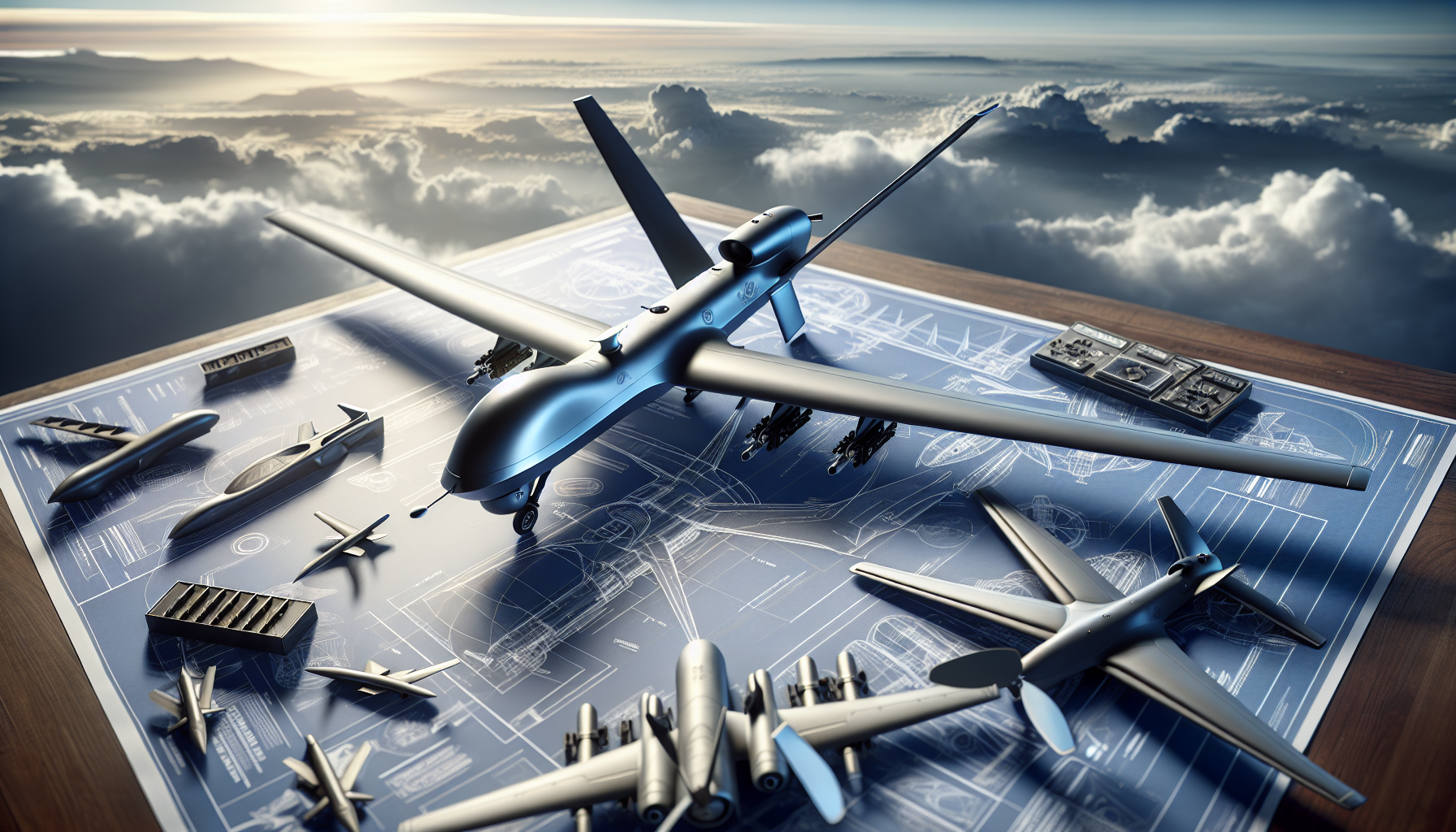
The Air and Space Forces Association Warfare Symposium serves as a pivotal platform for military aviation advancements, particularly in the realm of unmanned aerial systems (UAS). On the very first day of the symposium, U.S. Air Force leaders shone a spotlight on the groundbreaking developments within the Collaborative Combat Aircraft (CCA) initiative, especially highlighting the commencement of flight tests for armed drones.
Rapid Progress in Drone Development
General Kenneth Wilsbach, the Air Force Chief of Staff, delivered a compelling keynote address that underscored the extraordinarily accelerated pace of CCA development. According to Wilsbach, progress is being made at a rate that significantly surpasses that of traditional acquisition programs. This swift evolution is aimed at bolstering the capabilities essential for future air combat operations.
A prime example of this rapid advancement is the YFQ-44A drone, which has been developed by Anduril Industries. It has embarked on flight tests while carrying inert munitions, specifically an AIM-120 AMRAAM missile, during captive carry testing. This crucial testing phase assesses both the structural integrity and aerodynamic performance of the drone while validating its compatibility with various weapons systems.
Key Objectives of the Captive Carry Testing
- Safety and Performance: The testing aims to evaluate the drone’s capacity to safely transport external ordnance without compromising functionality.
- Integration Checks: Ensuring the drone’s structural soundness and aerodynamic efficiency for optimal performance.
- Operational Readiness: Preparing for potential live ordinance deployment while adhering to strict oversight protocols.
The Air Force has firmly stated that a human operator will always maintain control over weapon release. This commitment ensures that the CCA initiative remains aligned with established command structures and legal frameworks guiding military operations.
Emerging Dynamics of CCA Partnerships
Jason Levin from Anduril elaborated on the collaborative efforts underway with the Air Force to enhance the capabilities of the YFQ-44A. Future plans involve the initiation of autonomous operations, allowing the drone to function alongside both crewed fighter aircraft and UAS in increasingly complex missions. This progression indicates a significant shift towards integrating unmanned systems within established air operations.
On a similar note, General Atomics, producers of the YFQ-42A, have made strides in their drone development; however, specific timelines regarding their testing phases have not yet been divulged. Still, the company expresses confidence in its extensive experience with weapon integration across various platforms, asserting a solid foothold in the uncrewed aircraft sector.
Notable Industry Updates
- General Atomics has introduced the name “Dark Merlin” for its YFQ-42A, marking a distinct commitment to brand identity amid the fast-evolving CCA market.
- Northrop Grumman unveiled its YFQ-48A, branded as “Talon Blue,” demonstrating a focus on modular and cost-effective solutions that align with the challenges of modern warfare.
Strategic Shifts in CCA Supply Chains
In a related development, Kratos Defense is pivoting to become a merchant supplier of tactical drones, aiming to seize a niche amidst intensifying competition. CEO Eric DeMarco has emphasized Kratos’s unique market position, especially given its drones’ operational history compared to newer industry entrants.
By forming partnerships with established defense primes like Northrop Grumman, Kratos seeks to augment its role in the Marine Corps’ MUX TACAIR program. This collaboration intends to fuse Kratos’s unmanned XQ-58 Valkyrie with Northrop’s advanced autonomy software, creating a more robust drone capability for the U.S. military.
Implications for Future Defense Contracts
- Enhanced Partnerships: Through strategic collaborations, Kratos is positioning itself as a vital supplier for increasingly complex mission systems.
- Integrated Strategies: Collaborations with major firms like Northrop Grumman elevate the likelihood of successful bids for forthcoming defense contracts.
- Potential Growth: Kratos’s evolving role illustrates a broader trend, where medium-sized firms can effectively provide specialized solutions in a competitive defense landscape.