


Major Escalation: The Attack on Iran and Its Aftermath
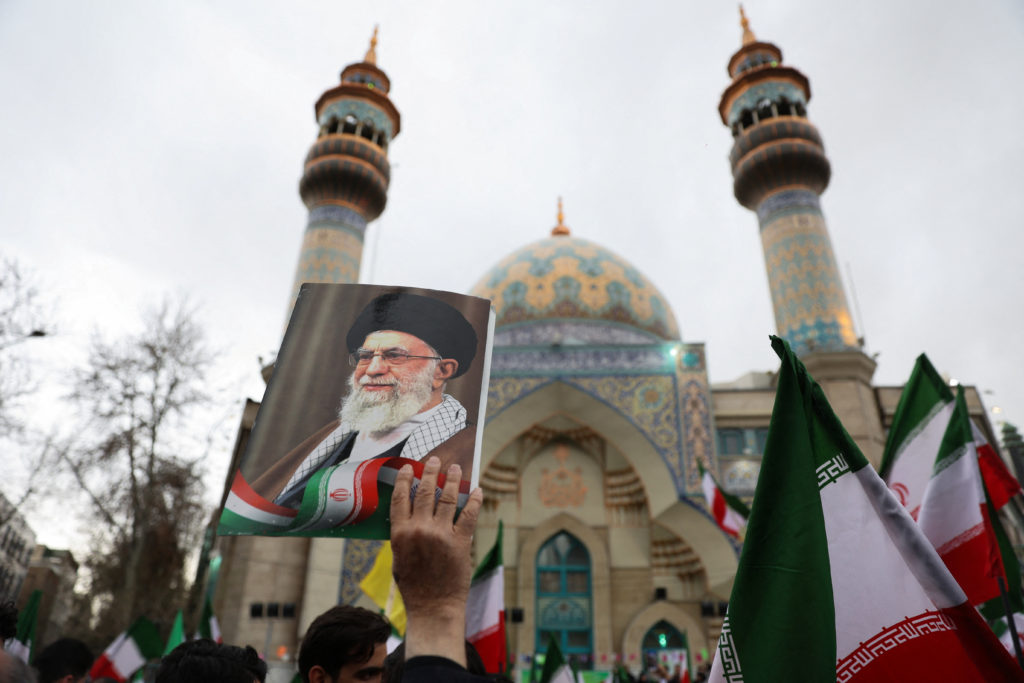
In a shocking turn of events, Ayatollah Ali Khamenei, the Supreme Leader of Iran, has reportedly been killed in a major joint attack carried out by Israel and the United States. This development, described by President Donald Trump as the “greatest chance” for the Iranian people to reclaim their country, marks a significant escalation in U.S. and Israeli military involvement in the region.
Airstrikes and Immediate Response
The announcement followed a series of aerial bombardments targeting Iranian military and governmental sites. According to Trump, the strikes were described as “heavy and pinpoint bombing” and are expected to continue throughout the week or as long as necessary. There was no immediate confirmation from Iranian sources regarding Khamenei’s status, leading to heightened tensions both regionally and internationally.
After the initial strikes, Iran retaliated, launching missiles and drones toward Israeli and U.S. military bases in the region. This swift response underscores the precarious situation in the Middle East, where military aggression from one side often elicits immediate and severe retaliation from the other.
International Response and Reactions
As the situation unfolds, the International Atomic Energy Agency (IAEA) announced a special session to discuss the military actions involving both the U.S. and Israel. Russia has condemned the joint strikes as a “preplanned and unprovoked act of armed aggression,” calling for a cessation of hostilities and a return to diplomatic negotiations.
Tensions were further exacerbated during an emergency UN Security Council session, where U.S. and Iranian diplomats exchanged heated remarks. Iranian representatives condemned the U.S. for its military actions while the U.S. ambassador countered by highlighting the Iranian regime’s history of oppression against its own people.
Statements from Global Leaders
Israel’s U.N. Ambassador Danny Danon asserted that the military action was necessary in light of perceived threats from Iran, particularly citing chants of “Death to Israel, Death to America” as justifications for the strikes. He emphasized that diplomacy had been exhausted and that this military intervention aimed to curb what he termed an “existential threat.”
Other nations, including those in the Arab world, swiftly condemned Iran’s missile attacks on Gulf states, while calling for collective security against Iranian aggression. The reactions illustrate a complex web of alliances and antagonisms that characterize the Middle East landscape.
Casualties and Humanitarian Impact
Reports emerging from Iran indicate that the airstrikes have resulted in a significant number of civilian casualties. Iranian state media reported at least 201 deaths and hundreds of injuries across multiple provinces, leading to widespread humanitarian concerns. Iran’s paramilitary forces claimed that U.S.-Israeli strikes had deliberately targeted civilian infrastructure, calling them war crimes.
Conversely, in Israel, a woman in the Tel Aviv area was reported dead following Iranian missile strikes, marking the first confirmed civilian casualty in Israel amidst escalating violence.
Escalation in Military Action
The strikes on Iran, reportedly involving approximately 200 Israeli fighter jets and targeting over 500 sites, represent one of the most significant military engagements in the region in years. U.S. Central Command described the operation as the “largest regional concentration of American military firepower in a generation,” highlighting the serious commitment both nations have toward their military objectives.
Domestic Reactions within Iran
In Iran, the government quickly mobilized responses to the attacks, warning its citizens about the escalating conflict. Reports suggest that there was a rush to stockpile goods, as citizens anticipated potential shortages amid fears of prolonged hostilities. Supermarkets saw significant demand for essential supplies like bread and water, indicating public sentiment of impending crisis.
The Political Landscape
The situation also poses challenges to the Iranian political landscape following Khamenei’s reported death. The absence of a clear successor leaves the nation in a state of uncertainty regarding leadership. Experts warn that the lack of established leadership could lead to increased instability within Iran, affecting its governance and regional policies.
Economic Ramifications
The escalating conflict poses potential consequences for global oil markets. Following the attacks, analysts noted that disturbances in Middle Eastern oil supplies could lead to price spikes, further complicating economic conditions amidst already rising inflation rates worldwide.
Diplomatic Efforts and Future Prospects
European leaders have called for immediate restraint and renewed diplomatic dialogue to prevent the situation from spiraling further out of control. The EU’s foreign ministers are scheduled to meet to discuss the ongoing crisis, emphasizing the importance of finding a diplomatic solution to the conflict.
Conclusion of Military Action?
As both the U.S. and Israel remain resolute in their military objectives, international stakeholders are closely monitoring the developments. Despite the current military actions, there is a palpable hope among various parties for a de-escalation of tensions and a return to negotiations, which have historically been fraught with challenges but remain essential for long-term stability in the region.
The situation continues to evolve, with local and international dynamics playing crucial roles in shaping the future of the region and potential outcomes of ongoing aggression and retaliation between Iran, Israel, and the United States.