


Turbulent Times: U.S. Military Escalation in the Middle East Amid Ongoing Conflict
Deployment of Forces
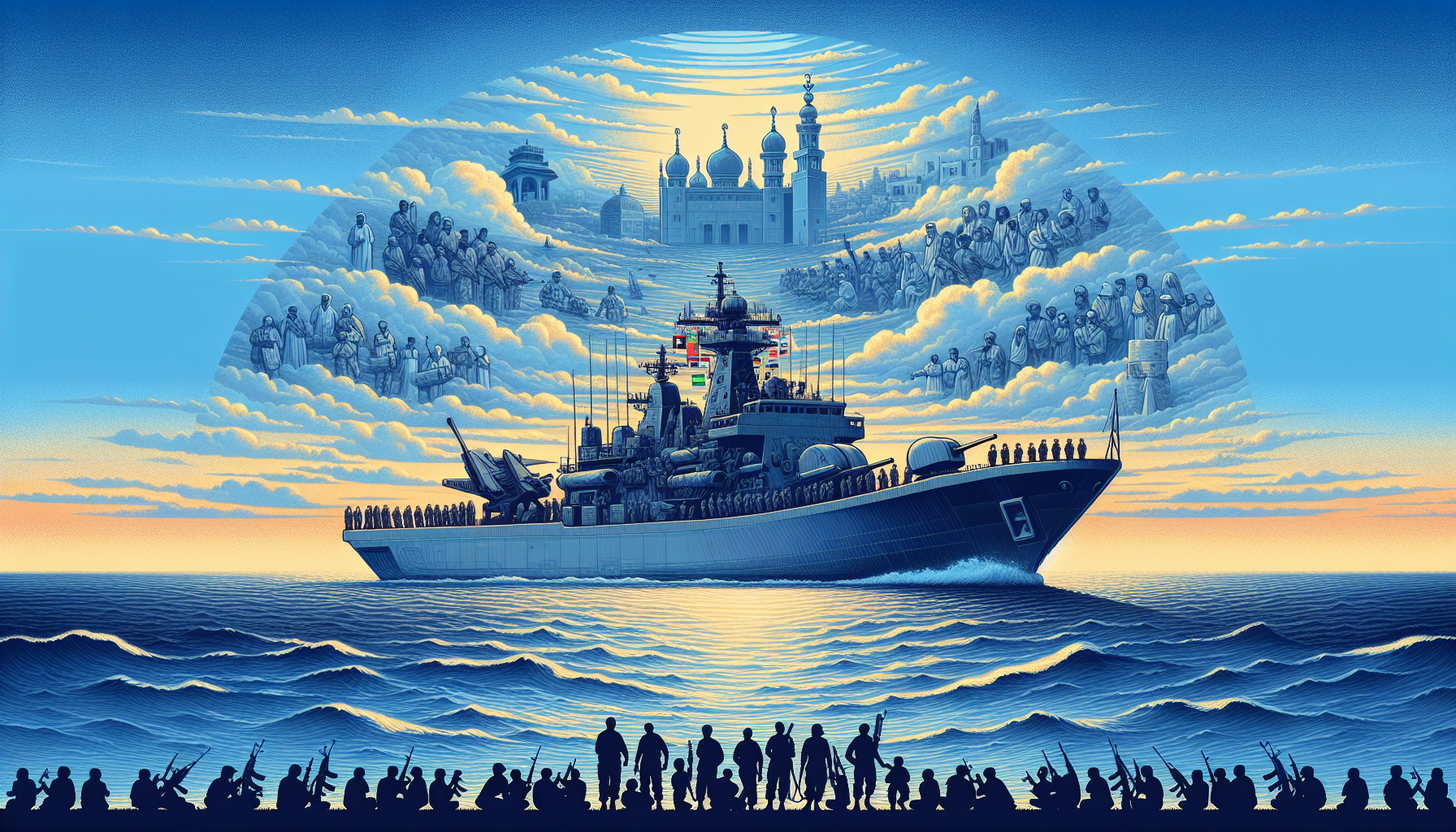
In a significant development in the ongoing conflict involving Iran, the American military has dispatched 2,500 marines along with an amphibious assault ship, the USS Tripoli, to the Middle East. This move comes after nearly two weeks of intensifying hostilities, emphasizing the urgency and seriousness of the situation. A U.S. official disclosed this information on Friday, suggesting that this deployment is part of a broader strategy to enhance American military presence in a volatile region.
The Situation in Tehran
Amidst these escalatory measures, the Iranian capital of Tehran witnessed a large explosion in Ferdowsi Square, where thousands gathered for an annual Quds Day event. This rally, organized by the state, aimed to express solidarity with Palestinians and signal opposition to Israel. Notably, Israel had previously issued warnings about targeting this area. While the explosion caused panic, reports indicated no immediate casualties, highlighting the complex interplay of propaganda and military maneuvering as both sides seek to assert their narratives.
Iran’s Continued Aggression
Iran’s military operations have not waned; the country has launched widespread missile and drone attacks targeting Israel and neighboring Gulf nations. The strategic closure of the Strait of Hormuz—a critical maritime route through which a substantial portion of the world’s oil is traded—further underscores Iran’s resolve. Concurrently, U.S. and Israeli forces have conducted airstrikes, targeting Iranian military infrastructure, claiming to have hit over 200 sites in a short span.
Marine Composition and Capabilities
The newly deployed elements, part of the 31st Marine Expeditionary Unit, bring specialized capabilities that go beyond traditional combat. Trained for amphibious landings, this unit also excels in embassy security, civilian evacuations, and disaster relief, showcasing the multifaceted role of U.S. forces in the region. It’s essential to note that this deployment does not foretell an imminent ground invasion but rather serves as a precautionary measure to bolster security.
Analyzing the U.S. Military Strategy
The strategic positioning of the USS Tripoli and its associated Marine units is noteworthy. Based in Japan, the ship has been operating off the coast of Taiwan, emphasizing the U.S. commitment to maintaining a robust presence in the Asia-Pacific while being poised to respond in the Middle East. Estimates suggest that while the exact numbers of U.S. troops engaged in the region fluctuate, major bases like Al-Udeid Air Base typically house around 8,000 personnel.
Strikes on Iranian Infrastructure
U.S. military actions have targeted critical infrastructure in Iran, including the significant oil export terminal located on Kharg Island. As President Trump indicated, the U.S. has “obliterated” numerous military targets, with plans to disrupt Iran’s oil exports potentially next on the agenda. This aggressive stance is aimed at crippling Iran’s ability to wage war and dissuade further confrontations.
Domestic Unrest and Propaganda in Iran
Back in Iran, Supreme Leader Mojtaba Khamenei has made his first public statements since the onset of conflict, vowing to persist in military engagements and potentially widen the scope of the war. His leadership has faced scrutiny due to suspicious health concerns following a recent airstrike, raising questions about Iran’s political stability amidst warfare.
Sustained Controversy in Tehran
Despite the violence and chaos, the Quds Day rally proceeded, reflecting the resolve of Iranian leaders to maintain appearances of popularity and support against foreign adversaries. However, the government’s strict internet controls pose challenges for accurate information dissemination, leaving many unaware of real-time developments, including the threats posed by Israeli forces.
International Fallout and Casualties
Reports from both sides indicate substantial casualties, with claims of over 1,300 dead in Iran and about 12 reported in Israel. The U.S. has confirmed at least 13 fatalities among its soldiers, further complicating the military landscape of the region and amplifying the urgent need for diplomatic solutions.
Spreading Conflict Across Borders
In recent days, Iran’s aggressive posture has propelled attacks beyond its borders, impacting Saudi Arabia and Lebanon, with multiple casualties reported from missile strikes directed at civilian and military structures. Foreign nations, particularly those with U.S. military presence, have heightened their defense measures in response to these continuous threats.
Interception of Iranian Missiles
U.S. naval forces have engaged in several missile interceptions over the last fortnight, responding to Iran’s launches that target both military and civilian infrastructures across regional boundaries. The interception capabilities showcased by assets like the USS Oscar Austin reveal the U.S. intent to protect its interests and allies in an increasingly dangerous environment.
Ongoing Tensions and Warfare
As military actions unfold, both Iranian and U.S. forces remain on high alert. The unpredictability of each nation’s tactics, combined with their public posturing, creates an atmosphere ripe for escalation, underscoring the global ramifications of a conflict that intertwines regional stability with international economic impacts. The strategic chess game in the Middle East is far from over, as both sides prepare for potential further confrontations.