


The U.S. War on Iran: High-Tech Warfare Meets Economic Strain
The ongoing conflict between the U.S. and Iran has starkly revealed a duality within one of the world’s most advanced military forces. The latest military engagement showcases breathtaking technological advancements, including AI-driven strategies and sophisticated weaponry that have allowed for rapid and precise strikes. Yet, on the flip side, the necessity to defend against Iran’s retaliatory missile and drone strikes has strained resources and raised vital questions about sustainability and economic efficiency in modern warfare.
Air Campaigns and High-Tech Warfare
Since the onset of the conflict, the United States has executed an astonishing number of airstrikes—over 7,000—targeting critical Iranian military installations. Israel has played a parallel role, conducting a similar number of sorties. Notably, cutting-edge AI technology, such as Anthropic’s Claude, has been employed to streamline target selection, operating “much quicker in some ways than the speed of thought.” This relentless bombardment has led to significant damages to Iran’s military capabilities and command structure.
However, despite these advances, Iran has displayed resilience. The country has effectively utilized cheap drones, allowing its remaining forces to retain combat potential. Iranian drones have been deployed to threaten Gulf neighbors and disrupt maritime traffic in the strategically crucial Strait of Hormuz, where a significant portion of the world’s oil passes through. This duality of high-tech offense paired with a low-cost defense strategy highlights the complexities of contemporary military engagements.
The Economics of Warfare
The economic ramifications of this conflict are sobering. Within just the first six days, the U.S. incurred over $11 billion in expenses, primarily due to the reliance on expensive precision munitions. The military has been compelled to switch to less costly ordnance to mitigate daily expenditures, yet the overall financial toll remains staggering.
One of the most alarming aspects is the cost disparity between offensive and defensive measures. For every multimillion-dollar missile fired, the enemy may deploy drones worth only tens of thousands. This situation creates a paradox in defense economics: it’s akin to deploying a Formula 1 racer against a used car for routine errands.
Pentagon officials have assured that the U.S. maintains adequate munitions stockpiles, although precise inventory details remain classified. Nevertheless, the extensive utilization of these resources has sparked concerns—especially in light of potential future conflicts involving powers such as Russia or China.
Legislative Response and Budgetary Concerns
Amid these developments, lawmakers have faced shock as reports emerged of the Pentagon seeking an additional $200 billion for the ongoing war. This estimate includes investments aimed at replenishing precision munitions stockpiles while also invigorating the defense industry to ramp up production. President Donald Trump even convened major defense contractors at the White House to stress the urgency of accelerating production.
However, military manufacturers face limitations regarding output. For instance, Lockheed Martin manufactured only 620 PAC-3 interceptors in the previous year, with ambitions to exceed 2,000 annually by 2030. Such projections indicate a lag in meeting urgent demands for advanced defensive systems.
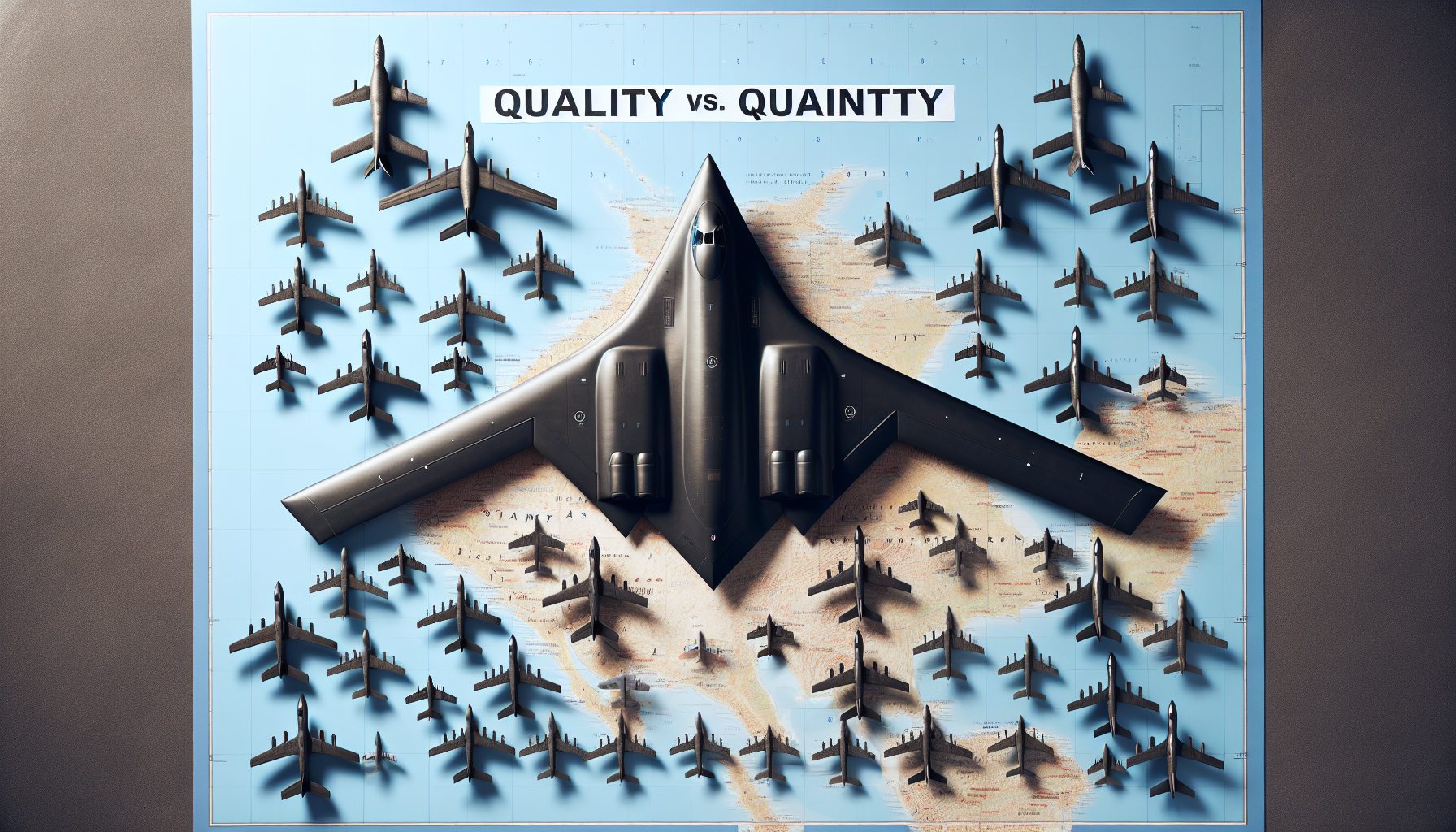
The dilemmas posed by the current conflict evoke sentiments echoed by Joseph Stalin during WWII: “quantity has a quality all its own.” As traditional metrics of military superiority and capability are re-evaluated in the modern context, these quote resonates within military circles today.
The Transformation of Warfare in the Ukraine Context
The war in Ukraine has further altered perceptions of military effectiveness. As the U.S. has perpetually focused on cutting-edge technologies to maintain its dominance, the rapid elevation in costs has complicated procurement processes. During the Iraq War, for instance, military planners sought more cost-effective, readily adaptable solutions.
The swift advent of inexpensive commercial drone technology has redefined the battlefield—rendering traditional war strategies less effective and pushing military forces to adapt rapidly. In Ukraine, for example, small drones have become crucial in the conflict, successfully targeting individual troops and vehicles.
This evolution in warfare has been significant enough that the Ukrainian military has developed the capacity to mass-produce drones capable of counteracting Iranian drones used by Russian forces. Remarkably, such a drone—the P1-Sun—can be produced for approximately $1,000, showcasing how low production costs can alter strategic equations on the battlefield.
In a recent comment, former CIA Director David Patraeus noted that Ukraine’s burgeoning capability to produce millions of drones per year—currently estimated at around 7 million—allows for daily operations utilizing thousands of drones. This represents a notable shift from traditional military engagements where superior technology dominated the narrative.
The Need for New Defense Strategies
As the realities of drone warfare become increasingly pronounced, the challenges of defending against swarm tactics necessitate innovative approaches. Defense experts suggest that energy weapons, such as high-powered microwaves, may be required to neutralize drone swarms effectively.
Generals and military officials have voiced concerns about the U.S. falling behind in adapting to these transformative changes in warfare. They emphasize the need for continuous innovation and rapid updates to both hardware and software to remain competitive against evolving threats.
Gulf nations affected by Iranian drone attacks have also looked to collaborate with Ukraine, which has developed combat-proven interceptors. President Zelenskyy has indicated Ukraine’s capacity to produce at least 2,000 effective interceptors daily, amplifying the potential response options for vulnerable regions facing similar threats.
The Pentagon has recognized these emerging trends by developing its own drone systems, such as a U.S. copycat of the Iranian Shahed. Discussions emphasize mass production strategies to ensure readiness and maintain defense effectiveness amid ongoing global competition.
Navigating Future Conflicts
The complexities unveiled by the U.S. conflict with Iran extend beyond tactical and technological implications; they reflect a fundamental rethinking of what modern warfare entails in terms of economic viability, strategic resource management, and the enduring tension between advanced capabilities and unconventional tactics. As military powers grapple with rapidly changing landscapes, the lessons learned today might very well shape the future of global security engagements.