### Ongoing Diplomatic Efforts
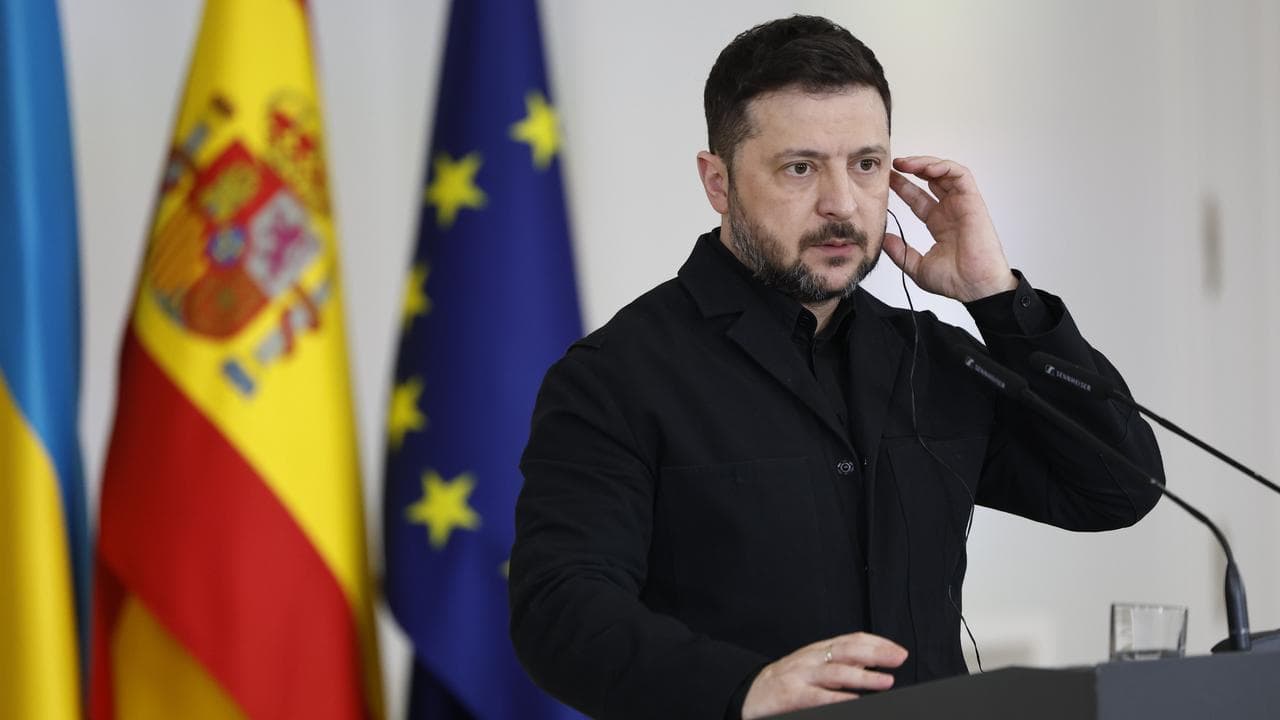
Recent diplomatic efforts between Ukrainian and U.S. officials have marked a significant step in the quest to find resolutions for the ongoing war with Russia, which has persisted for four years. In a recent update, President Volodymyr Zelenskiy expressed cautious optimism regarding potential prisoner of war exchanges stemming from the talks that wrapped up in Florida. This gathering, devoid of direct Russian participation, underscores both the seriousness of the negotiations and the complexity of the geopolitical situation.
The talks, initially slated for Abu Dhabi, saw U.S. representatives—including special envoy Steve Witkoff and Jared Kushner, son-in-law of former President Donald Trump—engage in discussions focused on resolving the conflict. Zelenskiy emphasized the urgency of addressing the situation, stating, “Russia’s war against Ukraine must also be brought to an end.” His summation reflects an awareness of competing international priorities, particularly concerning Iran.
### The Shadow Fleet Challenge
A crucial element of the discussions revolved around targeting Russia’s shadow fleet—illegally operated tankers circumventing sanctions to facilitate oil trade and bolster Russia’s finances. Zelenskiy urged allies to apply greater pressure to dismantle this operation, insisting that tankers contributing to Russia’s military budget should face stricter enforcement measures, constraining their freedom to operate in European waters.
“Russia’s shadow fleet must not feel safe… Tankers that serve the war budget can and must be stopped,” Zelenskiy asserted, aiming to highlight the multifaceted approach needed to weaken Russia’s financial underpinnings in the ongoing war.
### Political Pressures and Peace Negotiations
As discussions unfold, the proposal for a peace plan led by the U.S. has started to take shape, which may require a presidential election in Ukraine, accompanied by potential territorial concessions. This political maneuvering occurs within a context where Zelenskiy’s presidency is under scrutiny, particularly from U.S. channels pushing for electoral processes in Kyiv.
Ukrainian law restricts elections during wartime, yet Zelenskiy has indicated a willingness to conduct democratic elections, contingent upon achieving a two-month ceasefire. This would allow the necessary groundwork for infrastructure and security guarantees to be laid. However, some Ukrainian leaders, including former Chief of Staff Valeriy Zaluzhnyi, express that the focus should remain on securing victory through military means rather than shifting to electoral processes prematurely.
### The International Landscape
Internationally, Washington has temporarily eased certain sanctions on Russian oil amid the fallout from the war in Iran, complicating the sanctions landscape. While the U.S. navigates its own energy challenges, European allies have thus far remained steadfast in their sanctions stance, creating a divergence in approaches to managing the war’s economic consequences.
This divergence highlights the ongoing tension between immediate energy needs and long-term geopolitical strategies. As Zelenskiy called for unified sanctions, he voiced concern that the economic lifelines provided by oil revenues could prolong the conflict, reemphasizing that unity among allies is paramount to curtailing Russia’s war efforts.
### The Road Ahead
As the talks conclude, uncertainty looms around future negotiations and their potential outcomes. While Zelesnkiy has not specified the timing or format of subsequent discussions, the insistence on continued sanctions and targeted actions against Russia’s financial mechanisms is clear. Ukraine stands at a pivotal juncture, striving to align domestic political considerations with an international coalition effort determined to restore peace and stability.
With the stakes as high as ever, the focus remains on how Ukraine’s leadership can navigate these turbulent waters, ensuring that the sacrifices made for sovereignty and security are honored in the pursuit of a lasting resolution.