


Increasing Threat of Kamikaze Drones: A Case Study from Iraq
Recent Attack on U.S. Military Assets
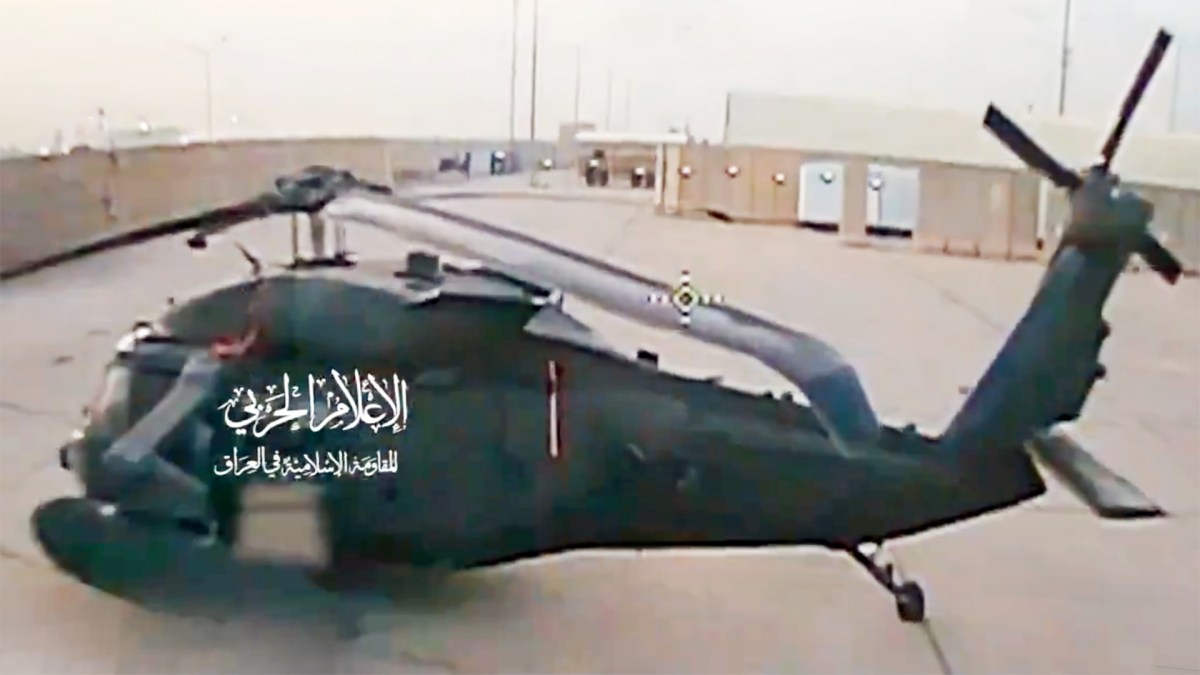
In a significant escalation of drone warfare, short-range kamikaze drones operated by an Iran-aligned militia have struck a U.S. Army Black Hawk helicopter and a critical air defense radar system at an American installation in Iraq. This incident not only marks the first confirmed attack of its kind against a U.S. military aircraft but also highlights a troubling trend in the use of drones in conflict zones. In the weeks leading up to this attack, preliminary drone activity had already been observed in the area, indicating an increasingly volatile and threatening environment for U.S. forces.
Implications of Drone Warfare in the Middle East
The frequent use of small drones by non-state actors in the Middle East underscores a new paradigm in warfare, where unmanned aerial vehicles (UAVs) serve both surveillance and offensive purposes. This development raises alarmingly pertinent questions regarding the security of military installations—not only abroad but also potentially at home. Instances of unauthorized drone incursions over sensitive facilities, including those housing nuclear capabilities, paint a picture of a growing vulnerability that cannot be overlooked.
The Attack Sequence
A chilling video has emerged showing first-person view (FPV) drone technology capturing the moments leading up to the attack on two Black Hawk helicopters, which were protected only by a low blast wall. While the footage ends just before the explosion, analyses indicate that at least one helicopter endured some level of damage. Key details from the attack include:
- Location: The assault occurred at the Victory Base Complex (VBC), which houses various U.S. military facilities near Baghdad International Airport.
- Helicopter Type: The targeted helicopter was an HH-60M, typically used for medical evacuations, as evidenced by obscured identification panels marked with red crosses.
Damage Assessment
Although the extent of the damage to the helicopter remains unclear, the incident highlights the vulnerability of military assets to relatively low-cost yet lethal threats posed by drones. Concurrent video evidence confirms engagement with a containerized AN/MPQ-64 Sentinel radar system during the assault, showing that the radar was operational at the moment of the attack. This incident exemplifies how drones can effectively compromise even well-guarded military installations.
Tactical Considerations
The attack employed organized swarming tactics, involving multiple kamikaze drones, which presents a multifaceted challenge for military defenses. Noteworthy tactical elements from the incident include:
- Detection Challenges: Drones operate at low altitudes, making them difficult to track. Traditional radar systems may struggle to detect such threats, especially if advanced control methods like fiber-optic links are utilized.
- Defensive Shortcomings: The absence of visible U.S. air defenses or electronic warfare countermeasures during the attack raises concerns about the readiness and effectiveness of existing defense systems.
Countering the Drone Threat
The rise of FPV drones complicates operational responses for the U.S. military, which appears to have limited capabilities to counter such threats. Major challenges include:
- Shortage of Effective Systems: Although various counter-drone technologies exist—ranging from directed-energy weapons to interception systems—there’s no confirmation of their deployment at the VBC during the attack.
- Detection Limitations: Low-cost FPV drones are particularly troublesome for defense forces due to their operational stealth, creating significant hurdles for detection and engagement efforts.
Broader Strategic Context
The current operational climate signals a noteworthy trend in the utilization of drones for asymmetric warfare, gaining momentum since the onset of the ongoing conflict in Ukraine. U.S. Defense Secretary Pete Hegseth has underscored the urgency for the Department of Defense to combat the challenges posed by small UAVs, advocating for swift implementation of necessary countermeasures.
Questioning U.S. Military Resilience
Recent attacks have shed light on the vulnerability of U.S. military installations, emphasizing the crucial need for a cohesive counter-drone strategy that addresses the unique risks posed by these technologies. As small drone engagements continue to proliferate, defense policymakers must rigorously assess the U.S. military’s defensive posture and adapt their strategies to the evolving landscape of unmanned aerial threats.
These developments underscore not only immediate tactical challenges, but also the broader strategic implications of drone warfare for future military operations and national security initiatives.