


The New Frontlines of Drone Warfare: Insights from a “60 Minutes” Report
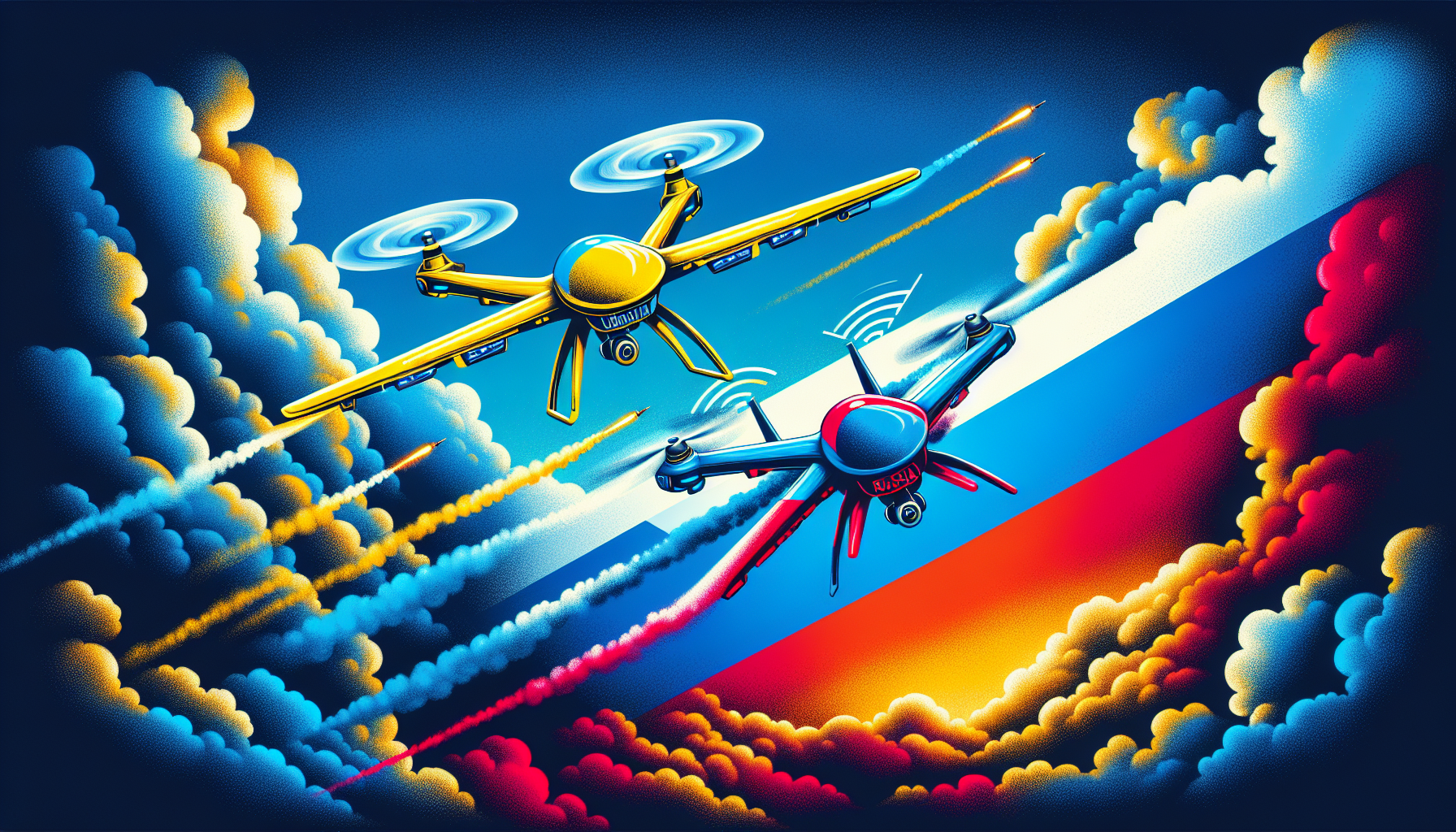
This week, CBS News’ “60 Minutes” presented a compelling exploration of the evolving landscape of drone warfare, spotlighting the fierce competition between Ukraine and Russia. Correspondent Holly Williams and producer Erin Lyall highlighted how both nations are leveraging unmanned aerial vehicles (UAVs) to carve out an advantage in a rapidly changing battlefield.
The Transformative Impact of Drone Strikes
One of the most staggering revelations from the report is that drone strikes contribute to about 80% of combat casualties on both sides. This statistic encapsulates a dramatic shift in how warfare is conducted, turning traditional front lines into expansive zones of aerial conflict. The new battlefield extends at least 10 miles wide, creating what Williams referred to as “kill zones,” where anyone caught within is susceptible to drone attacks.
Insights from Ukrainian Innovators
The report also brought into focus the voices of Ukrainian drone manufacturers and military personnel. Vitali Kolesnichenko, founder of Airlogix, a company dedicated to high-tech aerial surveillance, spoke about the relentless pace at which innovation is required. Kolesnichenko illustrated the urgent need for constant advancement, noting that enhancements often come at a breakneck speed—sometimes within just weeks—to ensure they stay ahead of Russian technological developments.
The Promise and Perils of Swarm Technology
Another intriguing aspect discussed was the anticipation surrounding swarm technology. U.S. Army Captain Ronan Sefton provided insights into how this involves multiple drones working in concert, which can alleviate the cognitive burden on individual operators. However, this innovation brings ethical concerns to the forefront—pushing the boundaries on what it means to engage in warfare.
Ethical Quandaries in Modern Combat
The ethical implications are profound and troubling. Former U.S. Marines, Lenore Karafa and William McNulty, who are actively investing in Ukrainian drone initiatives, expressed their deep-seated worries. They articulated fears regarding the rise of artificial intelligence in combat scenarios, particularly the prospect of machines making autonomous decisions. McNulty painted a chilling picture of drones independently targeting individuals, raising alarms about the future of military engagement.
The Strategic Significance of Human Oversight
In his pivotal role as the architect of Ukraine’s drone program, Oleksandr Kamyshin underscored the critical role of swarm technology in the conflict. He confirmed that both Ukraine and Russia are racing to master this complex technology, which could be decisive in the war. Kamyshin emphasized that Ukraine adheres to European Union guidelines, highlighting the continued importance of human oversight in lethal operations.
Navigating Uncertainty in the Future of Warfare
When Williams probed Kamyshin on the future role of humans in UAV operations, he acknowledged the strategic weight of drones but voiced uncertainty about their eventual oversight. This conversation mirrored the tense atmosphere reminiscent of the Cold War, with Kamyshin illustrating the ongoing strife by stating, “No. It’s a hot war,” emphasizing the urgency that characterizes this modern conflict.
Redefining Military Strategy
The comprehensive insights presented in the “60 Minutes” report shed light on the accelerating advancements in battlefield technologies. As drone capabilities continue to evolve and reshape military tactics, they challenge not only traditional approaches to warfare but also ethical considerations about autonomy, accountability, and the role of human decision-making in armed conflict. The dialogue surrounding these developments is as crucial as the technology itself, ensuring that the future of warfare is approached thoughtfully and responsibly.