


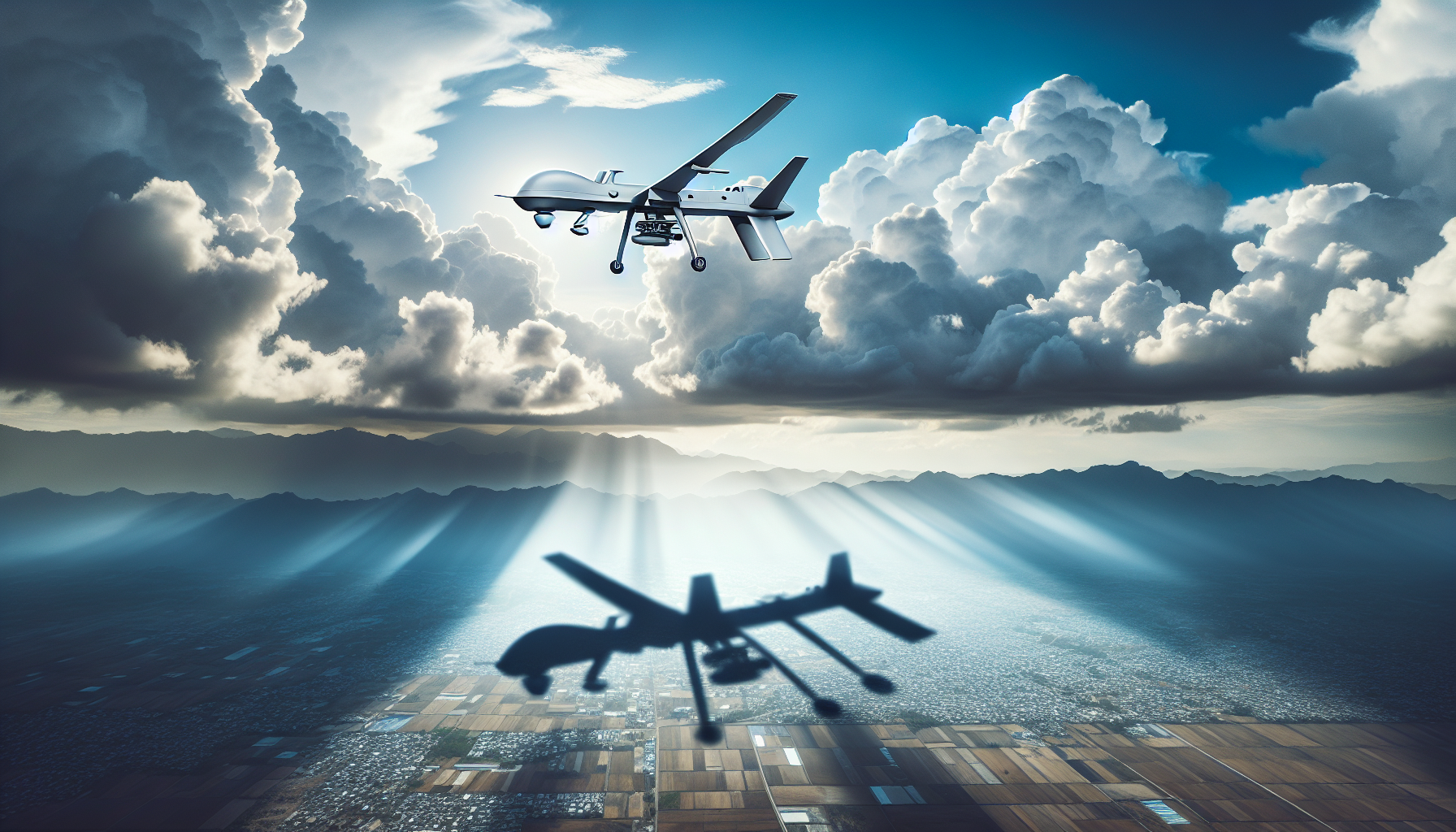
The Ethics of Drone Warfare: Insights from “The Drone Papers”
Two years after Edward Snowden’s monumental leak of classified documents on Western surveillance programs, another whistleblower has emerged, shedding light on the United States’ drone strike operations targeting Islamist terrorists across various regions, including East Africa, the Arabian Peninsula, and Afghanistan. These revelations, published by The Intercept as “The Drone Papers,” have ignited passionate discussions about the ethics and legality of drone warfare.
The Framing of Drone Strikes
The way The Intercept articulates these operations is particularly striking. By labeling drone strikes as “assassinations,” the narrative shifts from a military lens to one rich in moral implications. Assassination traditionally refers to the unlawful killing of a non-combatant, often for political motives. In contrast, drone strikes in declared warfare contexts, against recognized combatants, may not fit this definition.
This framing invites scrutiny of what constitutes a legitimate military action versus an unlawful assassination. The question arises: when does killing become a legal and moral transgression? The distinction between “targeted killings” and “assassinations” is crucial in this discourse, highlighting the societal and legal precedents essential in evaluating such operations.
The Context of Warfare
Understanding the context is vital in determining the morality of these drone strikes. In war, attacking an enemy combatant—even one who poses no immediate threat—is often deemed acceptable. Combatants are considered legitimate targets due to their intent to harm. For instance, Operation Haymaker, aimed at Taliban and al-Qaeda members during a declared conflict, would not fall under the category of assassination because it adheres to the principles of warfare.
However, drone strikes in locations like Somalia and Yemen barely rest on a wartime footing, raising the uncomfortable question of whether these killings can still be justified within traditional military ethics. The blurred lines of modern conflict complicate our understanding of appropriate responses, especially when states navigate a landscape rife with failed states and non-state actors.
The Impact of Technology
The introduction of advanced drone technology further complicates moral and legal considerations. Drones, capable of pinpoint accuracy through GPS and remote control, allow operators to identify targets by name, creating an unsettling alignment with traditional assassination scenarios. This capability does not necessarily alter the underlying ethics of drone strikes but amplifies the discussion about accountability and the responsibility to ensure such operations do not infringe on civilian lives.
In classic combat, a soldier identifies their target through uniforms and battlefield positions. However, drones enable targeted killings against identified individuals, blurring the lines of combat and raising questions of legality.
The Dilemma of Civilian Casualties
One of the most troubling insights from the leaked documents relates to the treatment of civilian casualties. The justifications for drone strikes often hinge upon the statistics regarding collateral damage—the unintentional killing of civilians alongside intended targets. A pointed quote from the whistleblower highlights the alarming assumption that anyone killed in proximity to a targeted strike is implicitly engaged in terrorism unless proven otherwise.
This troubling logic distances the operators from the ethical implications of civilian casualties and runs counter to the stated aim of achieving “near certainty” of no civilian deaths in such operations, as articulated by former President Obama. Such assumptions warrant rigorous scrutiny and should trigger investigations into drone operation norms.
The Question of Oversight and Accountability
At the heart of the discourse surrounding drone warfare is the pressing need for robust institutional oversight to prevent wrongful targeting. While the nature of Islamist terrorism certainly calls for strong countermeasures, it is essential to distinguish between justified military actions and acts that could be considered unlawful assassinations.
Establishing clear guidelines and accountability mechanisms is paramount not only for ethical governance but also for legitimizing the use of drone technology in the realms of national security and foreign policy.
The Nature of Secrecy in Military Operations
Despite the significant revelations, it’s essential to differentiate between the gravity of the current leak and Snowden’s disclosures. Snowden unveiled a far-reaching surveillance program with implications for global internet governance, while details regarding the structure of drone operations had been increasingly public knowledge over the years.
Thus, while The Intercept’s “Drone Papers” provide fresh insights into the mechanics of drone warfare, the narrative shouldn’t obscure the reality of routine military operations that have been operating under a veil of secrecy for years. The portrayal of these documents as groundbreaking may inadvertently detract from broader, ongoing discussions about military ethics and accountability in modern warfare.
In summation, the discourse surrounding drone strikes challenges established moral and legal frameworks, demanding critical engagement with both the technology involved and the profound implications for civilian safety and accountability. The conversation must continue, addressing the complexities of modern warfare and the need for ethical oversight in military operations.