


The RAF’s Pioneering Mini-Helicopter Drones: A New Era in Warfare
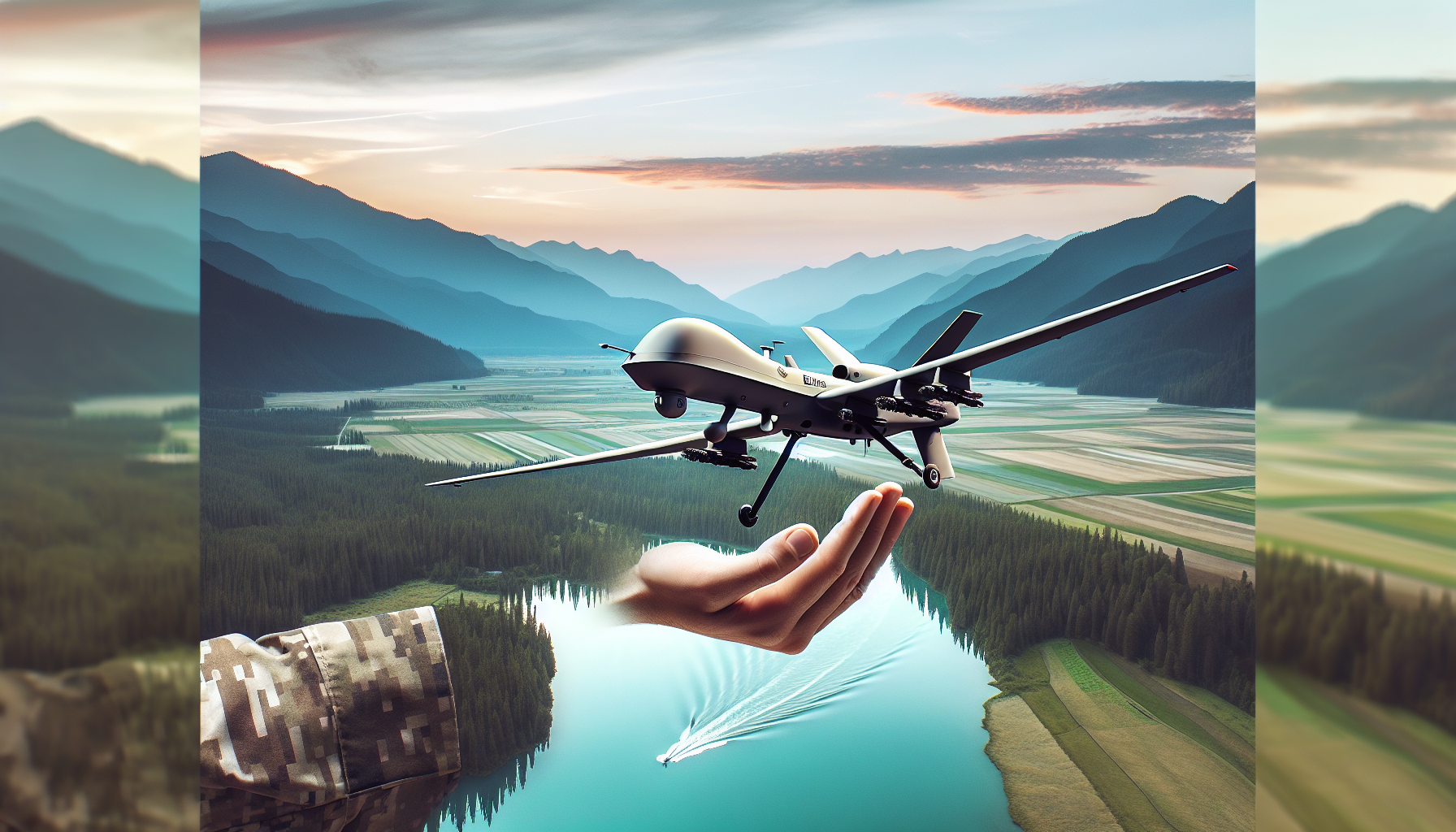
The Royal Air Force (RAF) is at the forefront of military innovation with the development of cutting-edge mini-helicopter drones capable of launching missiles at targets up to four miles away. This advancement highlights how technology is reshaping modern warfare, particularly in the context of recent conflicts like the war in Ukraine.
The Driving Force Behind Innovation
The decision to create these lightweight drones stems from their successful deployment during Ukraine’s resistance against Russia. Reports indicate that these drones can hover above enemy positions and deploy grenades effectively onto armored vehicles while also being equipped to fire 35-pound missiles. This capability transforms the operational dynamics on the battlefield, allowing for precision strikes without the inherent risks for pilots.
Drones: A Historical Perspective
Drones have been integral to warfare since the 19th century, evolving from pilotless hot-air balloons used by Austrians to bomb Venice during conflict. Fast forward to today, and the battlefield is dominated by advanced drones equipped with sophisticated technology. The RAF’s new mini-drones are part of a broader trend towards unmanned systems that offer enhanced tactical flexibility and strike capabilities.
The Impact of Drones in the Ukraine Conflict
Amid ongoing tensions, Ukraine has leaned heavily on drones as a strategic asset. As noted by various analysts, with the West hesitating on supplying long-range munitions, drones have emerged as a game-changer. Reports indicate that Ukrainian forces have formed 60 new attack-drone squadrons, launching incursions well into Russian territory. However, challenges persist, as Russian air defenses significantly limit the range of these reconnaissance drones.
Legal and Ethical Considerations
The rise of drone warfare prompts important legal questions. Currently, there is no specific international law governing drone usage, with references primarily anchored in the Geneva Conventions. Experts like Khalil Dewan highlight critical ethical dilemmas, particularly the legality of extrajudicial killings versus capturing suspects and ensuring fair trials. The legality of drone strikes warrants serious scrutiny, especially in conflicts where formal declarations of war are absent.
Civilian Casualties: A Grave Concern
The toll of drone warfare on civilians cannot be overlooked. The tragic admission by the U.S. regarding a drone strike in Kabul that resulted in 10 civilian deaths reflects a more significant issue within drone operations. Research indicates that drone strikes in regions such as Afghanistan, Pakistan, and Yemen have led to thousands of civilian casualties, casting a long shadow on the military’s justification for their use.
Psychological and Operational Ramifications
The perception that drones represent a dehumanized form of warfare often contrasts with the real experiences of their operators, who report psychological stresses related to their missions. The emotional toll of executing strikes from afar can lead to significant mental health issues among personnel, complicating the narrative that drone warfare is a clean and efficient means of combat.
Artificial Intelligence: The Next Frontier
The integration of artificial intelligence into military drones introduces additional ethical questions. The use of facial recognition technology to identify targets raises concerns about reliability and potential biases, especially against specific demographic groups. Critics warn that the preemptive nature of such operations could lead to unlawful fatalities, with drones potentially executing strikes based solely on predictive analytics rather than confirmed threats.
The Future of Drone Warfare
As military technology rapidly evolves, the implications of drone warfare continue to unfold. The introduction of semi-autonomous drones capable of operating without direct human oversight has sparked intense debate around the ethics of delegating life-and-death decisions to machines. The discussions surrounding these advancements remind us that as technology marches forward, so too must our considerations of morality and legality in combat scenarios.
The development and deployment of the RAF’s mini-helicopter drones mark an important chapter in the history of warfare, reflecting both the promise and peril of advanced military technology. The careful navigation of their legal, ethical, and psychological implications will be crucial in the battles yet to come.