


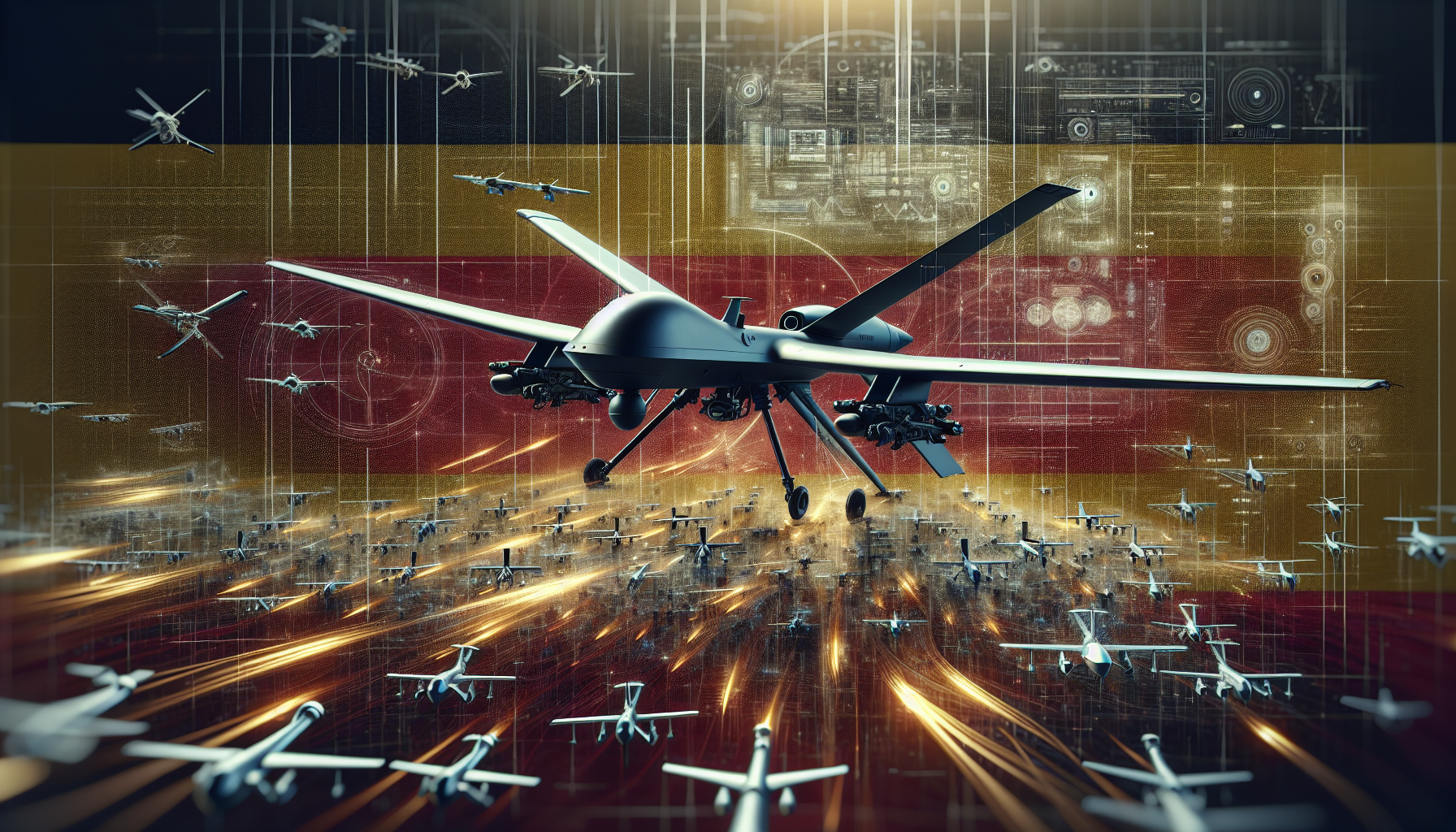
Strengthening Defense Against Drones: New Powers for Germany’s Armed Forces
In an era where technology is rapidly advancing, Germany’s parliament has taken significant steps to bolster the country’s defense against the growing threat posed by unmanned aerial vehicles (UAVs), commonly known as drones. The recent decision to grant broader powers to the German Armed Forces (Bundeswehr) reflects a proactive stance in addressing the challenges associated with UAVs.
Expanded Authority for the Bundeswehr
According to reports from Modern.az, the new legislation permits the Bundeswehr to intercept drones, employ electronic countermeasures, or neutralize UAVs based on requests from civilian agencies. This marks a pivotal shift in the operational capabilities of the Armed Forces, allowing them to respond more effectively to various threats posed by rogue drones in both urban and rural settings.
Legislative Support Across Political Parties
The bill received widespread support during its passage through the Bundestag, with backing from key political players including the ruling Christian Democratic Union/Christian Social Union (CDU/CSU), the Social Democratic Party of Germany (SPD), and even the opposition Alternative for Germany (AfD) party. This cross-party collaboration underscores the urgent recognition of the potential dangers drones can present to national security and public safety.
Urgent Operations and Independent Action
One of the most significant amendments introduced by this legislation is the empowerment of the Ministry of Defense to independently initiate operations in situations deemed to pose urgent danger. This provision allows for a faster and more autonomous response to threats, ensuring that the Armed Forces can act swiftly without waiting for bureaucratic processes to unfold. It represents a paradigm shift in how Germany can protect its airspace from non-compliant drones.
Stricter Penalties for Drone Misuse
In addition to enhancing military capabilities, the new law also addresses the legal aspect of drone operations. The penalties for individuals operating drones in airport airspace have been stiffened, with violations now treated as criminal offenses. Those found guilty of such acts could face up to two years in prison, highlighting the seriousness of this issue and the government’s commitment to maintaining safety in air travel.
Implications for Civilians and Drone Operators
These new regulations will undoubtedly impact both civilian drone operators and industry stakeholders. While drones have a variety of beneficial uses, from photography to agriculture, the increased scrutiny and stricter regulations likely mean that operators will need to be more vigilant about compliance and legality. This could result in more educational efforts to inform the public about responsible drone use and the consequences of violations.
Conclusion: A Modern Challenge
Germany’s decision to empower its Armed Forces in the fight against drones reflects a broader trend seen across many nations grappling with similar challenges. As technology evolves, so too must the strategies and policies that govern its use. The new legislation not only strengthens national security measures but also prompts a necessary dialogue about the balance between innovation and safety.