


The Marine Corps and the Amphibious Combat Vehicle: Navigating Challenges and Innovations
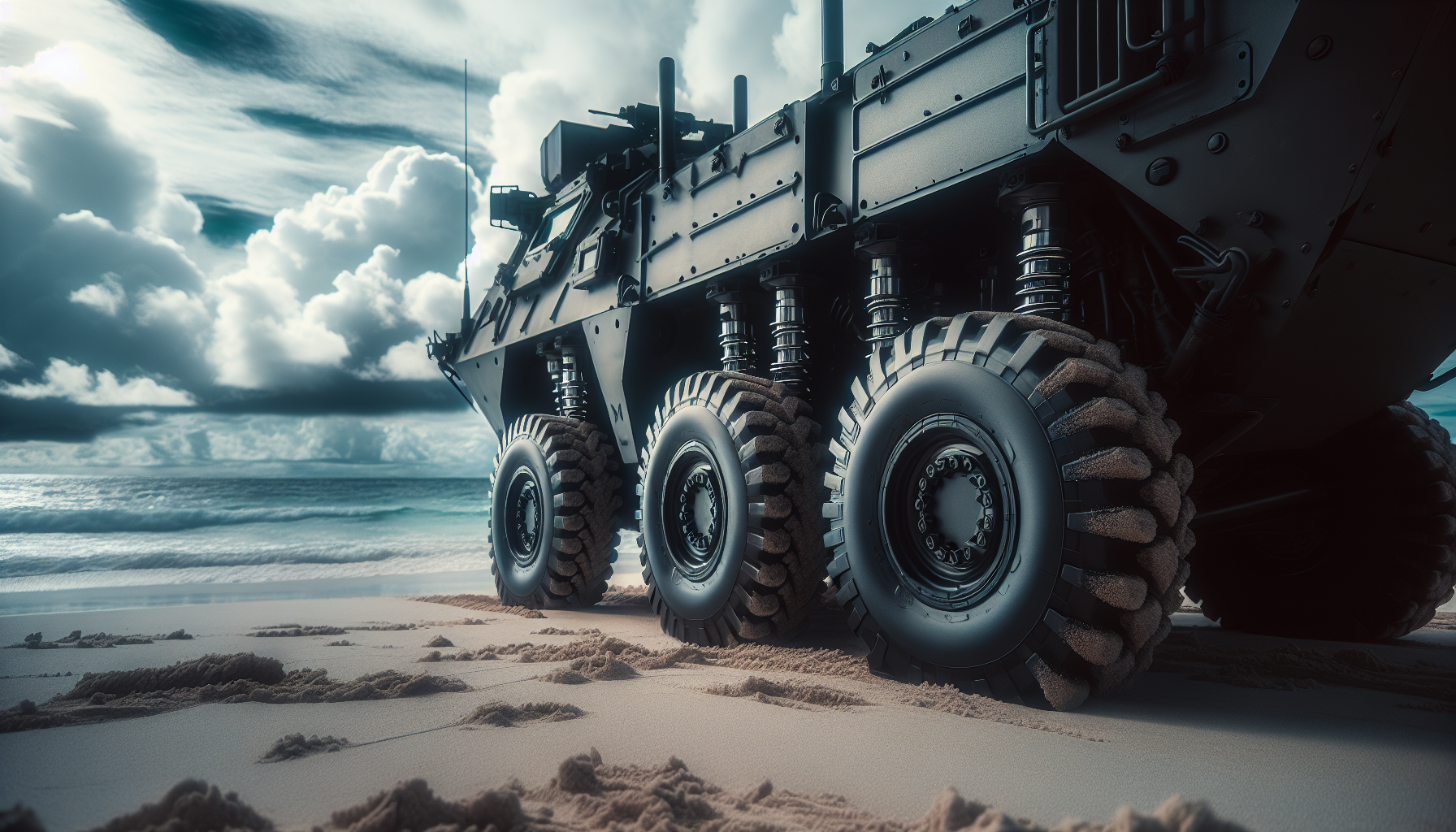
Less than two years after the operational debut of the Amphibious Combat Vehicle (ACV) overseas, the U.S. Marine Corps is turning its focus toward an urgent upgrade: replacing corroding struts across its fleet. The ACV, weighing in at a robust 35 tons, serves as a vital component in the Corps’ amphibious operations, effectively transporting up to 16 Marines (including its three-person crew) from ship to shore.
The Rise of the Amphibious Combat Vehicle
Since the first vehicles began arriving in 2020, the ACV has established itself as a crucial asset for the Marine Corps. Designed for diverse environments, it has performed effectively across a range of missions, yet it has also faced its share of challenges. These include several incidents of non-fatal surf rollovers and technical malfunctions attributed largely to training shortfalls. As the vehicles are routinely exposed to the corrosive elements of the ocean and brackish environments, strut corrosion has emerged as a significant issue.
Addressing Strut Corrosion
Recently, the Corps announced plans to retrofit the ACV with alternative suspension struts due to the impact of ocean corrosion and extensive operational use. In a notice released last month, officials specified that this will be a fleet-wide upgrade. While a spokesperson for the Marine Corps asserted that safety is not a concern regarding the strut issues, they emphasized the need to enhance operational reliability. The service expects to require over 5,000 replacement struts over two-and-a-half years beginning in fiscal 2026.
Environmental Challenges
David Jordan, a spokesperson with the Corps’ program executive office for land systems, noted that the ACV faces an exceptionally corrosive environment due to its operational demands. “The high deployment schedule combined with the high training tempo creates an extremely corrosive environment for the ACV not typically experienced by other vehicles,” he explained. This results in exterior components, including the struts, needing more frequent maintenance and replacement.
Historical Context and Development
The ACV was introduced as a replacement for the Assault Amphibious Vehicle (AAV), which had a storied but troubled history spanning over 50 years. The AAV faced tragic scrutiny following a 2020 incident where eight Marines and a sailor were killed during a training exercise. In contrast, the ACV was intended to provide enhanced safety and operational effectiveness, though it faced early challenges that prompted the Corps to reevaluate its training and operational protocols.
Diverse Roles and Future Prospects
The Marine Corps’ ACV lineup is versatile, comprising personnel carriers, communication variants, recovery vehicles, and models equipped with a 30-millimeter cannon. In 2023, Lockheed Martin Skunk Works conducted tests on an ACV capable of deploying small uncrewed aerial systems. The service aims to field about 400 personnel carriers—representing the bulk of the ACV fleet—with roughly half of the approved acquisition goal already met.
Financial and Logistical Considerations
Years of congressional stop-gap measures have hindered the Marine Corps’ ability to acquire ACVs in bulk, resulting in significant costs—such as an additional $17.7 million due to fluctuating foreign exchange rates. The Corps received $241 million in last year’s budget under the One Big Beautiful Bill Act for its amphibious vehicles, underscoring the ongoing investment in modernizing its capabilities.
Continuous Improvement and User Feedback
Jordan emphasized that the program office is committed to monitoring fleet operations closely and continuously seeking ways to address issues like corrosion. User feedback has identified strut replacement as a key factor in enhancing readiness and operational availability. As the Corps prepares for the future, they’re not only looking for innovative solutions to current challenges but also working on alternatives that could offer better performance at lower costs.
Bad News or Good News?
While the presence of corrosive struts may seem concerning, the Marine Corps views this situation as an opportunity for improvement. The initiative to transition to more reliable and cost-effective struts is positioned as a forward-thinking solution that aligns with broader efforts to enhance operational readiness. As the ACV evolves and adapts to the rigors of military operations, its continuing development illustrates the Marine Corps’ commitment to maintaining a state-of-the-art amphibious fleet.