


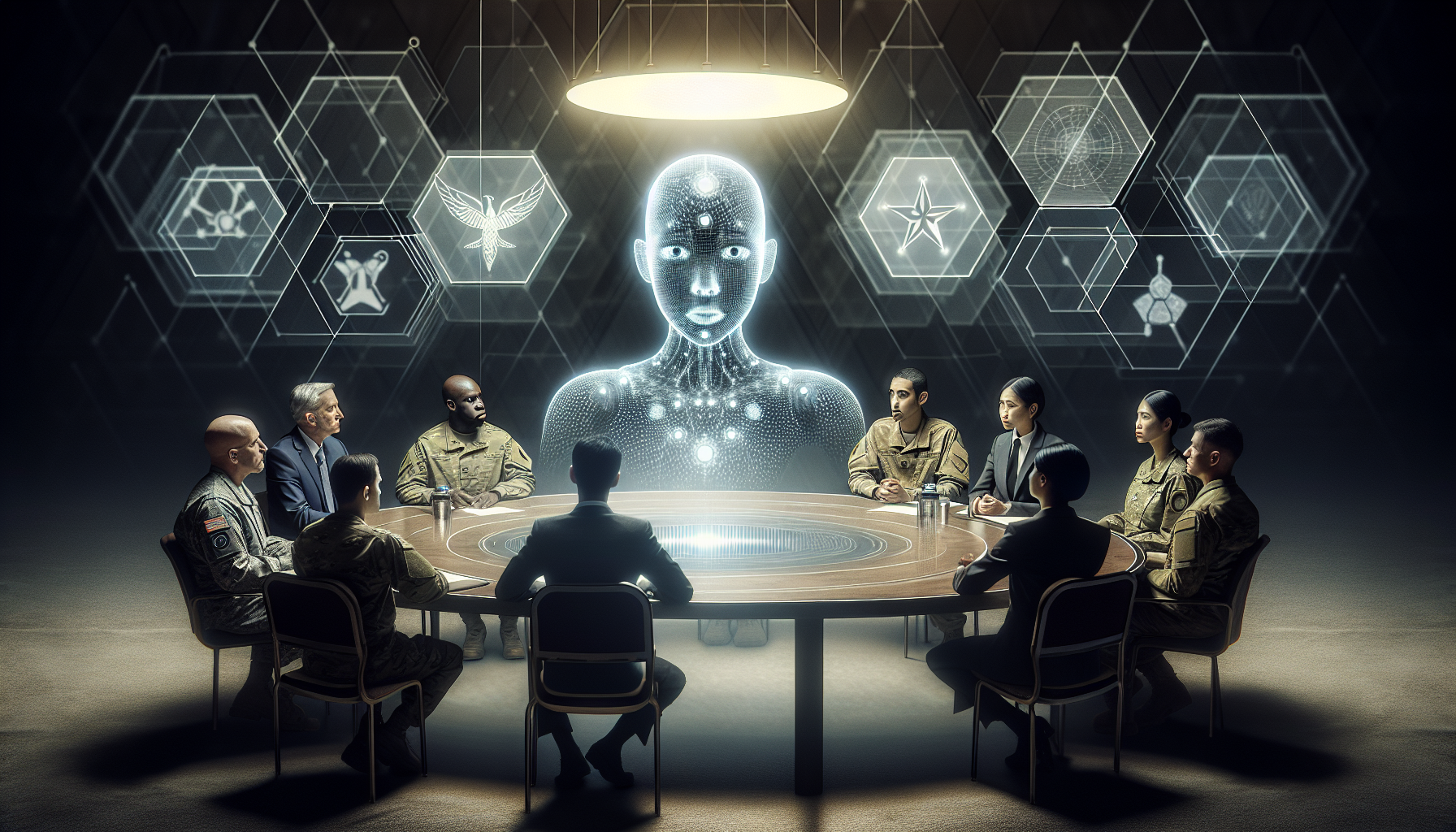
The Pentagon’s Approach to AI Adoption: Balancing Innovation with Ethics
The Pentagon is charting a careful course in its rapid adoption of frontier artificial intelligence (AI), particularly in military operations. Undersecretary of Defense for Research and Engineering Emil Michael made it clear that while the military aims to leverage cutting-edge AI technologies, it will not allow technology providers to set operational rules. This commitment to governance and legality was emphasized during a conversation with DefenseScoop amidst tensions with Anthropic, a company at the forefront of AI development.
Navigating Ethical Boundaries in Military AI
The statement from Michael arises against the backdrop of ongoing disputes between the Pentagon and Anthropic regarding the use of the company’s Claude AI model in military applications. Michael underlined a key principle: while the military seeks to harness AI for security and defense, it will not compromise on ethical boundaries. “We want guardrails tuned for military applications,” he asserted, noting the necessity first to comply with existing laws. This stance ensures that companies cannot dictate limits that could curtail the Pentagon’s operational capabilities.
The Tri-fold Framework of AI Usage
In his discussions, Michael outlined a tri-partite structure for the Pentagon’s AI ambitions, dividing use cases into:
-
Corporate Enterprise Efficiency: Enhancing operational efficiency across the Department of Defense (DOD) in a manner akin to other large organizations.
-
Intelligence Processing: Using AI to sift through vast amounts of data, enabling human analysts to act upon insights derived from previously unmanageable datasets.
-
Warfighting Applications: Enhancing modeling and simulation capabilities to address operational needs rapidly and efficiently.
This comprehensive framework highlights the multifaceted potential of AI in both administrative and combat operations.
GenAI.mil: A Leap Toward AI Integration
The rollout of GenAI.mil, which aims to provide over three million military members and contractors access to advanced AI tools, represents a significant move toward integrating AI into defense. This initiative, which involves partnerships with companies like Google and Anthropic, is designed to democratize access to sophisticated AI capabilities that were previously confined due to bureaucratic hurdles.
Tensions Over AI Ethics and Surveillance
The friction between the Pentagon and Anthropic centers on the ethical implications of deploying AI in military surveillance and autonomous weapon systems. As Michael expressed, the DOD wants the latitude to apply AI technologies legally, free from vendor-imposed restrictions. The Pentagon argues that it must adhere to laws crafted through democratic processes, thus rejecting any single company’s attempt to impose additional regulations.
Addressing Concerns About Military Operations
As part of ongoing discussions, Michael highlighted the importance of clarity and communication around the use of AI technologies in sensitive operations. He acknowledged the complexities involved in deploying AI within the military, particularly concerning unforeseen risks. “What exactly are you trying to do? And can we have a conversation about how to help you do that safely?” This mindset emphasizes collaboration while ensuring that ethical considerations remain a priority.
The Stakes in AI Development
The stakes couldn’t be higher as the Pentagon navigates its relationship with AI developers. The DOD’s potential decision to classify Anthropic as a supply chain risk reflects the serious implications of this discord. Such a step could severely impact the company’s business model, particularly in the context of ongoing global AI competition.
Moving Forward with Caution
In his conversations, Michael expressed optimism that a resolution could be reached, bringing together the DOD and leading AI firms. The overarching goal remains clear: to utilize AI to improve both operational efficiency and the safety of military personnel, without sacrificing ethical standards established by existing laws.
As these discussions unfold, an essential theme emerges: the military’s resolve to incorporate advanced technologies must be balanced with a commitment to oversight, compliance, and ethical considerations. The collaboration between the Pentagon and AI companies is not just about technology; it embodies a broader dialogue on governance and responsibility in an era of rapid technological advancement.
In conclusion, the unfolding dynamics between the Pentagon and AI providers represent a pivotal moment in defense innovation, as both parties grapple with the implications of integrating frontier technologies into national security frameworks.