


Russia’s Military Escalation in Ukraine: A Night of Destruction
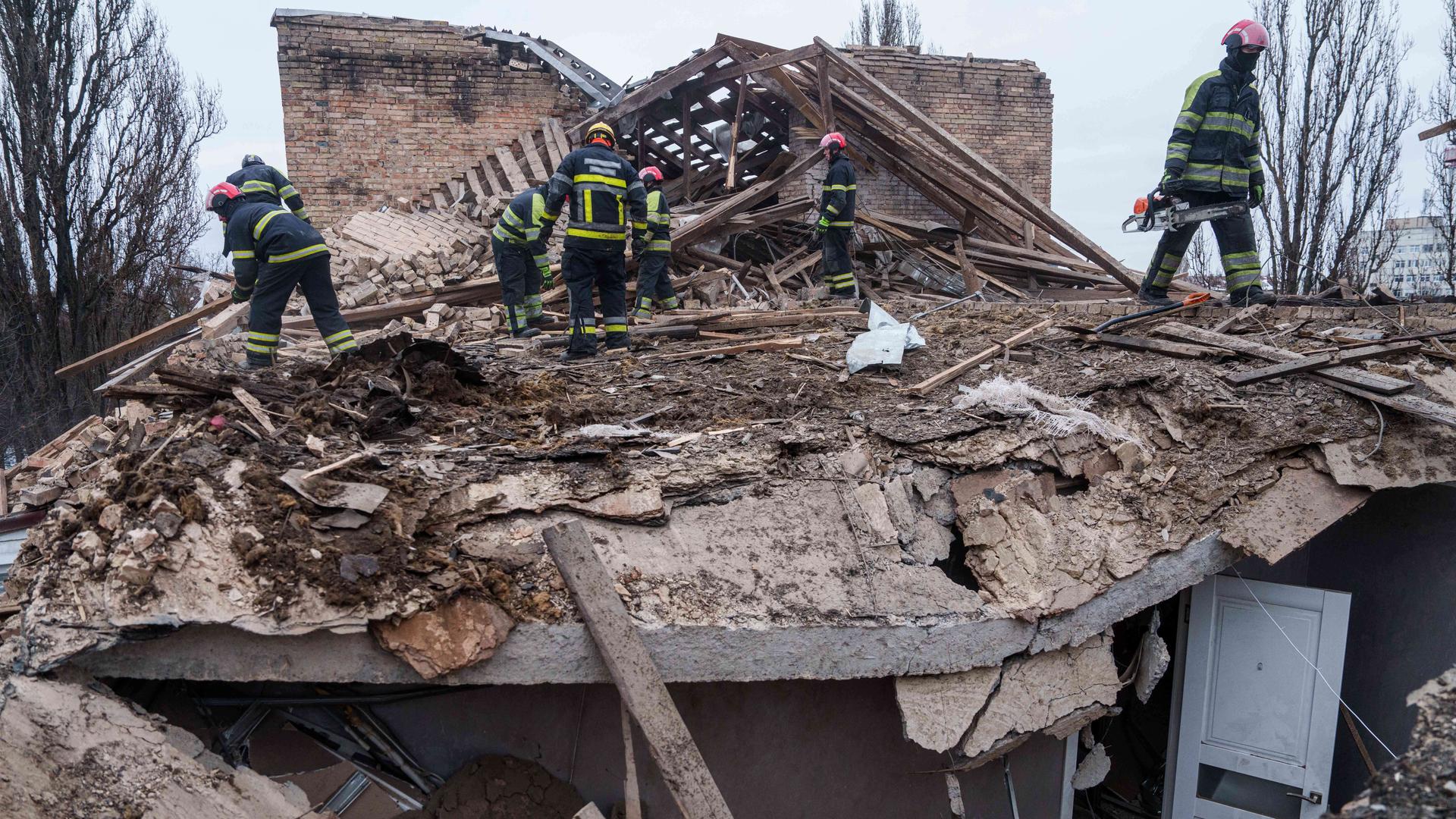
In the latest wave of aggression, Ukraine faced a brutal assault from Russia, with President Volodymyr Zelenskyy reporting that nearly 500 drones and 40 missiles were launched overnight. The consequences were dire, with dozens injured and one tragic fatality amid the chaos.
Zelenskyy emphasized that the primary target of these attacks was the capital, Kyiv, highlighting the assault on energy facilities and civilian infrastructure. In a heartbreaking update shared on X, he noted that ordinary residential buildings had sustained significant damage. “Regrettably, there have been hits,” he remarked, drawing attention to the human cost of these strikes.
Impact on Civilians
The toll on civilians was immediate and severe. One individual was reported trapped under the rubble of a damaged building, while many residents were left without electricity and heat as emergency services scrambled to respond. By Saturday morning, outages were reported in several districts, further compounding the suffering of those caught in the crossfire.
Tymur Tkachenko, head of the Kyiv City Military Administration, confirmed the grim details on Telegram, noting that one person had died and about 30 others were injured, including two children. Interior Minister Ihor Klymenko added that over ten residential buildings were impacted, illustrating the indiscriminate nature of the attacks.
Targeting of Energy Infrastructure
As the assault unfolded, the Ukrainian state grid operator, Ukrenergo, reported that multiple energy facilities had been struck. In response, emergency power cuts were enforced across Kyiv, cutting off electricity to approximately 600,000 households in and around the capital. Prime Minister Yulia Svyrydenko confirmed these power outages, a direct consequence of Russia’s relentless bombardment aimed at crippling Ukraine’s energy infrastructure.
In a statement, the Russian Defense Ministry confirmed a “massive strike” utilizing long-range precision-guided weapons, including Kinzhal hypersonic missiles and drones. Despite significant civilian damage, they claimed that their primary focus was to target energy infrastructure utilized by the Ukrainian military. This justification has drawn widespread criticism and skepticism, given the evident human impact of the attacks.
Political Developments Amidst the Violence
These events unfolded on the eve of a highly anticipated meeting between President Zelenskyy and U.S. President Donald Trump, aimed at discussing possible resolutions to the ongoing conflict. Just prior to this meeting, Zelenskyy spoke with Canadian Prime Minister Mark Carney, underlining the international dimensions of the crisis.
Zelenskyy shared insights about a nearly finalized 20-point document intended to secure a peace deal, asserting it was 90% complete. He emphasized the importance of U.S. security guarantees in this process. The outcome of his discussions with Trump, he believed, could significantly influence the path forward.
In an interview with Politico, Trump expressed a cautious optimism about the meeting, although he noted that Zelenskyy “doesn’t have anything until I approve it.” Despite this caveat, Trump remained hopeful, suggesting that the dialogue could lead to constructive outcomes for both Ukraine and Russia.
Russia’s Response to International Proposals
Amidst the military conflict, Zelenskyy raised pointed questions regarding Russia’s responsiveness to international proposals aimed at ending the war. He criticized the Kremlin’s tactics, which he perceived as an unwillingness to seek peace. “Kinzhals and ‘shaheds’ speak for them,” he remarked, highlighting the harsh reality that military action continues to define Russia’s stance, reflecting a strategy that neither prioritizes nor facilitates discussions for a peaceful resolution.
With the situation evolving rapidly, the implications of the ongoing conflict remain profound, not only for Ukraine but for global geopolitics as well. As discussions unfold among international leaders, the sustainability of Ukraine’s defense against such heightened aggression will be crucial in determining future outcomes.