


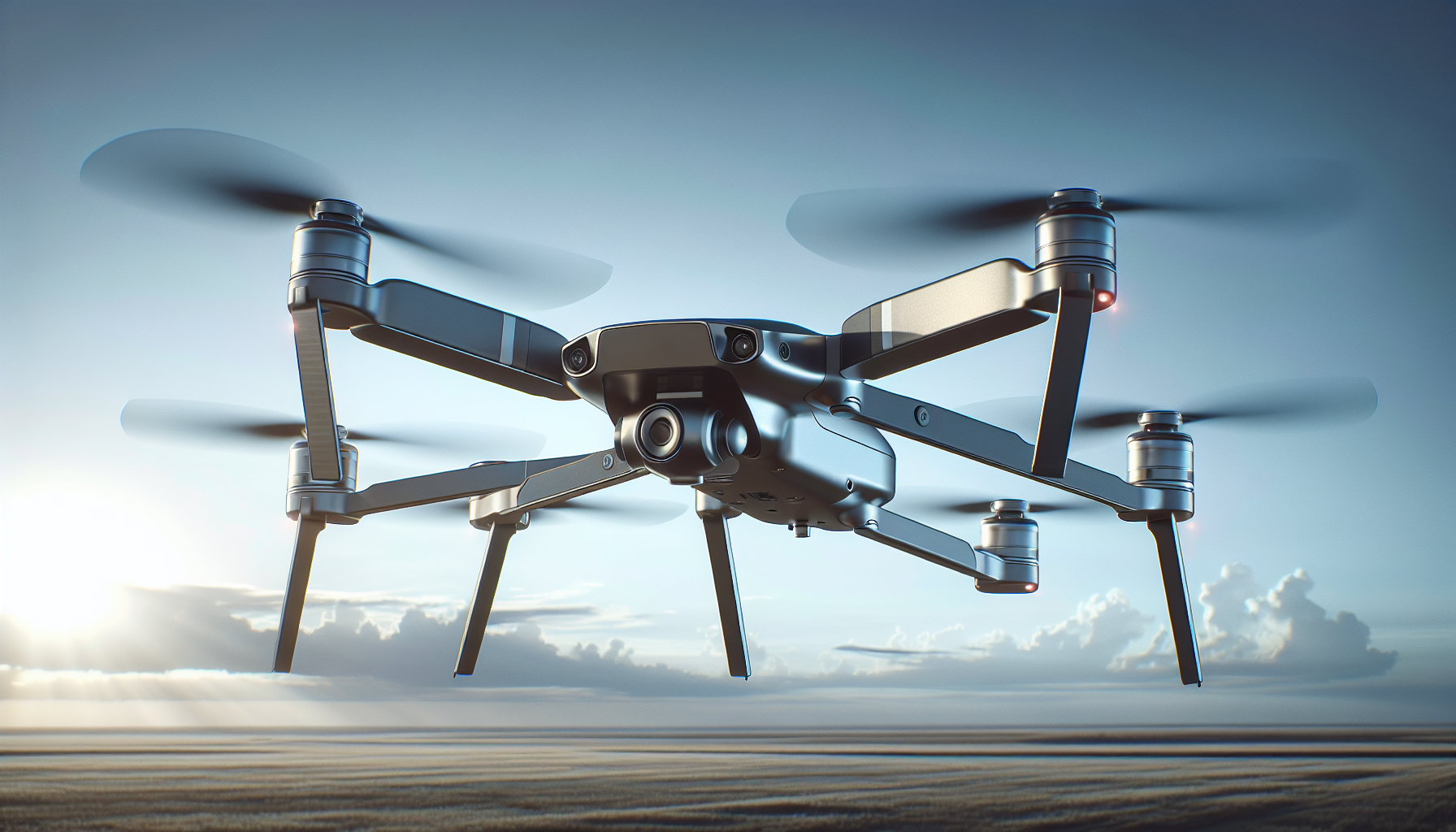
Ukrainian Military Tests Dual-Control FPV Drone Using Fiber Optic and Radio
In recent developments from the frontlines of Ukraine’s ongoing conflict, the military has successfully tested an innovative first-person view (FPV) drone that operates with dual control systems—fiber optic and radio. This groundbreaking advancement showcases the country’s commitment to leveraging cutting-edge technology in aerial reconnaissance and combat support.
Background of FPV Drones
FPV drones are increasingly becoming crucial tools in modern warfare, providing real-time surveillance and intelligence to military forces. By offering pilots an immersive flight experience, these drones enhance situational awareness on the battlefield, allowing for timely and strategic decisions. The combination of video feeds and precision navigation allows military operators to assess enemy positions and execute tactical maneuvers effectively.
The Dual-Control Mechanism
What sets the newly tested drone apart is its dual-control capability. In scenarios where one communication channel fails—be it the radio link or the fiber optic connection—the other remains functional. This redundancy not only increases the reliability of drone operations but also enhances mission success rates in contested environments. The fiber optic link offers rapid data transmission with high bandwidth, making it ideal for streaming high-definition video, while the radio link provides a fallback option that maintains control over the aircraft.
Design and Specifications
The drone, named “General Cherry,” is designed by a Ukrainian tech firm specializing in military applications. Its sleek design minimizes radar cross-section, making it less detectable by enemy forces. Equipped with high-resolution cameras and advanced sensors, it can operate in various weather conditions and times of day. The dual-control system is a significant upgrade, with the integration of sophisticated algorithms that facilitate seamless switching between the two control methods, ensuring uninterrupted operations.
Operational Advantages
-
Enhanced Control: The dual-control system allows operators to maintain control even in unpredictable situations, which is paramount for missions that require high precision and reliability.
-
Improved Survival Rates: The ability to switch to a backup control system decreases the risk of losing the drone due to communication failures—an essential factor in combat zones.
-
Versatility: The drone’s design supports a range of military applications, from reconnaissance missions to direct combat, showcasing its adaptability in varied operational settings.
-
Data Security: Utilizing fiber optics for data transmission can provide a level of security against electronic warfare tactics aimed at disrupting communications.
Strategic Implications
The introduction of such advanced drones highlights Ukraine’s commitment to modernizing its military capabilities in response to ongoing threats. As the war evolves, the necessity for advanced surveillance and combat support systems becomes increasingly critical. This innovation not only enhances Ukraine’s tactical advantage but also signals to adversaries that the nation is enhancing its military technology and strategic competencies.
Feedback from Military Personnel
Military personnel who have participated in the drone’s testing have expressed optimism about its potential impact. With positive feedback regarding the drone’s ease of use and reliability, enthusiasm surrounds its deployment in strategic missions. The integration of advanced technology into military operations serves as a force multiplier, enabling troops on the ground to execute their objectives with greater efficacy.
Future Developments
As advancements in drone technology continue, there is anticipation surrounding further enhancements in capabilities and features. Future iterations of the FPV drone may integrate artificial intelligence and machine learning to improve autonomous flight and operation, paving the way for more sophisticated applications in reconnaissance and combat support.
Conclusion
Ultimately, the testing of the dual-control FPV drone marks a significant milestone in the evolution of unmanned aerial systems within the Ukrainian military framework. By embracing technology that adapts to modern warfare demands, the military is not only enhancing its operational capabilities but also reinforcing its determination to remain resilient in the face of adversity. The journey of this innovative drone is just beginning, and its impact on the battlefield may reshape tactical engagements for the foreseeable future.